An experiment seven years in the making has uncovered new insights into the nature of consciousness and challenges two prominent, competing scientific theories: Integrated Information Theory (IIT) and Global Neuronal Workspace Theory (GNWT).
IIT suggests that consciousness emerges when information inside a system (like the brain) is highly connected
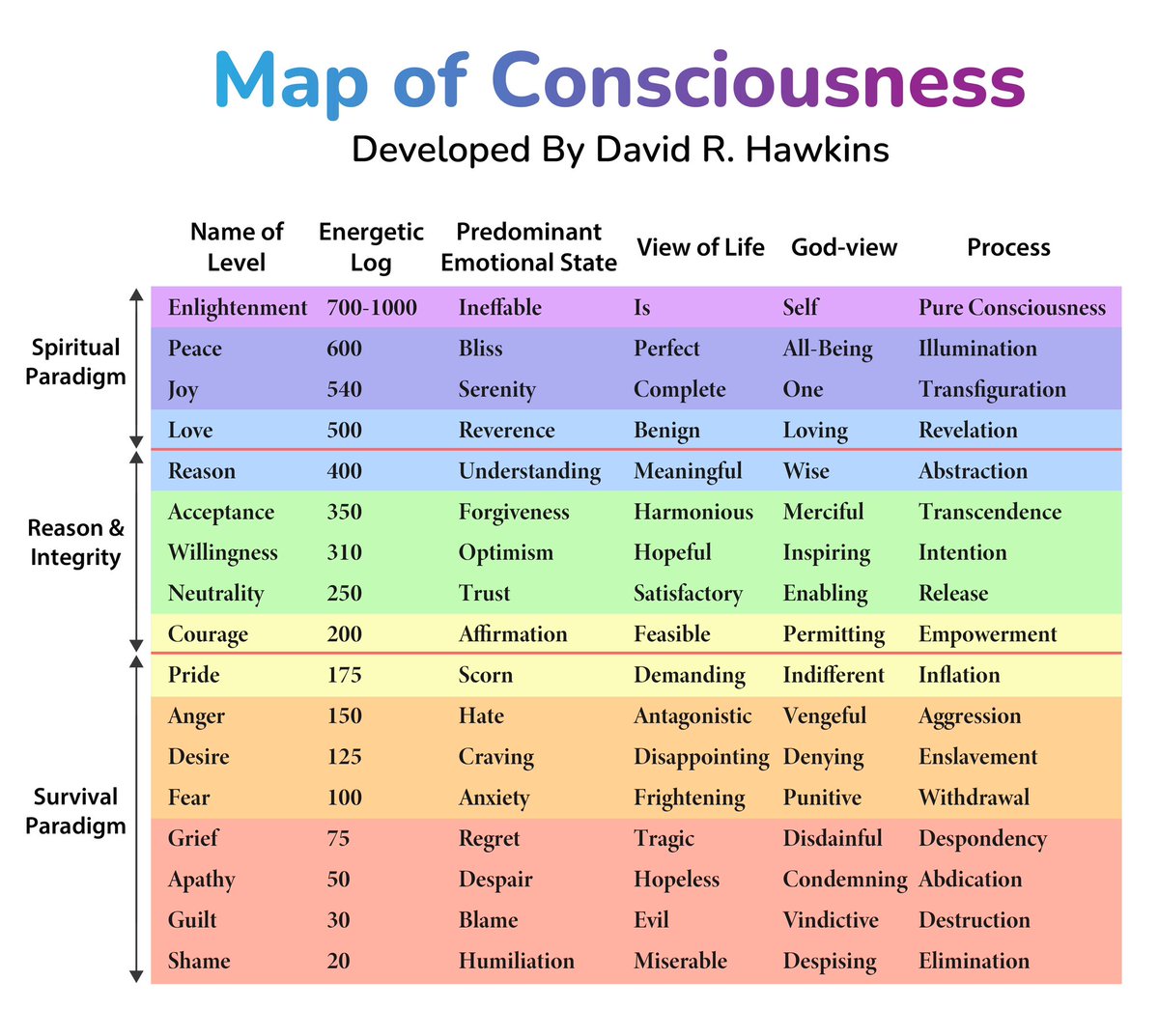
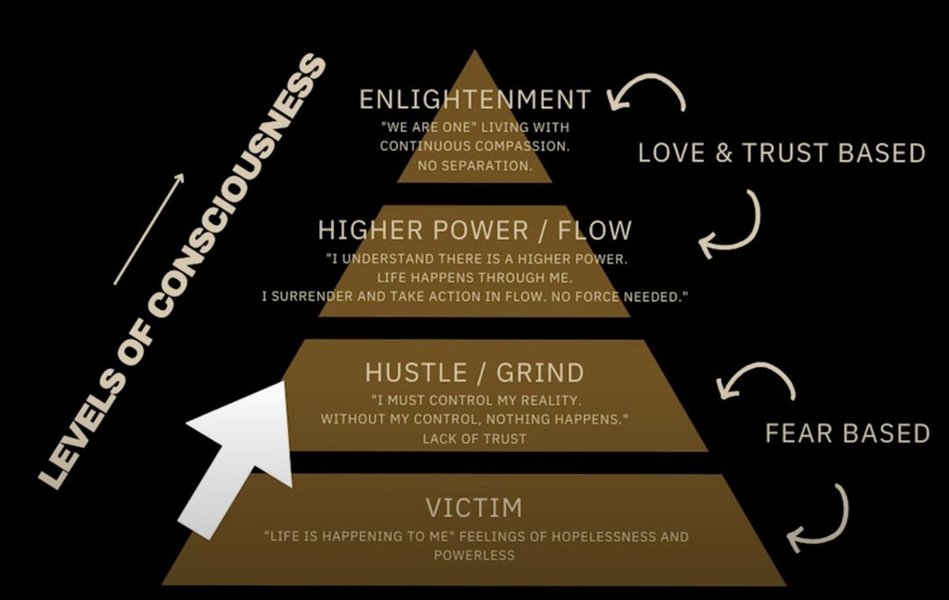
Eastern philosophies and yogic systems have developed incredibly sophisticated, broad-spectrum models of consciousness. Western science, on the other hand, has managed to construct an edifice of physics and neuroscience while thinking in 15-30 Hz that pretty much exclusively describes phenomena we experience in 15-30 Hz, relegating everything else... See more
“ Consciousness is what is like to be you. It is the set of experiences, emotions, sensations, and thoughts that occupy your day, at the center of which is always you, the experiencer. You lose consciousness when you go under anesthesia and when in a dreamless sleep, and you gain consciousness when you wake up in the morning or come up from... See more
The first citation given concerns the “uniqueness problem,” which emphasizes a result long known by those of us who worked on IIT: that in systems that have mathematically perfectly symmetric interactions (the specifics are complicated, but just imagine this like a geometric shape), IIT gives conflicting answers as to the boundaries of the... See more
A popular narrative now casts all living entities as ‘machines’ built by genes, as Richard Dawkins called them. For Mayr, biology was unique among the sciences precisely because its objects of study possessed a program that encoded apparent purpose, design and agency into what they do. On this view, agency doesn’t actually manifest in the moment of... See more