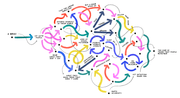
START, EVERY TIME, WITH THIS INVIOLABLE RULE: THE SCENE MUST BE DRAMATIC. it must start because the hero HAS A PROBLEM, AND IT MUST CULMINATE WITH THE HERO FINDING HIM OR HERSELF EITHER THWARTED OR EDUCATED THAT ANOTHER WAY EXISTS
If you read Influence by Robert Cialdini, what you realize is that many things are successfully sold by opposites. Everybody has one of these, so it must be good. Or: not many people have one of these, so it must be good. You can achieve the same emotional effect with opposite messages. There are two great ways to check into a hotel. One of them is... See more
A talented person can quickly become mediocre when you force them to be someone they aren’t.
Almost everything that is meaningful, beautiful, life-affirming, empowering, transformational, true—it can’t be reached by shortcuts. But what we can do is make the longcuts walkable, put out footbridges and stairs, and a table where the ocean comes into view.
We're all technological beings now; it's ingrained into the way we operate. It's almost an extension of our body. And we already know how we want to shape that technology. We just need to be better supported to do so.
I think of scenes as very loose organizations of people associated with the creative process with a very loose but omnipotent hierarchy that can sometimes change from minute to minute.1
The thing that makes people most uncomfortable about scenes socially, is how they subject everyone involved to think about their social standing. I’ve got bad news... See more