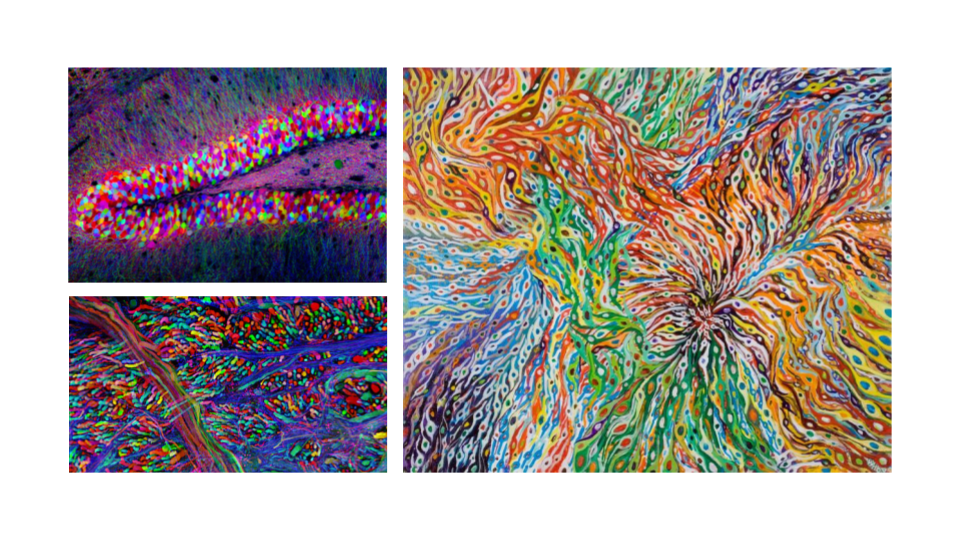
neural pathways we don’t use die off over time. What makes our brains hold on to these pathways — and create more — is not simply repeating the same things we’ve learned over and over again, but continually taking on difficult problems.
Learned helplessness, the failure to escape shock induced by uncontrollable aversive events, was discovered half a century ago. Seligman and Maier (1967) theorized that animals learned that outcomes were independent of their responses—that nothing they did mattered – and that this learning undermined trying to escape. The mechanism of learned... See more
your emotional experiences feel like they are the truth of the world around you, when in reality the culture we live in shapes your emotions...and your emotions serve as a lens for interpreting the world around you.
Scientists have demonstrated that, as the years go by, much of what we think we remember is false. It seems our brains can't store every detail we experience, so we recall the gist of events — enough to create a story that makes sense to us. Every time we recall a story or tell it to others, we change small bits depending on whether our audience... See more