She explains that a young man had once fallen passionately in love with the statue and managed to get locked in with her all night; and that the little stain is the only surviving trace of his lust. The heterosexual and the homosexual both gleefully claim that this proves their point (the one observing that even a woman in stone could arouse... See more
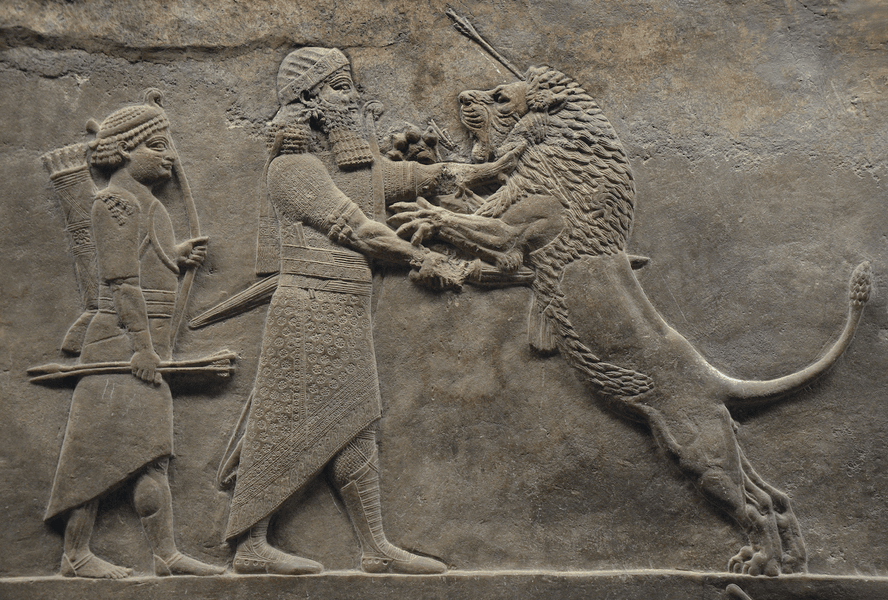
Esarhaddon selected Ashurbanipal as heir c. 673. The selection of Ashurbanipal bypassed the elder son Shamash-shum-ukin. Perhaps in order to avoid future rivalry, Esarhaddon designated Shamash-shum-ukin as the heir to Babylonia. The two brothers jointly acceded to their respective thrones after Esarhaddon's death in 669, though Shamash-shum-ukin... See more
For a millennium, rivalries between and among Byzantine noble families propelled public life, with the kind of bloody factional maneuvering that makes the Tudors look like the Waltons in comparison.
Though political power was usually a male privilege in Byzantium, a striking feature of the Byzantine tales is the prominence of women as political... See more
You must go down into the world of mortals like a ray of light, like a shower of refreshing rain; you must illuminate it like Apollo, shake it to its depths and give it a new life like Zeus, otherwise you are not worthy of your heaven.
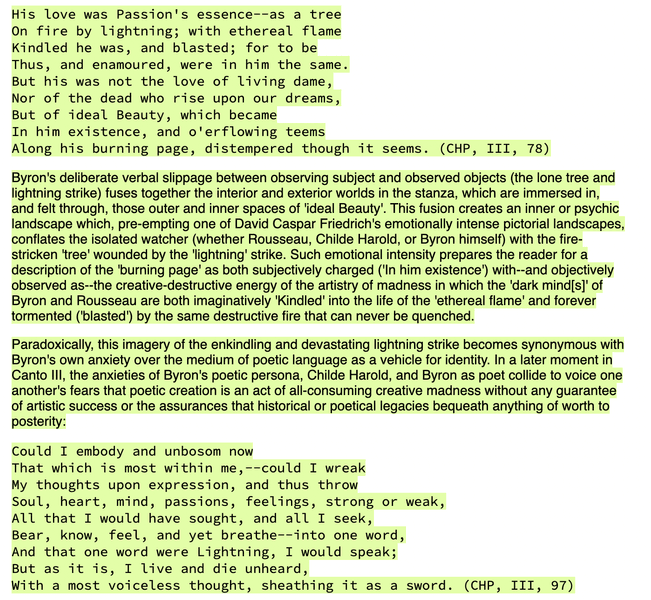
According to Goethe, Byron’s poetical power eclipsed all other mortals, and he was not held back by petty morality, being possessed of a virtue of which the bourgeoisie had no conception.