on taste
Taste requires experiencing the creation in its entirety and evaluating one’s own authentic emotional response to it, parsing its effect. (Taste is not passive; it requires effort.)
Kyle Chayka • Filterworld
Taste bridges personal choice (identity), societal standards (culture), and the pursuit of validation (attention).
Anu Atluru • Taste Is Eating Silicon Valley.
Developing taste is an exercise in vulnerability: it requires you to trust your instincts and preferences, even when they don’t align with current trends or the tastes of your peers. Because while having taste is cool, taste itself reflects a certain type of uncool earnestness – a commitment to one’s own obsessions and quirks.
Elizabeth Goodspeed on the Importance of Taste – And How to Acquire It
Taste is a vector for belonging — a path out of isolation and shame. Sharing what you’re reading, watching, and listening to brings the moths to the flame.
The Road to Belonging Is Paved With Taste (and T-shirts)
Taste is about discovery, having interest in things, and making a lot of mistakes. It’s about trying to find the authentic set of choices that both reflect your own background, but also the choices and discoveries that you have made consciously and deliberately. It's always changing and it's also always in reflection of what everyone else is doing... See more
Tahirah Hairston • RLT Interview #4: W. David Marx, Writer
Taste Is the New Intelligence
wildbarethoughts.com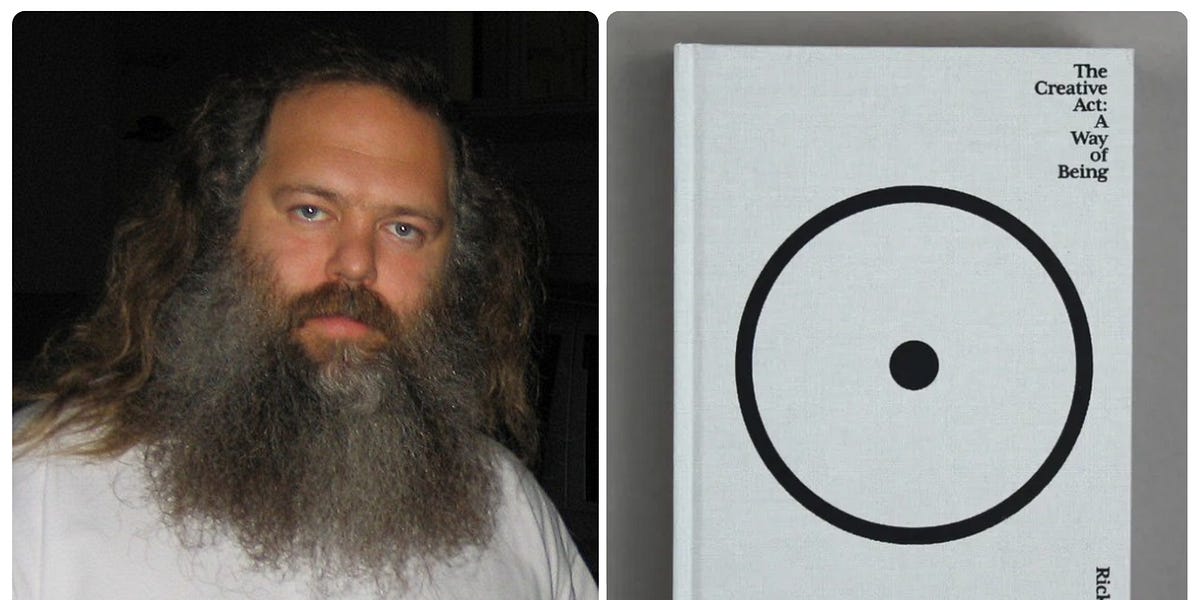
As we drown in AI-generated content, the person who can confidently say "this, not that" becomes invaluable when everyone else is paralysed by too many choices.
LinkedIn Login, Sign in | LinkedIn
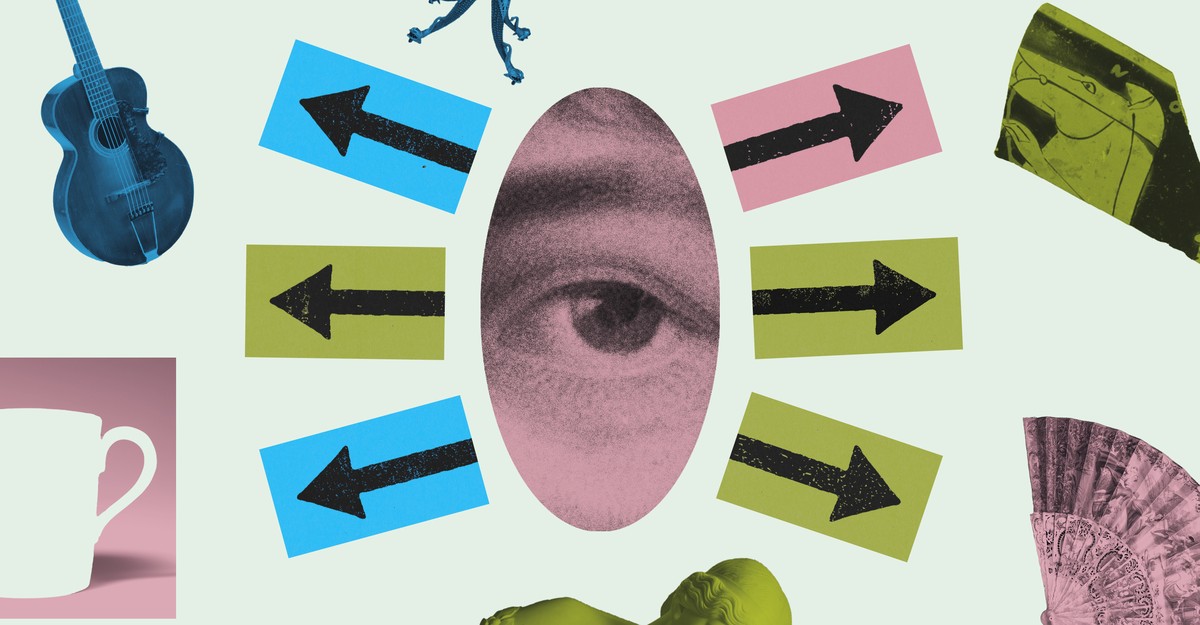
Taste isn't some mysterious gift bestowed at birth—it's simply what happens when you pay close attention to what moves you.