Governance & Ownership models
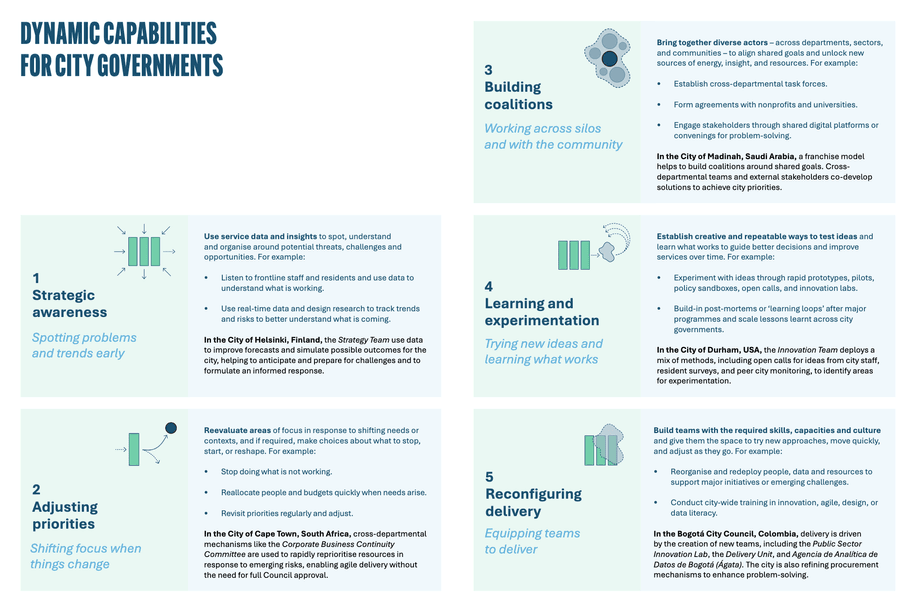
Permissioning based on precedents (like case law)
- Every space starts with basic template of rules which are iterated thereafter
- Everything is allowed (within legal limits) until something happens to change the rules
- Templates need to be updated regularly (time limited templates)
#1 User journey and scenario building—Day 2
Permissions are peer reviewed (e.g. permissioning group)
- Permissioning group performs the role of space stewards — responsible for maintaining permission templates, approving bespoke permissions
#1 User journey and scenario building—Day 2
according to commons scholar and activist Silke Helfrich, offer ways to both perceive and interact with Commons, which can be seen as:
- Collectively managed resources , both material and immaterial, which need protection and require a lot of knowledge and know-how.
1.2 What are P2P and the Commons, and how do they relate? - Commons Transition Primer
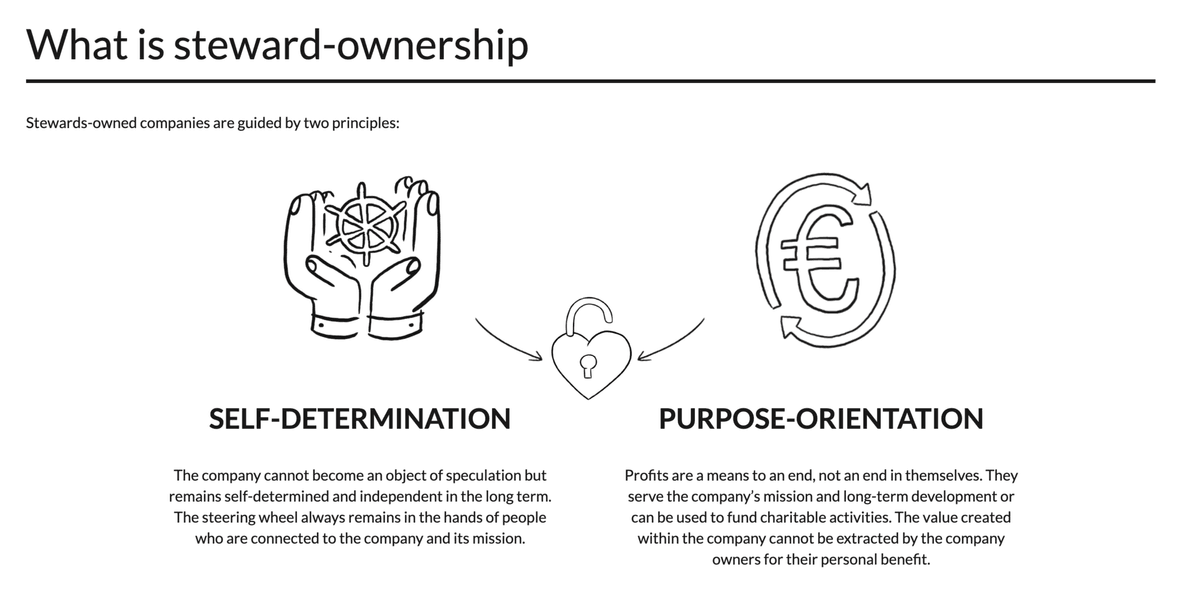
We created a mechanism where collaborators would agree on unforeseen liability holding by centring the wide-boundary mission, taking a multi-capital view, and considering each party's capacity to absorb risk
M2M_System_Field_Guide.pdf

Incentives
- Prioritise system level of risk and benefit sharing — to avoid rent seeking behaviours
- Prioritise generating system level of incentives/benefits (rather than personal/individual)
#1 User journey and scenario building—Day 2
Power and liability as inextricably linked: If you want to make decisions you need to share liability i.e. skin in the game
- Prioritise proximity to space and physical presence (linked to shared risk and liability)