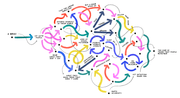
Milner, after keeping a diary and trying to pinpoint what experiences truly make her feel alive, realizes that she seems to pay two kinds of attention: “narrow attention” and “wide attention.” She describes them in a chapter called “Two Ways of Looking”:
(1) Narrow attention. – This first way of perceiving seemed to be the automatic one, the kind of... See more
If you don’t have any vocabulary for a medium, then the film or song or dish simply appears as a blur of impressions, it’s hard to draw lines and isolate the particular areas and causes of enjoyment. So, having a better vocabulary for a given medium doesn’t just make you sound smart, it increases the... See more
Creativity requires connecting the dots, and connecting the dots requires allowing time for my subconscious to consolidate my ideas and make associations. This means that, from time to time, I need to just stare out the window and do nothing.
Describe your ideal self—the qualities you’d most like to embody—in five words. Then, to find your shadow self, locate the opposing qualities of each one. The shadow self describes the parts of ourselves we most ardently reject and repress. I think my ideal self would be: insightful, generous, authentic, funny, discerning. That means my shadow self... See more
the phrase ‘sexual market value’ has entered the mainstream lexicon, fuelled by dating apps, manosphere influencers, and a broader awareness of self-qualification.” What was once niche language is now shaping how young people understand themselves — and each other.
Honesty is the best policy, but honesty that’s motivated by shame, anger, fear or hurt is not “honesty”. It’s shame, anger, fear or hurt disguised as honesty.