The most profound legacy of the dominance of bureaucratic forms of organization over the last two hundred years is that it has made this intuitive division between rational, technical means and the ultimately irrational ends to which they are put seem like common sense.
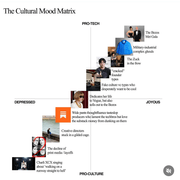
But now: Tech, phones, and social media create what David calls an “ever-ending now” (99%+ of what people consume is stuff produced in the last 24 hours)
Tech platforms can’t ask users to make an unlimited number of decisions, as it introduces too much complexity into the product. Companies will still have to draw hard lines around tricky issues, including hate speech and misinformation. And introducing choices won’t change the fact that, as in all software, most people will simply stick with the... See more
1. End users become data controllers. This is the most well-known decentralization aspect: we store our data in places of our choice, which improves privacy and control
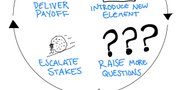
the easiest thing to do in a product is add a feature. People new to design tend to see the world of product as a set of features to build more than an experience to balance, and they rush to add things until they paint themselves in a corner with an encumbered experience that lacks a cohesive purpose. Balancing and integrating takes a lot more... See more