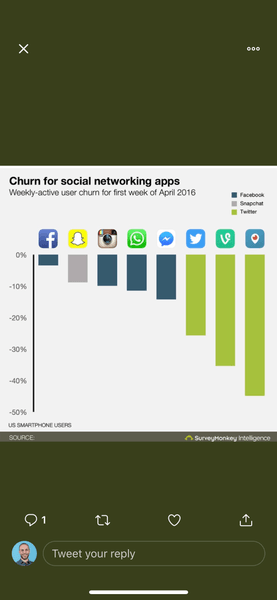
This sounds spectacularly self-centered: that you can only quit a thing, or modify your usage of it, when it fails to serve you. But if we think of our phones and social media as addictive products, which they certainly are, then the classic addiction model makes sense: you only consider quitting when the negative impacts (the dead feeling of the... See more
I was surrounded by peace nerds talking about inclusion and plurality, but I have to confess, sometimes the event didn’t feel very inclusive or plural. Speakers often talked with the unstated assumption that left-ish politics are obviously correct. At times I felt the uncomfortable dissonance of being around a group of people explicitly talking... See more
And there was something else to look at what urban planner William White calls triangulation. You don't have to directly engage with other people who are here. You can both be looking at the fire. You're having a nice time. You're warm, you're feeling good. And over the course of sitting for a while, there's opportunity to strike up a conversation... See more
In a sense, the most important decision for any group to make is how to allocate their attention. In any online discussion platform, a deliberative consensus protocol can be used to focus attention on the most informative conversation threads and on comments that stand up to scrutiny, thereby promoting deep, honest, informed, and intelligent... See more
We are living through the emergence of a new business category which I believe will become an important part of our digital lives: community-curated knowledge networks
(a thread on why) https://t.co/ZNg3FHiGUD