Labeling emotions: You can explore a difficult emotion that arises by giving it a name or label (fear, disappointment, stress, shame, and so forth). Gently repeat the name for the feeling when it comes up, noting what’s there in an objective manner. When you name an emotion, you stop avoiding it, but you also keep yourself from getting lost in it.... See more
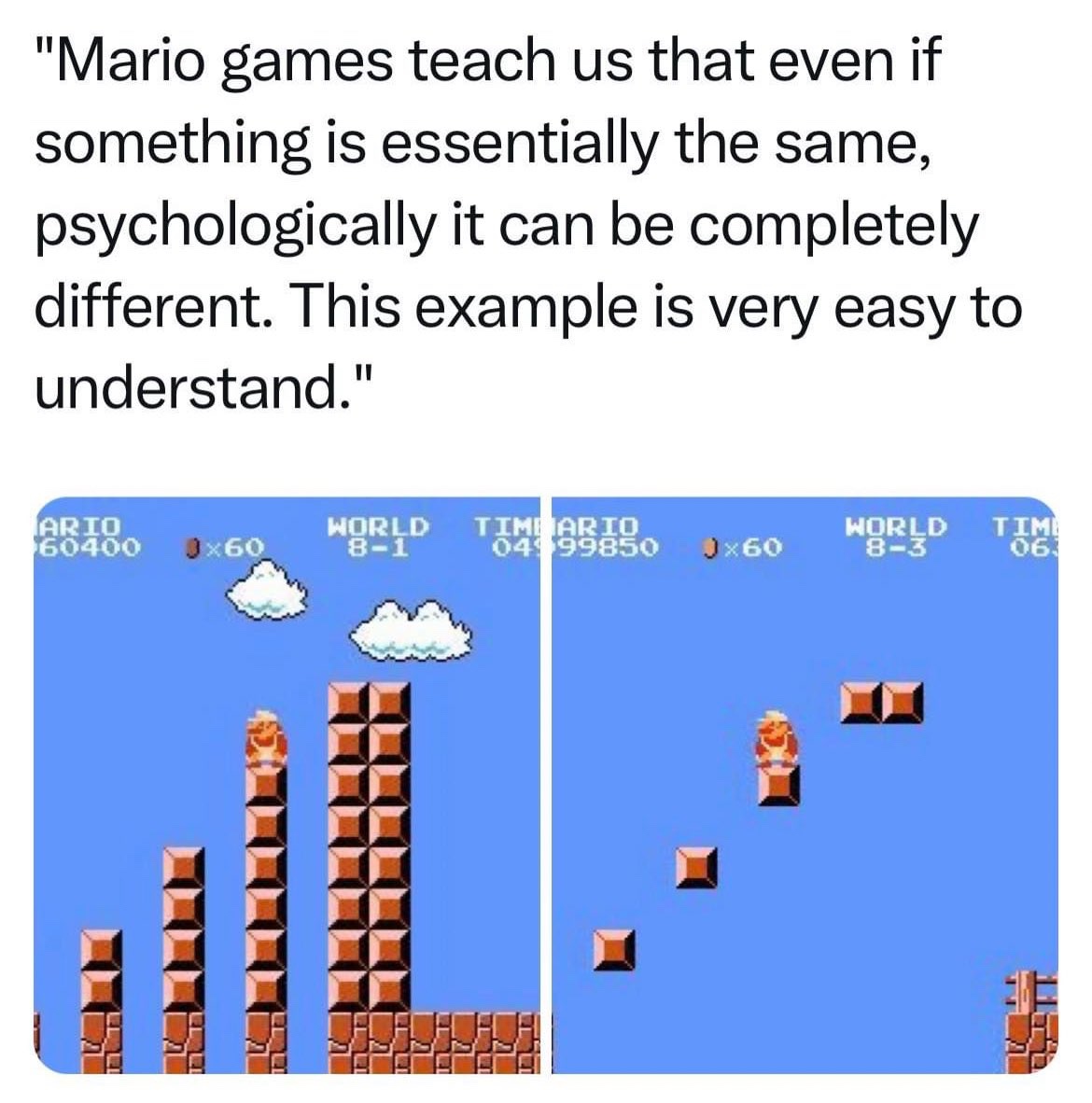
"You'll watch an entire Netflix series even when the first episodes are slow because someone told you "it gets better" - But what if you looked at your goals like that and watched your life get better instead?
"Don't wait to be successful at some future point. Have a successful relationship with the present moment and be fully present in whatever you are doing. That is success." - Eckhart Tolle
If you always make your success conditional on some future achievement, you will never feel successful.
Growing and learning along the way is success enough
Become aware of a situation related to your experience of burnout that’s generating difficult emotions—having too much work to do, getting too little sleep, dealing with a broken administrative system, and so on. Play out the situation in your mind’s eye—what’s happening and who is involved, if anyone.
Label any difficult emotions that are arising,... See more
Joan Halifax, a Buddhist meditation teacher and writer, says that when fear is powering our reactions, we typically adopt a hard front (the critical cynic) to hide a weak back (lack of confidence that we can survive). She proposes that we turn this around when things get difficult, aiming instead to cultivate a strong back but a soft front. Having... See more
A compassionate approach to dealing with difficult emotions
Soften–soothe–allow: A compassion-based process we call soften–soothe–allow can help you learn to make space for difficult emotions and even befriend them. While experiencing an emotion as a physical sensation, you orient toward it with softness and tenderness, relaxing the constriction in the body. You then soothe, comfort, and support yourself... See more
When we use a soft front and strong back to stay with the discomfort of difficult emotions, they tend to arise, do their little dance, then move on. We don’t have to be knocked down by them. We don’t have to shut down in a zombie-like state of burnout to avoid feeling them. By changing the way we relate to difficult emotions, we can get through... See more