Jessica Ryan
@jessicaryan
Piratical pioneer of experiences live on the Internet (circa 2013) // CEO Broadway Unlocked, your friendly theatre on the internet // Indefatigable advocate for arts
Jessica Ryan
@jessicaryan
Piratical pioneer of experiences live on the Internet (circa 2013) // CEO Broadway Unlocked, your friendly theatre on the internet // Indefatigable advocate for arts
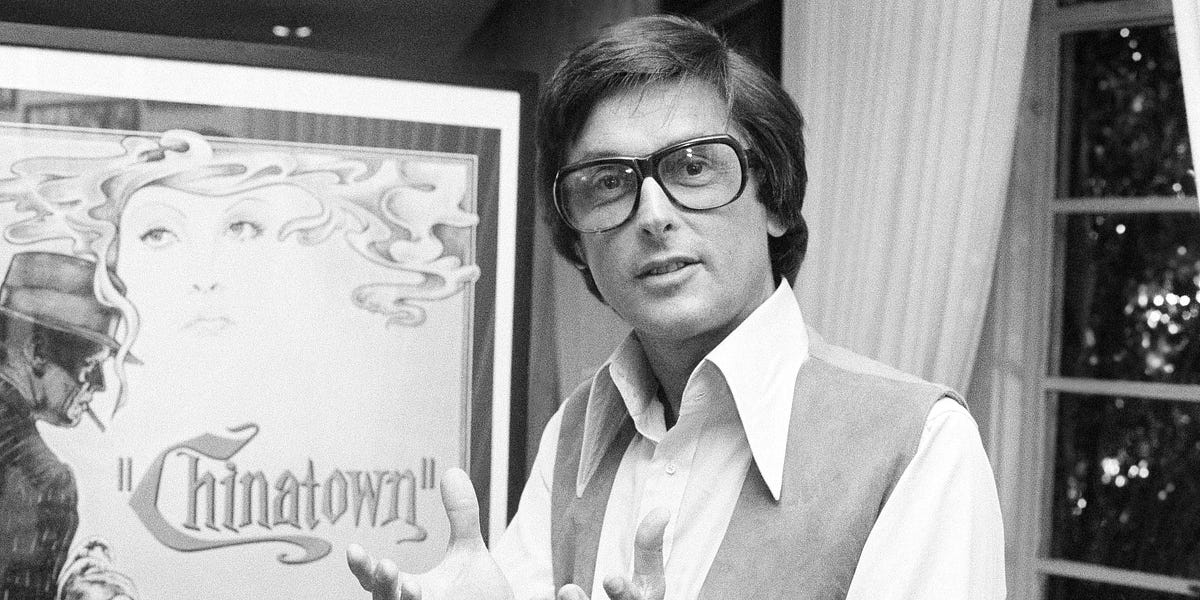
Hollywood used to be run by folks that understood that a successful film, or character, or auteur is more than first weekend box office revenue — it is the most valuable asset ever, that is built over time and lasts for decades. Bob Evans was driven by taste and instinct, and used capital to back people, repeatedly — Coppola, Polanski, Friedkin — not just “big IP”. He understood that cultural value compounds around unique voices in ways financial models can’t predict.


Broadway Unlocked and Live Digital
What was particularly fascinating, though, was that being in a live audience in the theatre (red line) led to higher highs and lower lows than watching in a small group (yellow line) in my lab. It was even more reduced when people watched the movie alone (brown line) in my lab. In fact, because of the scaling it looks like they flatlined but I can assure you, the peaks and troughs are present, they are simply greatly reduced in size.
Collective effervescence led to emotional enhancement, making the live performance with a big audience that much more impactful.