red
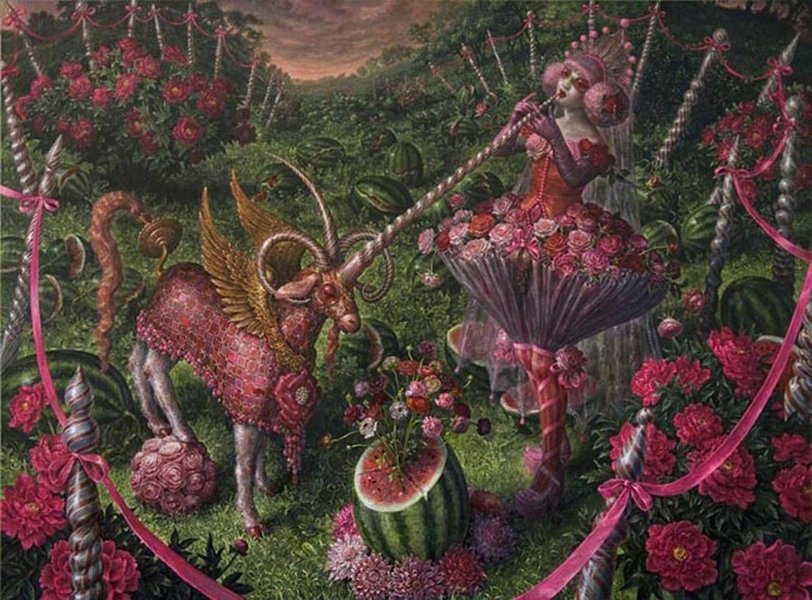
But whether it was used to describe the pale pink of a healthy nail bed or the dark brown of a dried scab, incarnadine remained a color that pointed toward the human body, that source of continual mystery, fascination, and speculation.
Article

Incarnadine
Pronounced /ɪnˈkɑːnədɪn/
This is a lovely word, with a fine flowing cadence, but it’s all too rare, surviving only in poetic or elevated writing. As an adjective, it refers to a blood-red or crimson colour; as a verb it means to render something that colour.
Pronounced /ɪnˈkɑːnədɪn/
This is a lovely word, with a fine flowing cadence, but it’s all too rare, surviving only in poetic or elevated writing. As an adjective, it refers to a blood-red or crimson colour; as a verb it means to render something that colour.
Incarnadine



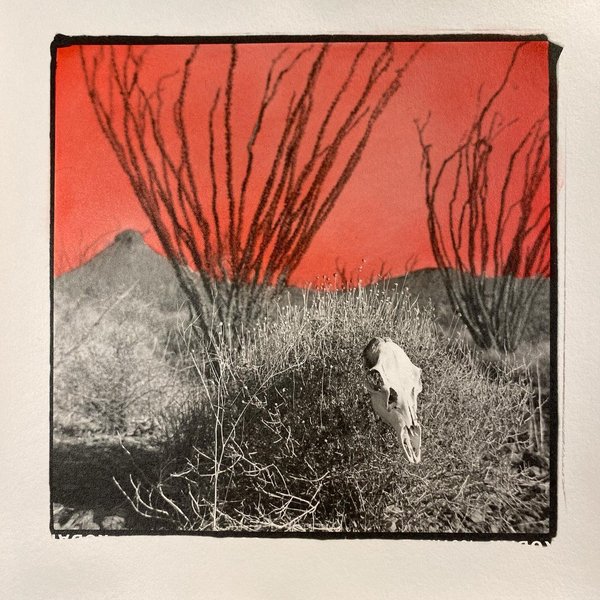
Centuries ago, that word was understood to mean pinkish or the “outer skin of some humans.” But over the years, incarnadine has deepened and darkened. Now, it’s the color of blood, our shared liquid, the hue of our shared humanity.