Information
Believe whatever you want. Just don’t use it to police others. Freedom means choice, not doctrine.
VC TheCasualCosmos
#fypシ゚viral #foryoupage #fyp #fyppppppppppppppppppppppp #magaisacult
instagram.comThird Cinema and the Global South
#film #globalsouth #thirdworld #cinema #glauberrocha
instagram.comRadiohead’s Secret Sauce for Film & TV
Lyrics that echo story
Songs like Fake Plastic Trees and A Wolf at the Door mirror themes on screen.
Word choices reinforce plot: “keeping the wolf from the door” aligns with Dexter’s barely-contained life.
Best uses are subtle, not literal; they deepen meaning without feeling gimmicky.
Slow-burn musical buildup
Tracks often delay drums and bass, creating long arcs of tension.
Exit Music (For a Film) blooms from voice and guitar into a crushing climax.
Directors sync these swells with reveals, twists, and emotional peaks.
Harmonic tricks (modal mixture, Picardy thirds) keep the tension unstable and gripping.
Mood as a character
Songs like Dex Dark or Pyramid Song act as emotional weather, not just background.
Mixed major/minor harmonies make scenes feel uneasy, haunted, or doomed.
Sparse intros give space for dialogue, then deepen as stakes rise.
Music turns simple visuals—walking in woods, drinking alone—into cinematic moments.
Contrast that shapes scenes
Multi-section songs (The Daily Mail, Let Down, You and Whose Army) give editors clear “chapters.”
Quiet intros score reflection; louder sections track anger, chaos, or resolve.
Shifting texture (full band vs. just guitar) pulls viewers closer to interior states.
Contrast can raise intensity or, crucially, drop it to spotlight a decision or turning point.
Textures that feel unmistakable
The band leans on unusual timbres: Mellotron choirs, distorted bass, jazz funeral horns.
Tracks like Life in a Glass House or Climbing Up the Walls sound instantly “other.”
These odd textures match eccentric characters and unsettling worlds.
Originality of sound makes cues memorable and sync supervisors eager to reuse them.
Originality over formulas
Radiohead repeatedly overhauls its sound yet stays recognizably itself.
Their songs avoid pop templates, favoring distinctive harmony, form, and texture.
In sync, uniqueness is an asset: supervisors want music that sharpens a director’s vision.
Contrast with formulaic hits, which may chart but rarely elevate complex scenes.
Why it Matters
Radiohead shows that music for visual media wins by being emotionally precise, structurally dynamic, and sonically unique—not just catchy.
For leaders in content, marketing, and product, the lesson is clear: design experiences with room to build, contrast, and surprise, rather than chasing safe formulas.
The takeaway: originality plus intentional structure creates work that not only fits the moment, but defines how that moment is remembered.
If God created everything (every law of nature, every person, every thought) then isn’t He also responsible for what goes wrong? Think about it. If He made you exactly the way you are, knowing in advance what choices you'd make, how can He blame you for doing what He already knew you’d do?
People often say, “Well,... See more
instagram.com


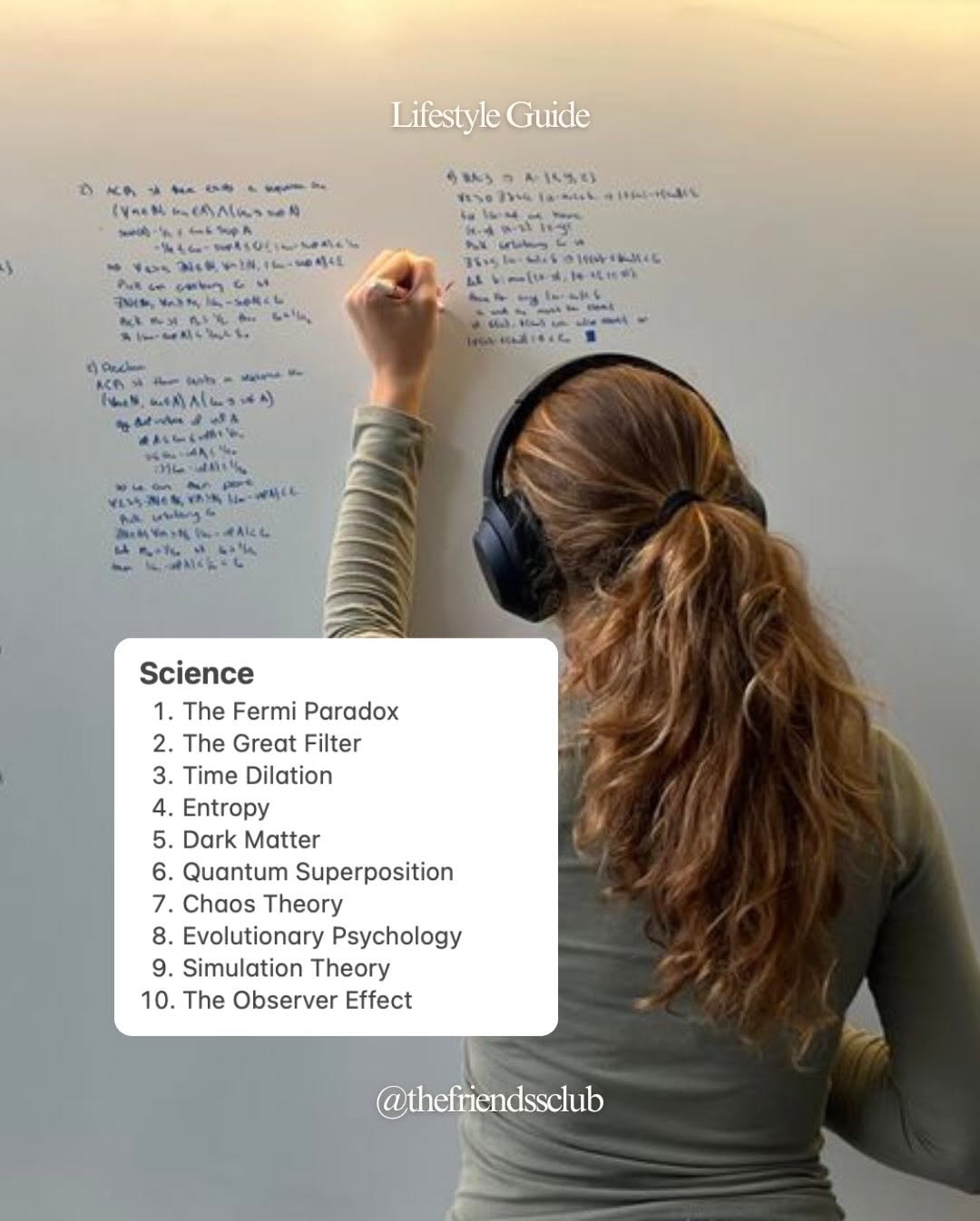
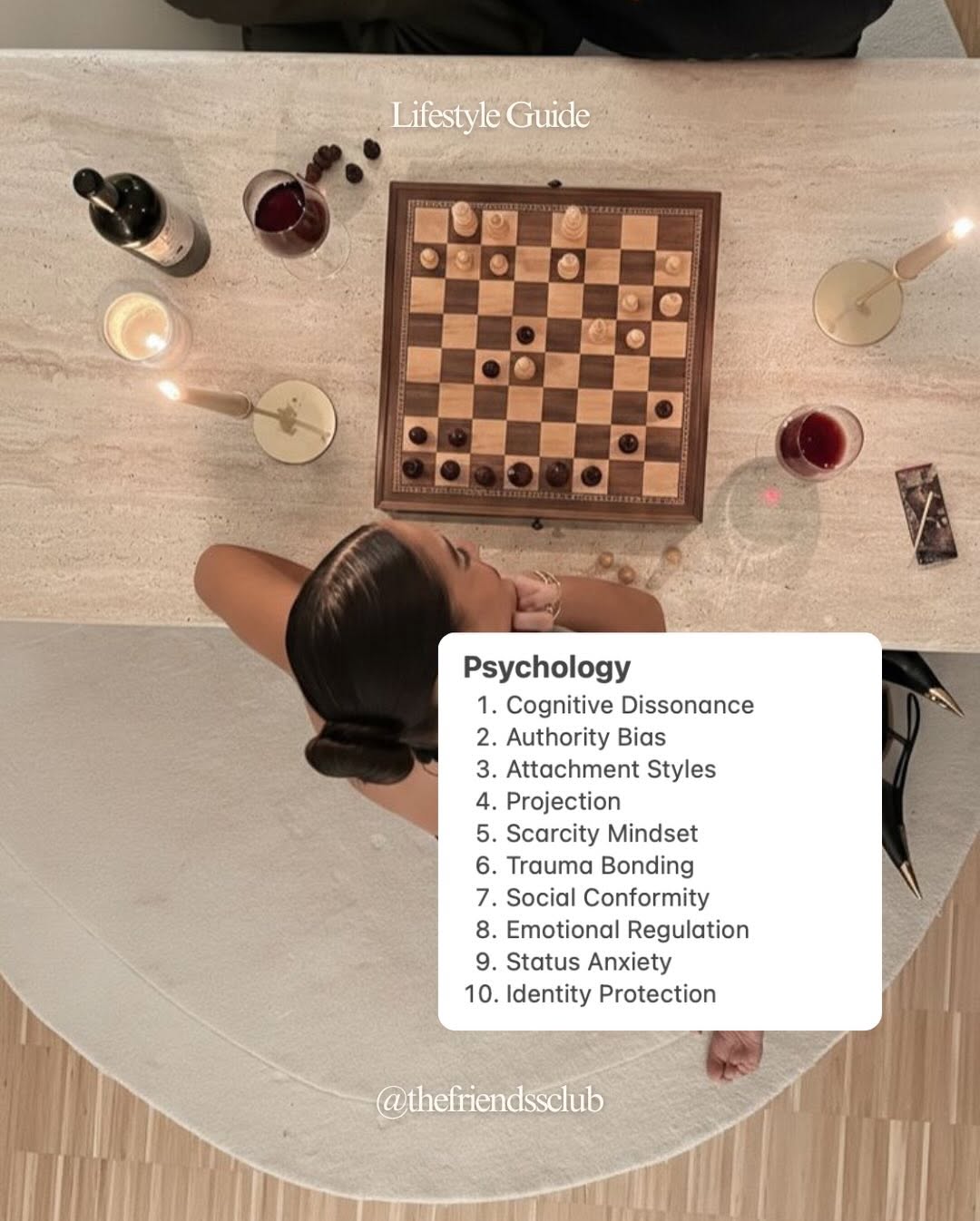

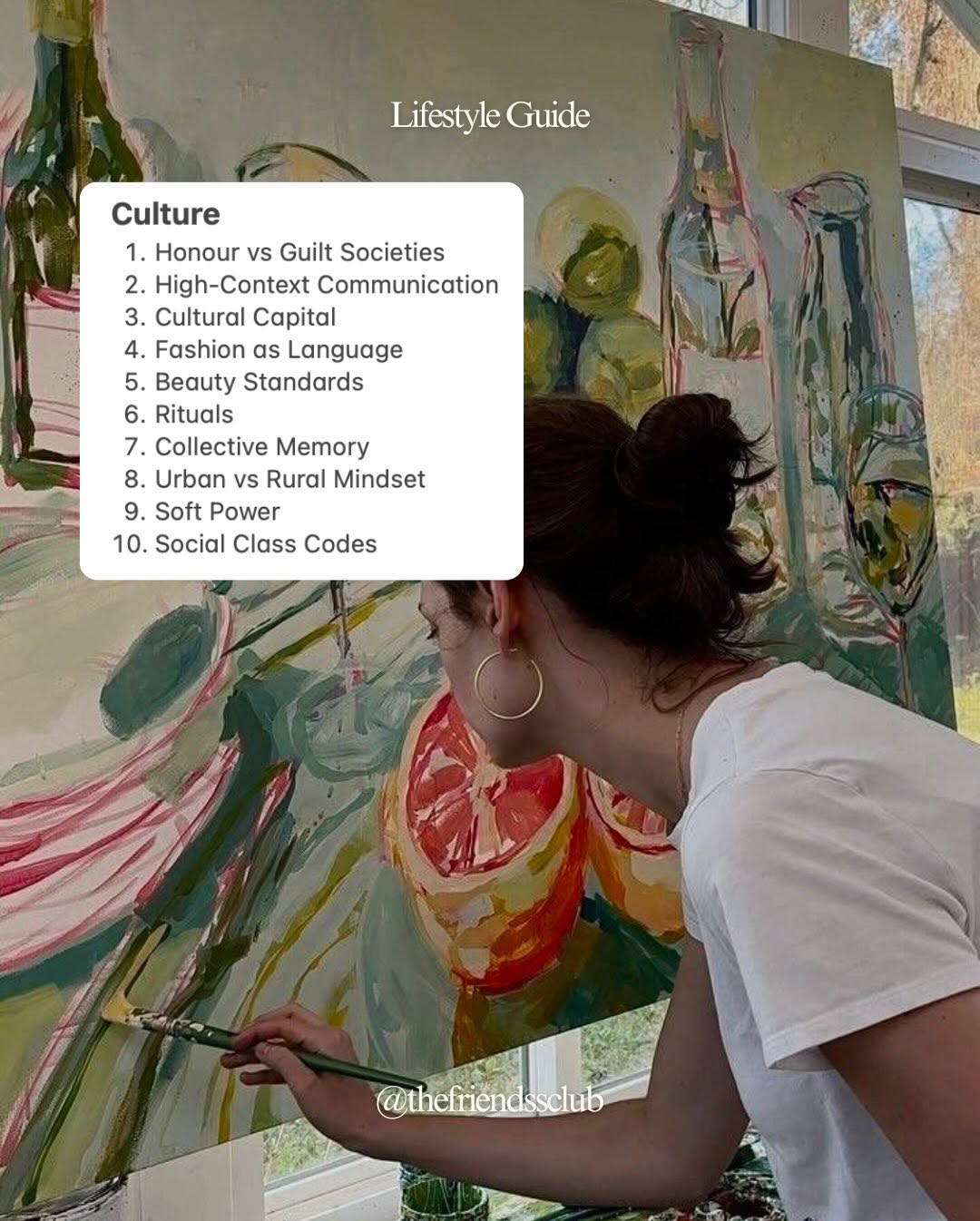
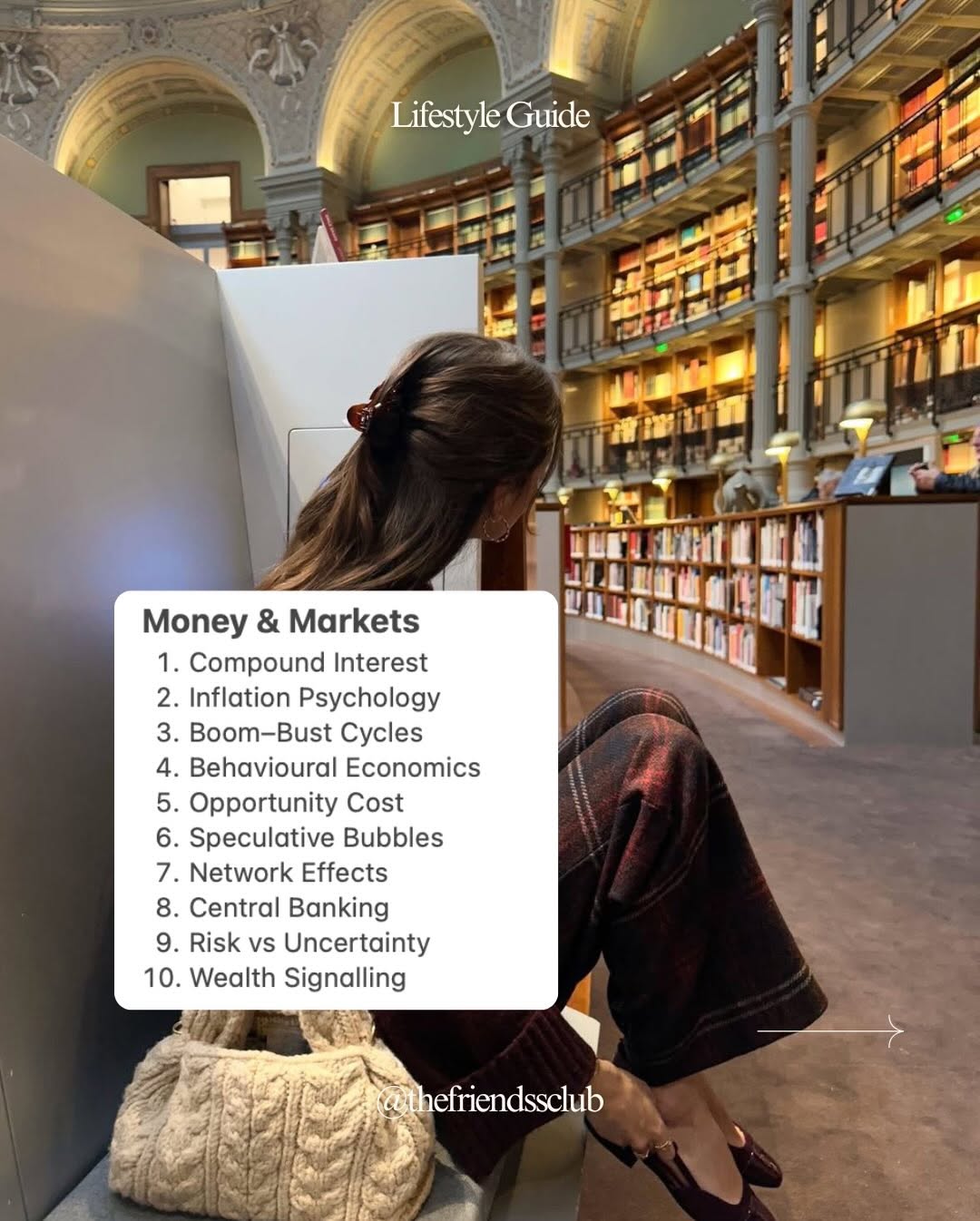
Some interesting topics for intelligent women…
Make education into a hobby for 2026. Choose to spend your free time to become more educated & intelligent.
📌 Save for 2026 glow up!
💌 Send to someone who loves this vibe….
For... See more
instagram.com