Morocco
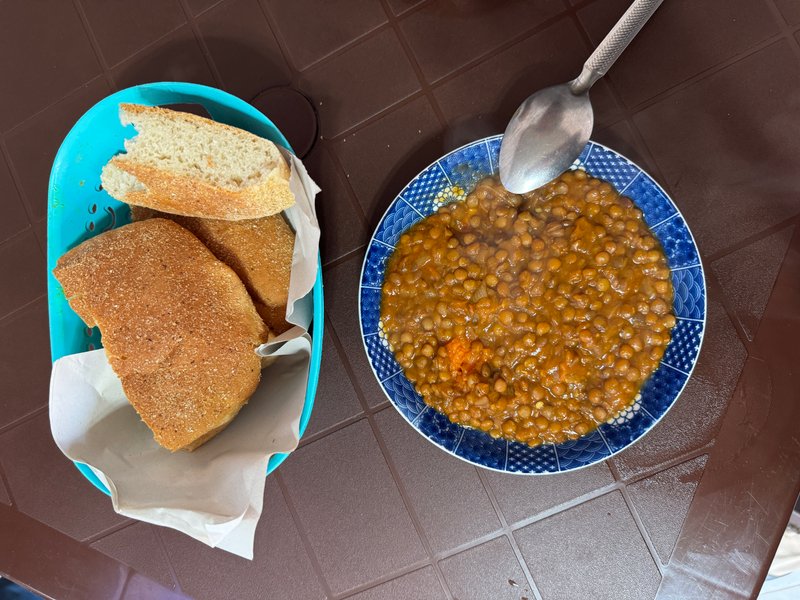
Lunch cost 15 MAD (£1.20) including a glass of tea. I eat where the locals eat. Not another foreigner in sight.

Marrakech Museum.
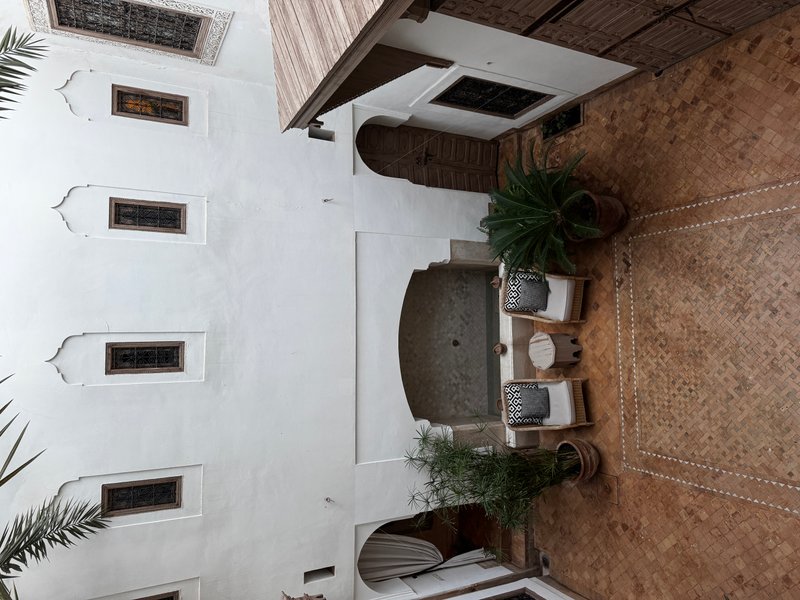
2026-01-11 Riad Dar Housnia, Marrakech
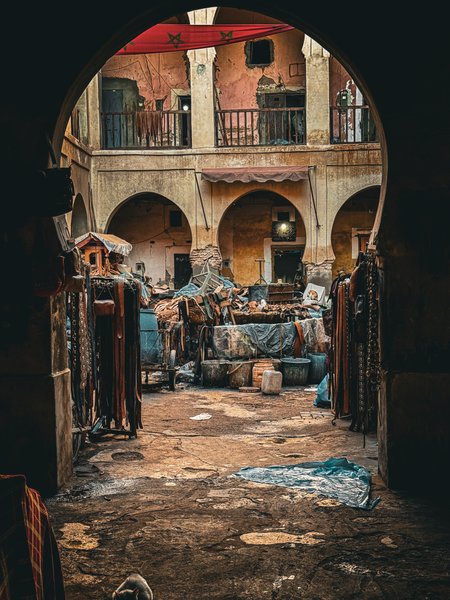
Tannary. Marrakech.
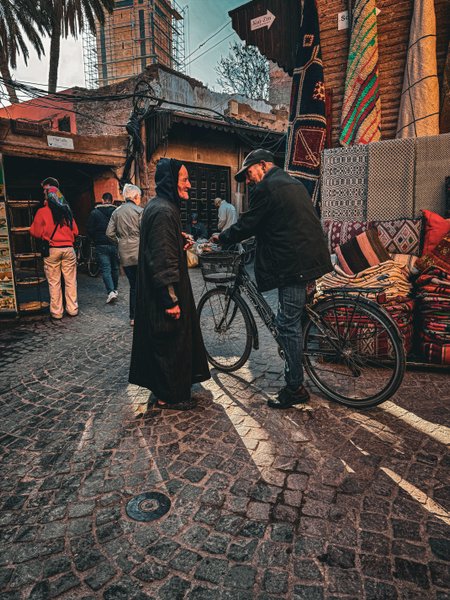
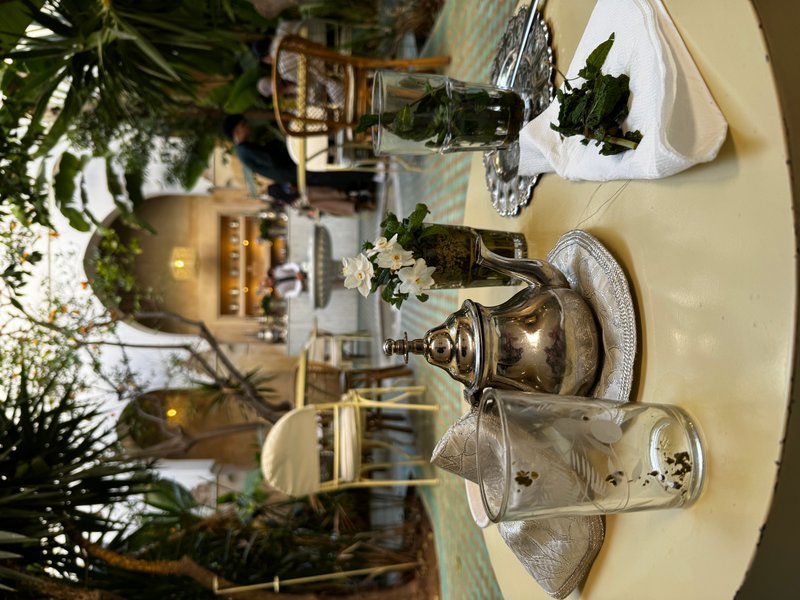
Eleven Twelve tea house. 12 teas from the 12 regions of Morocco. Moroccan tea is not just mint. Well worth a visit.
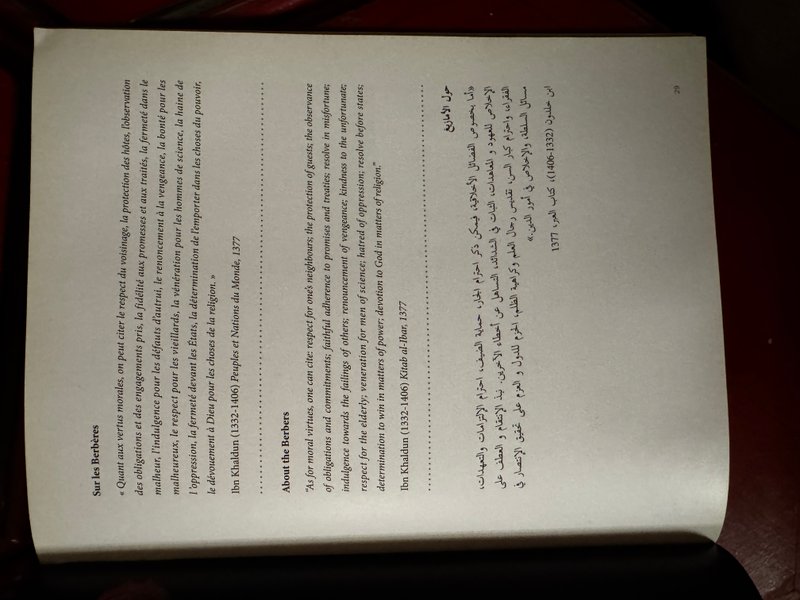
Quote from: Ibn Khaldun and the Kitab al-Ibar
Ibn Khaldun was a North African Arab sociologist, historian, and philosopher, often regarded as the "father" of modern historiography, sociology, and economics.
The Significance of the Work
* Kitab al-Ibar: This is his magnum opus. The full title translates to Book of Lessons, Record of Beginnings and Events in the History of the Arabs and the Berbers and Their Powerful Contemporaries.
* 1377: This marks the year he completed the Muqaddimah (The Introduction), which is the first and most famous volume of this multi-volume world history.
Core Concepts: What it Means
The Kitab al-Ibar is not just a list of dates; it is a search for the underlying laws of history.
* Asabiyyah (Social Cohesion): Ibn Khaldun’s central theory. He argued that the rise and fall of civilizations depend on "group feeling" or social solidarity. When asabiyyah is strong, a group can conquer; when it weakens (usually due to the luxuries of sedentary life), the empire falls to a new group with stronger cohesion.
* The Cyclical Theory of History: He proposed that dynasties have a natural lifespan—usually three generations—moving from desert toughness to urban refinement, and finally to decay.
* Scientific History: He was the first to insist that historians must verify accounts by checking if they are "physically and socially possible" according to the laws of human organization, rather than just trusting hearsay.
"The past resembles the future more than one drop of water resembles another." — Ibn Khaldun
Would you like me to dive deeper into his economic theories or his specific stages of the "rise and fall" of empires?
In Marrakesh, both a “dar” and a “riad” are types of traditional Moroccan homes, but there’s a bit of a difference in their layout.
A riad is essentially a larger, more grand traditional house or palace with an interior garden or courtyard, often with a fountain and greenery in the centre. It’s built inward-facing to ensure privacy and keep the home
... See more