Marketing
"Marketing is our core competency. We're going to outsource everything else. Red Bull has no production facilities or warehouses."
The more the organization understands its customers’ needs, wants, behaviors, and attitudes—that is, much more than their raw demographics—the better it can serve those needs.
Robbie Kellman Baxter • The Membership Economy: Find Your Super Users, Master the Forever Transaction, and Build Recurring Revenue
If you want to be the best in the world, don’t start by trying to create the best product or service. Start by figuring out how people want to feel.
Bernadette Jiwa • Marketing
Does a customer buy a flat-screen TV because he wants to own an electronic device? Or rather because he wants to sit on his couch and consume entertainment? Is the mission of a trip to the grocery store the acquisition of items for the pantry? Or might the underlying mission be a hot meal for the family?
Alan Lewis • Edge Strategy: A New Mindset for Profitable Growth
Clark Barron on LinkedIn: I know, I know—As if I needed another hill to die on... If you’ve… | 12 comments
Clark Barronlinkedin.com
Demand [generation] is a byproduct of brand strength.
You can’t generate demand for something people don’t want or need.
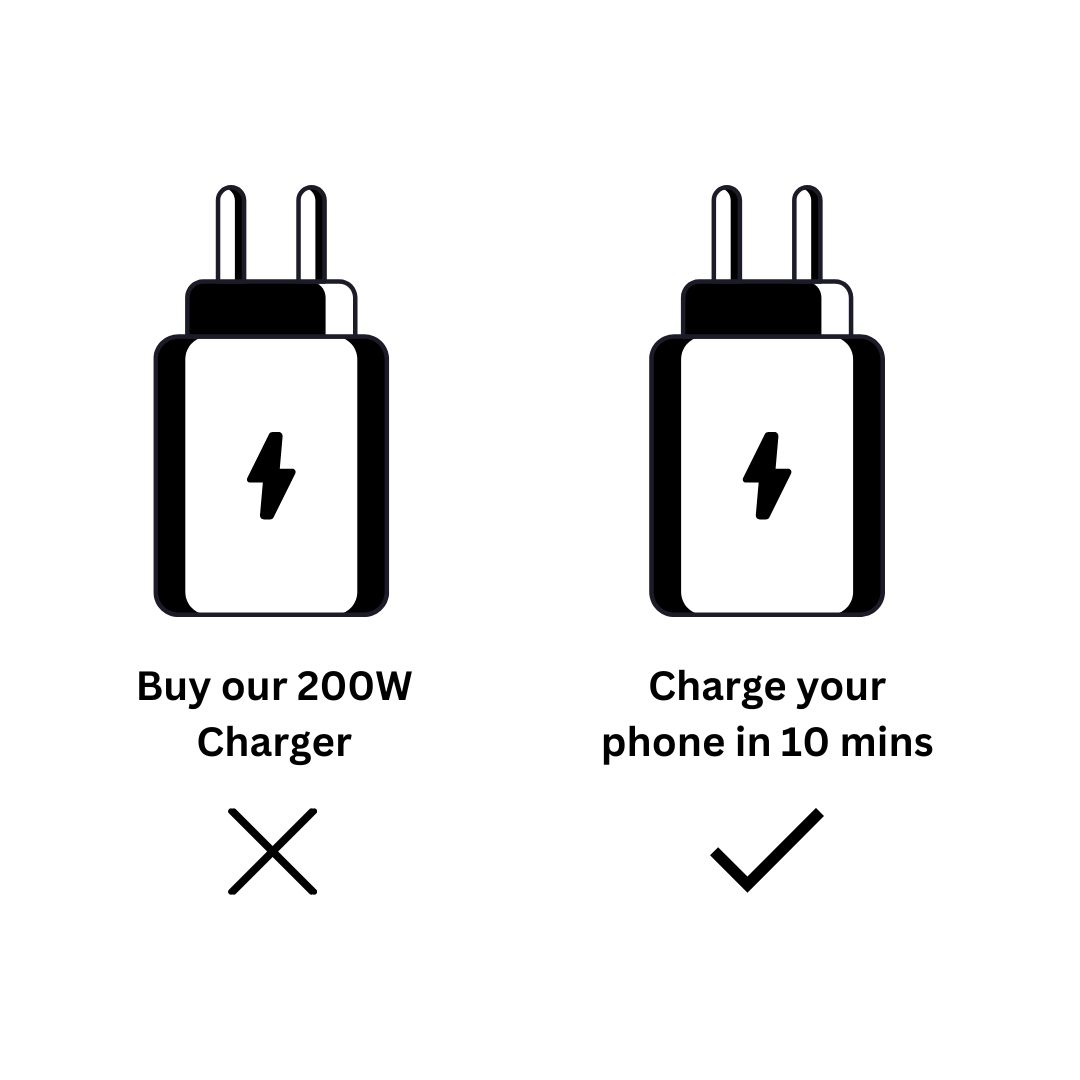
Understanding the customer’s problem wasn’t enough—to really understand how they perceived our strengths and weaknesses, we needed to understand the alternatives to which they compared us. Customers always group solutions in categories, but talking to them about problems doesn’t necessarily reveal those categories.