design
Jilber Najem and
design
Jilber Najem and
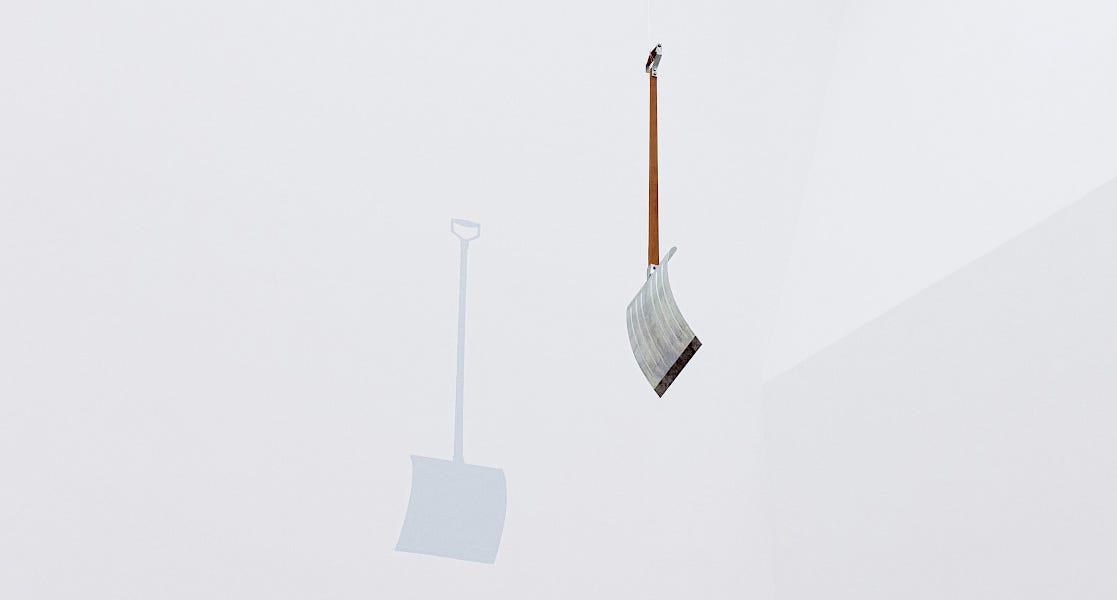
We like to see designing friction as a fundamental design principle when working with digital culture. Instead of following design ethics that strive to eliminate friction we suggest to not only allow, but embrace friction, facilitate it: design [products with] digital technology in a way that makes space for our humanness. Here friction is a core ingredient. Digital technology should create environments and situations in which we can truly connect with each other, as well as with the unknown, the uncontrolled, with all senses, all elements, all emotions. Create situations that are not calculated beforehand, predicted and measured; situations that result from and amount to the present moment.

Absolutely excellent piece.
Throughout history, new technologies have opened new fields of expression and expanded what's possible. Every time a new technology came in, at least half were left behind loving the old craft or worrying about the future. Those who embrace the discomfort, understand how the tool can be wielded will continue to create novel ideas and change culture, With the printing press, those who mastered textual literacy created profound societal impact. In those early days, this literacy was an essential differentiator.
Just as the printing press democratized knowledge creation, AI is commoditizing access to intelligence and with it redefining technical execution. This is now widely accepted. AI can generate endless ‘perfect’ outputs, and its reasoning capabilities will only expand. Design’s tools will change but design’s essence remains distinctly human: creation guided by feeling & relationships rather than pure logic, and the judgment to know what’s worth creating.
Design literacy—combining curiosity, studied curation, personal conviction, and craft—will become as vital as verbal literacy.
This way of seeing and thinking becomes a new differentiator. It’s a new type of intelligence and design that will separate those who thrive from those who fade into the noise. I see this type of design everywhere in my work with founders, engineers, salespeople, and investors—they are all designers in their own right. It is innate—it just needs to be unlocked.
The best founders already understand this. In a world where anyone can build, they know what to build, who it’s for, and why it must exist.