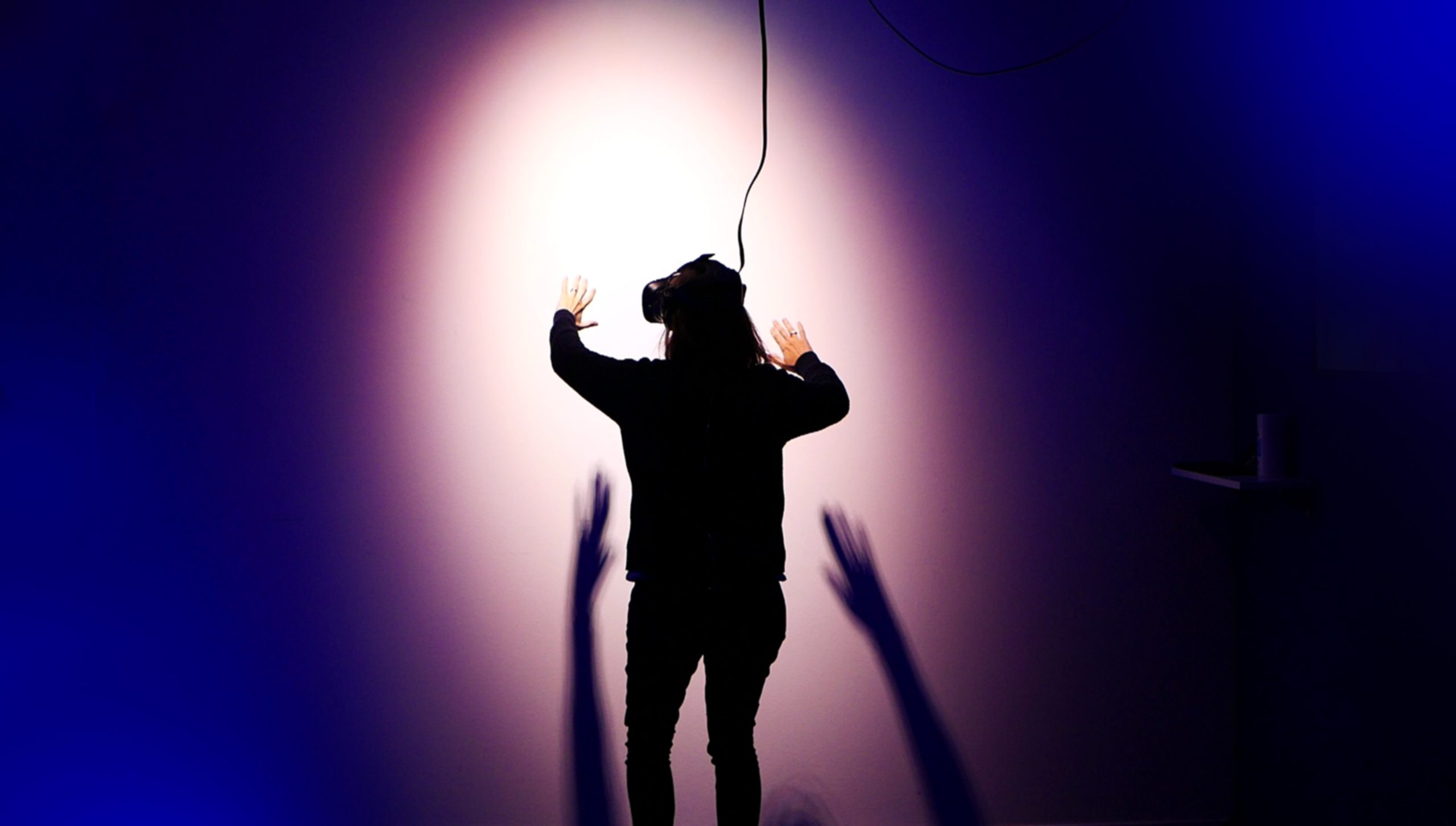
But great technological innovations always come with tradeoffs, and the shift to AI therapy has deeper implications than 1 million mental health professionals potentially losing their jobs. AI therapists, when normalized, have the potential to reshape how we understand intimacy, vulnerability, and what it means to connect.
Nowadays everybody is so scared of life and of risk and of anything that comes from it, that we've developed brittle shells around ourselves which make us rather lonely beings.
starting to suspect having a good conversation and feeling connected is not primarily eye contact or asking a lot of questions or not talking about yourself or whatever, or even curiosity, but some yet more fundamental thing that drives all of it like ... joie de vivre??
i get the sense the core thing is actually quite simple, and all the indicators... See more
Turkle referenced the issue of behavioral metrics dominating AI research, and her concern that the interior life was being overlooked, and concluded by saying that the human cost of talking to machines isn’t immediate, it’s cumulative. 'What happens to you in the first three weeks may not be...the truest indicator of how that’s going to limit you,... See more
recent research offers a reassuring perspective—that AI-delivered therapeutic interventions have reached a level of sophistication such that they’re indistinguishable from human-written therapeutic responses.
“People think that intimacy is about sex. Intimacy is about truth. When you realize you can tell someone your truth, when you can show yourself to them, when you can stand in front of them bare and their response is ‘you’re safe with me’- that’s intimacy” Adi Shakti