Architecture
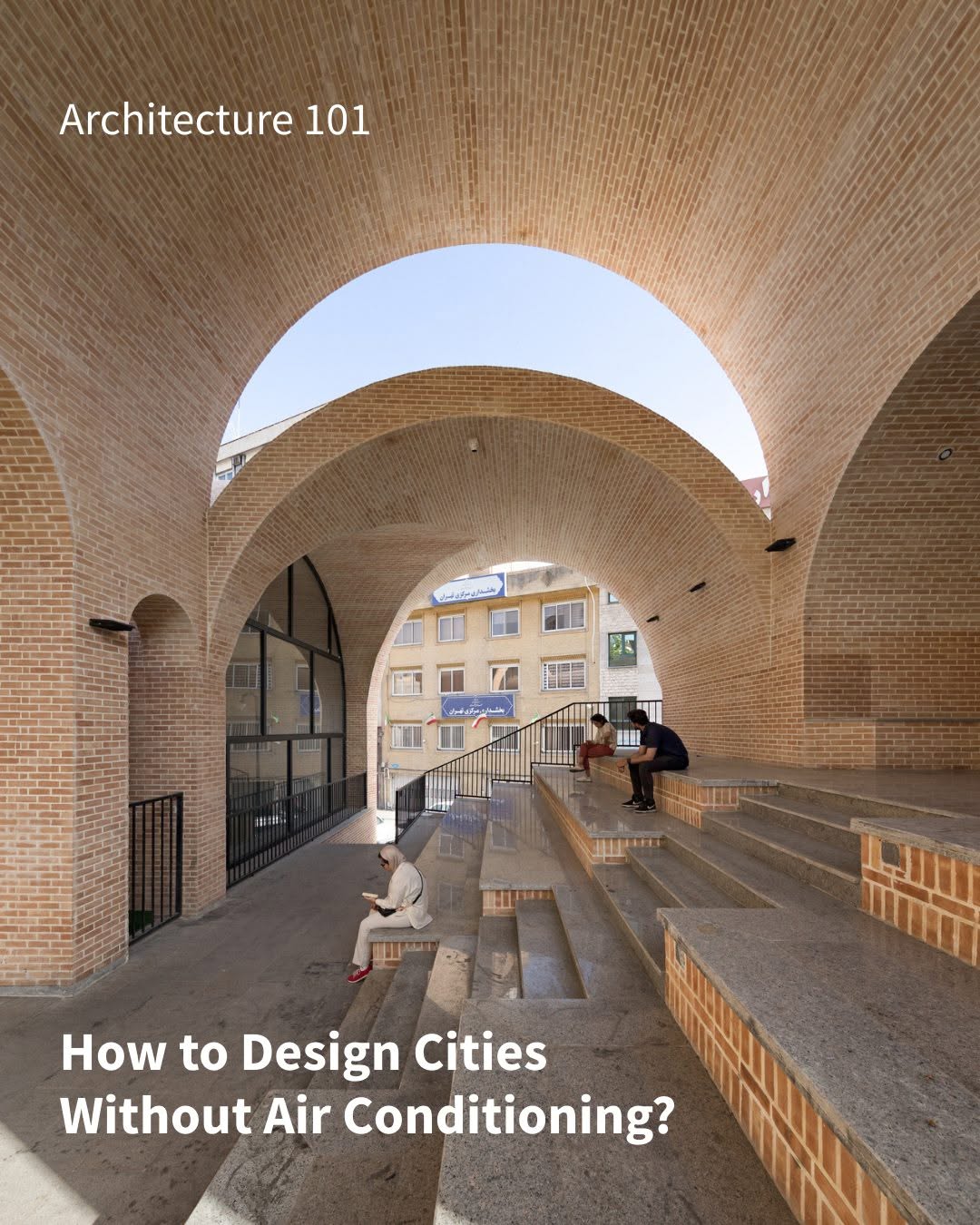




Can you imagine a world without air conditioning?
At a time when we fight rising urban temperatures, it may seem impossible. Yet our dependence on cooling systems is paradoxical, as it actually worsens global warming.
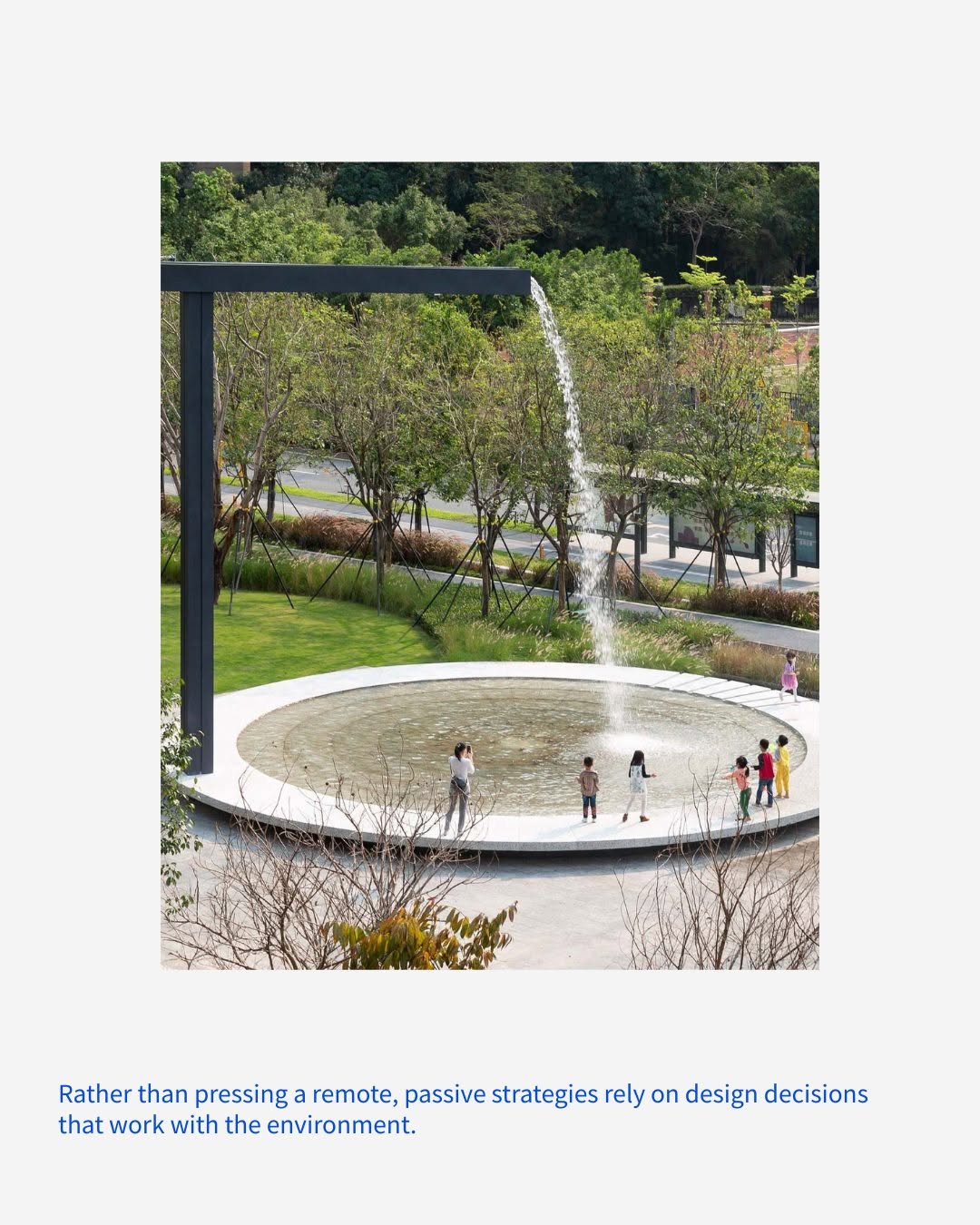
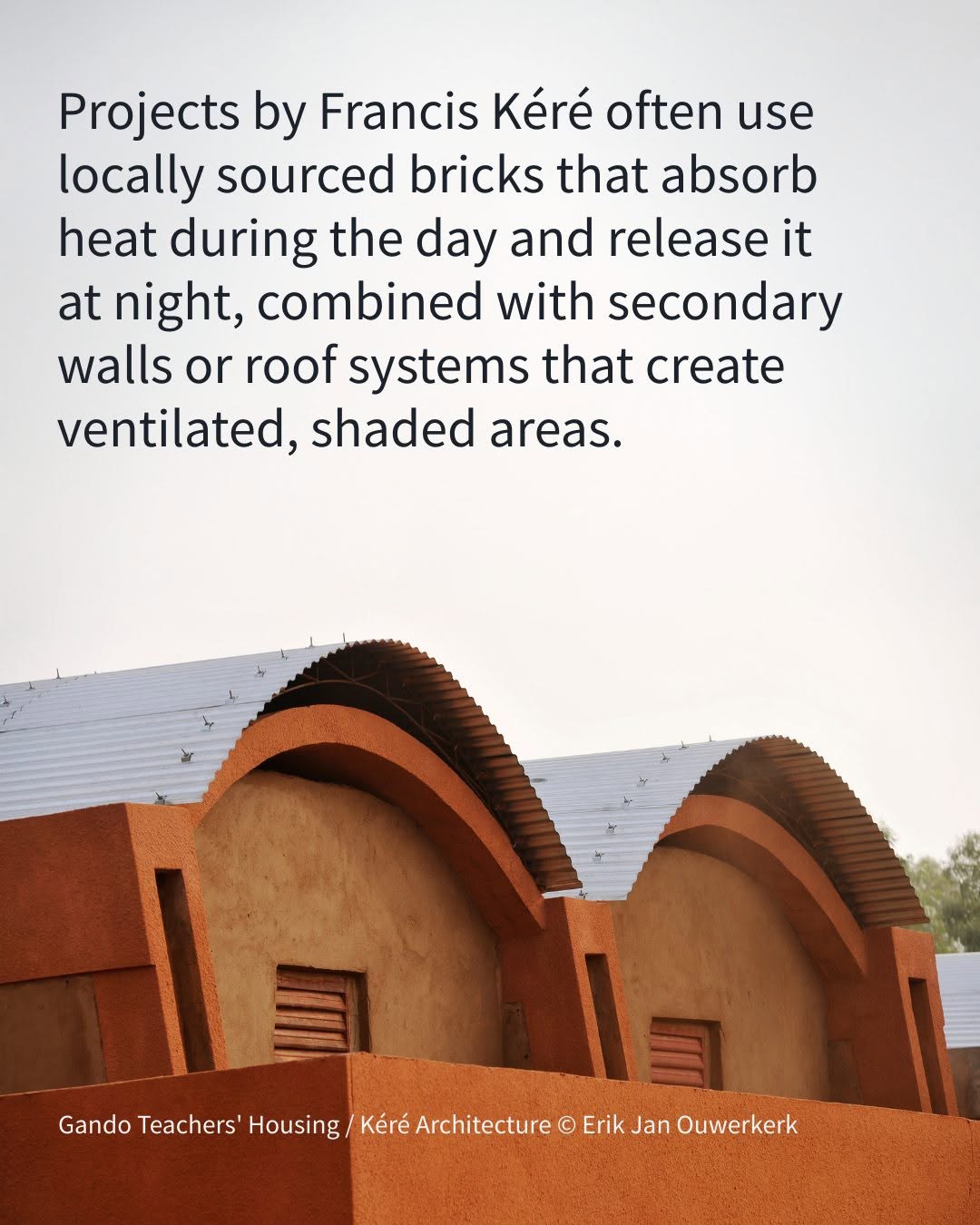
Passive strategies offer a path to thermal comfort that goes beyond... See more
instagram.comHow to Draw Like an Architect
youtube.comMaster architectural sketches by thinking in 3D boxes, not fancy lines
Visualize the room before you draw
Start from a floor plan, then imagine the space in perspective.
Block in a simple “box” of the room: four walls, floor, and ceiling.
Use the horizon line as eye level to keep proportions believable.
Think in squares, rectangles, and boxes, then place details inside them.
Build the drawing in deliberate layers
First establish structure: walls, windows, ceiling, and major volumes.
Then add architectural details: beams, crown molding, transoms, medallions.
Next layer textures like stone, wood flooring, and area rugs.
Finally drop in furniture, objects, and lighting to bring the room to life.
Let proportion and perspective do the heavy lifting
Treat ceiling height, window tops, and bookcases as linked reference lines.
Use diagonals across rectangles to quickly find exact centers in perspective.
Indicate depth with shadows and shelf thickness, not complex rendering.
Reuse simple rules (8 ft tops, 12–13 ft ceilings, 12–15 in books) for fast decisions.
Design sense matters as much as drawing skill
Choose elements (fireplace, bookcases, lighting) to balance the composition.
Mix books with objects, art, and lighting so shelves feel curated, not flat.
Add indirect and built-in lighting to shape mood and depth.
Sign and date sketches to track projects across thousands of designs.
Why it Matters
Architects and creative leaders don’t just “draw well”—they think spatially, systematize perspective, and layer design decisions. Teaching teams to see spaces as simple boxes with consistent rules turns intimidating sketches into a repeatable process for communicating ideas clearly and fast.
Brightness killed beauty
It made everything easier to see and harder to feel.
In In Praise of Shadows, Tanizaki argues that beauty lives in what’s dim, layered, and partially hidden.
That brightness flattens experience.
That when everything is revealed, nothing is... See more
instagram.comArchitecture A to Z [Guide to Popular Concepts]
youtube.comArchitecture’s A–Z cheat sheet decodes the field’s most confusing jargon.
Key Point 1: Architecture has its own language — and you must learn it to keep up
The video defines 26 widely used terms from aesthetic to zeitgeist.
Jargon exists because translating complex spatial and structural ideas into words is hard.
Without this vocabulary, both students and enthusiasts get lost in lectures, critiques and texts.
The goal: give you a working glossary so “architect-speak” becomes intelligible, not intimidating.
Key Point 2: Core concepts describe how buildings look, feel and guide people
Aesthetic, legibility, hierarchy, iconic explain how a building’s form, vibe and clarity are perceived.
Circulation, enfilade, node, program describe how people move, gather and use spaces.
Fenestration, jamb, buttress, geodesic cover openings and structural support, from windows to flying buttresses.
Together, they explain why some buildings feel intuitive and memorable while others feel confusing.
Key Point 3: Other terms reveal how buildings are made and age over time
Stereotomy, tectonics, morphology focus on cutting, joining and organizing structure and volumes.
Rustication, quoin, ornament, kitsch describe strategies for visual weight, detail and “good” vs. “fake” decoration.
Weathering and patina track how materials record time and environment on the building’s surface.
Vernacular and yurt show how local climate, culture and tradition shape enduring solutions.
Key Point 4: Architecture tracks culture’s “spirit of the age”
Zeitgeist captures the dominant ideas and values shaping architecture in a given era.
Shifts in taste (from ornament to minimalism to diagrams) mirror broader social and technological changes.
Urbanism zooms out to how people, streets and districts interact as living systems.
Knowing these terms lets you see buildings as cultural artifacts, not just objects.
Why it Matters
For leaders in design, cities and the built environment, this vocabulary is a thinking toolkit. Understanding these concepts sharpens how you interpret plans, critique projects and talk with architects — turning vague impressions (“I like this building”) into precise, strategic feedback about form, function, culture and long-term performance.
identify architectural style instantly
youtube.comProportion is not beauty. It’s discipline.
Hans van der Laan rejected visual mysticism in architecture and replaced it with measure, sequence, and bodily perception.
As a Benedictine monk and architect, his work became foundational to the Bossche School, where space is not composed to impress the eye, but... See more
instagram.com