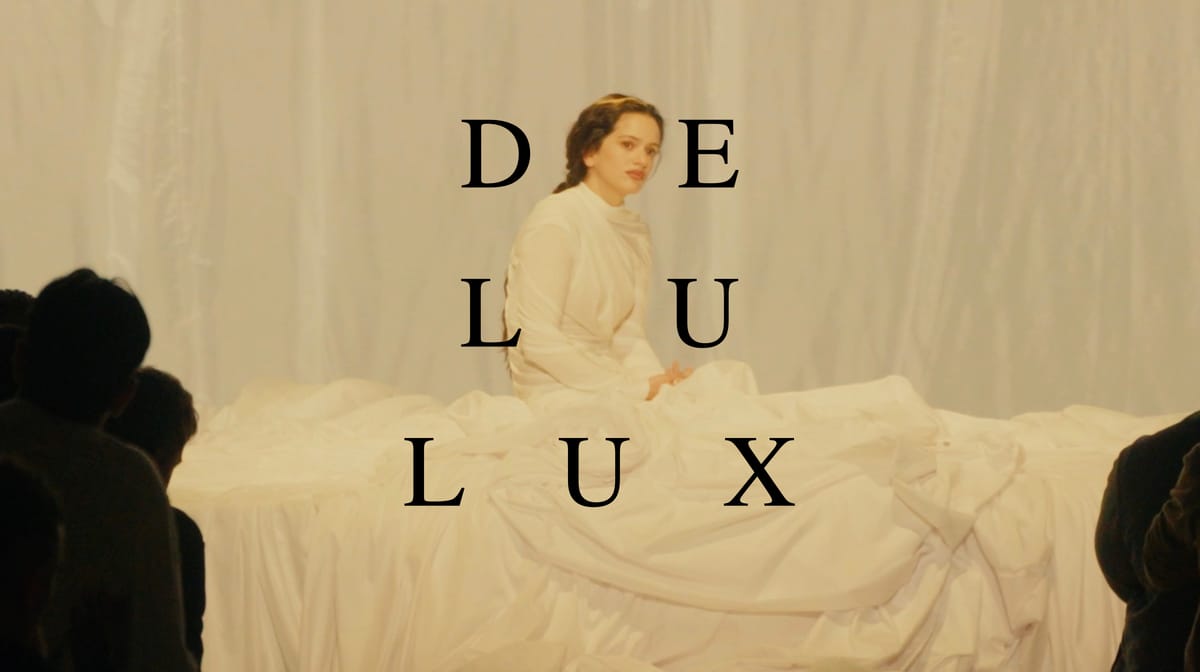
exploring lyrical themes of "feminine mystique, transformation, and spirituality", with its songs inspired by the lives of various female saints, including Hildegard of Bingen, Rabia Al-Adawiya, and Miriam, alongside Rosalía's relationship with God, her romantic relationships, and the work of writers Clarice Lispector and Simone Weil.[1] Its track... See more
Critics keep calling it “ambitious” or “maximalist,” which is what you say when you don’t have the vocabulary. What LUX actually does is refuse the pop music contract. Pop says: give me three minutes, a hook, and reproducibility. LUX says: this is architecture, not content. You don’t consume it. You move through it.
Ahí es donde la artista se mueve con agilidad: su lenguaje "espiritual", sus "apariciones marianas", su elevación sobre los conflictos y sus referencias a la pureza, la luz, la trascendencia son una estrategia adaptativa "deslumbrante" frente a un mercado regido por la intensidad emocional (y no la tensión política).