Saved by Alex Hemmert and
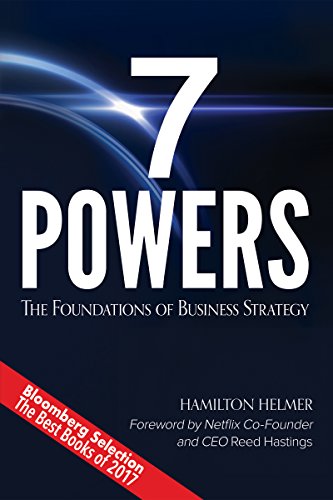
7 Powers: The Foundations of Business Strategy
Saved by Alex Hemmert and
Non-exclusivity. Note that Branding is a non-exclusive type of Power. Indeed, a direct competitor might have an equally impactful brand that targets the same customers (e.g., Prada and Luis Vuitton and Hermès). All competitors with brand Power, however, still will earn returns superior to those of the competitor with no Branding.
Power: the set of conditions creating the potential for persistent differential returns
A Benefit: some condition which yields material improvement in the cash flow of the Power wielder via reduced cost, enhanced pricing and/or decreased investment requirements.
Cornered Resource definition: Preferential access at attractive terms to a coveted asset that can independently enhance value.
In the case of Netflix, their lead in subscribers translated directly in lower content costs per subscriber for originals and exclusives.
Potential Value = [Market Scale] * [Power]
Narrowness. To clear the high hurdle of Power, Branding in the context of Power Dynamics is a much more restricted concept than in marketing. For example, even if “brand recognition” is very high, there may not be Branding Power. In instances like this, it could actually be Scale Economies creating heightened brand awareness. For example, Coca Cola
... See moreyour business must attain Power. Operational excellence by itself is not enough.
Strategy: the study of the fundamental determinants of potential business value