Viewed as a way to understand reality more deeply, suddenly research shifts from something intimidating to something beautiful, this process of slowly feeling the inner workings of the universe come into focus, clicking into place, a blossoming of clarity suffusing, igniting the jungle of neurons traversing my mind, until I can finally see.
Reaching wide audiences requires all-terrain language, and the urgency of the present moment, amplified by chronological feeds, doesn’t allow for much stylistic variety. Efficiency is key — compressing as much information as possible to the least amount of words is the ideal of all communication.
While I do agree that many areas of interaction, like... See more
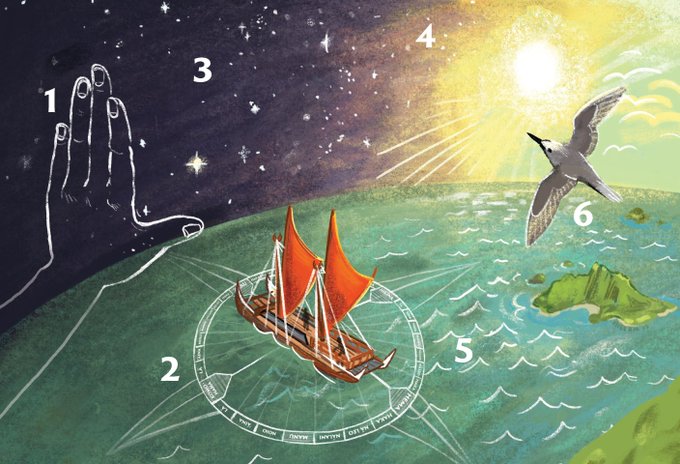
If the polynesian wayfinding tradition had died out just a couple centuries earlier, so that we didn't have living practitioners as a matter of record,
they'd tell us that navigating the pacific like that was impossible and those stories were just legends and allegories
i don’t know anything but my experience of aging so far has been a series of sudden& humiliating realizations that every cliche made meaningless by constant exposure (“be yourself” etc) contains a completely overwhelming degree of truth that u can’t understand until you just do
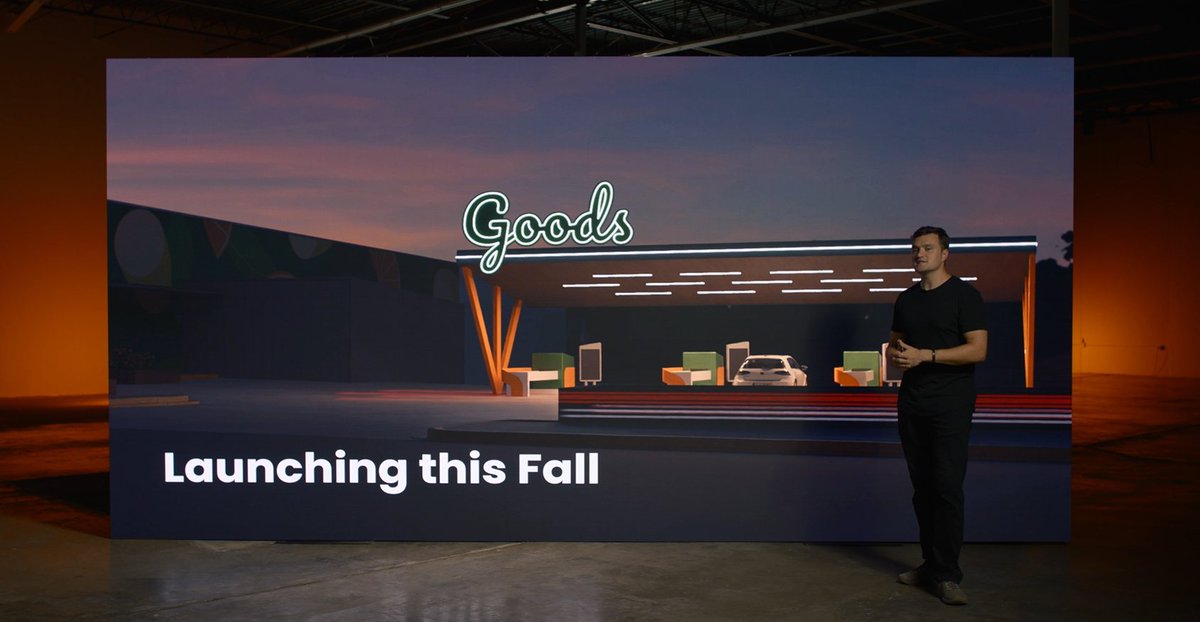
We're launching a pickup and delivery only grocery store in Austin this fall.
It's the 1st phase of our city wide network and is powered by our Rapid Fulfillment Center.
Grocery is notoriously difficult, here's why we're starting with it: https://t.co/Vyrdh7E9qf
The people I admire most have a way of escaping the bubble of culture. Sometimes via religion; sometimes via old books; sometimes via time in nature. Without such an escape, propaganda wins. You stop thinking for yourself. Modern delusions grow into an all-consuming mind virus.