Sublime
An inspiration engine for ideas
If you're anything like me, you think new years resolutions are stupid.
Because most people go about changing their lives in the completely wrong way. They create these resolutions because everyone else does – we create a superficial meaning out of status games – but they don’t meet the requirements for true change, which goes a lot deeper than
... See more“don’t complain about being in traffic. you are the traffic.”
Avoid taking advice from someone who gives advice for a living, unless there is a penalty for their advice.
Nassim Taleb • Skin in the Game: The Hidden Asymmetries in Daily Life
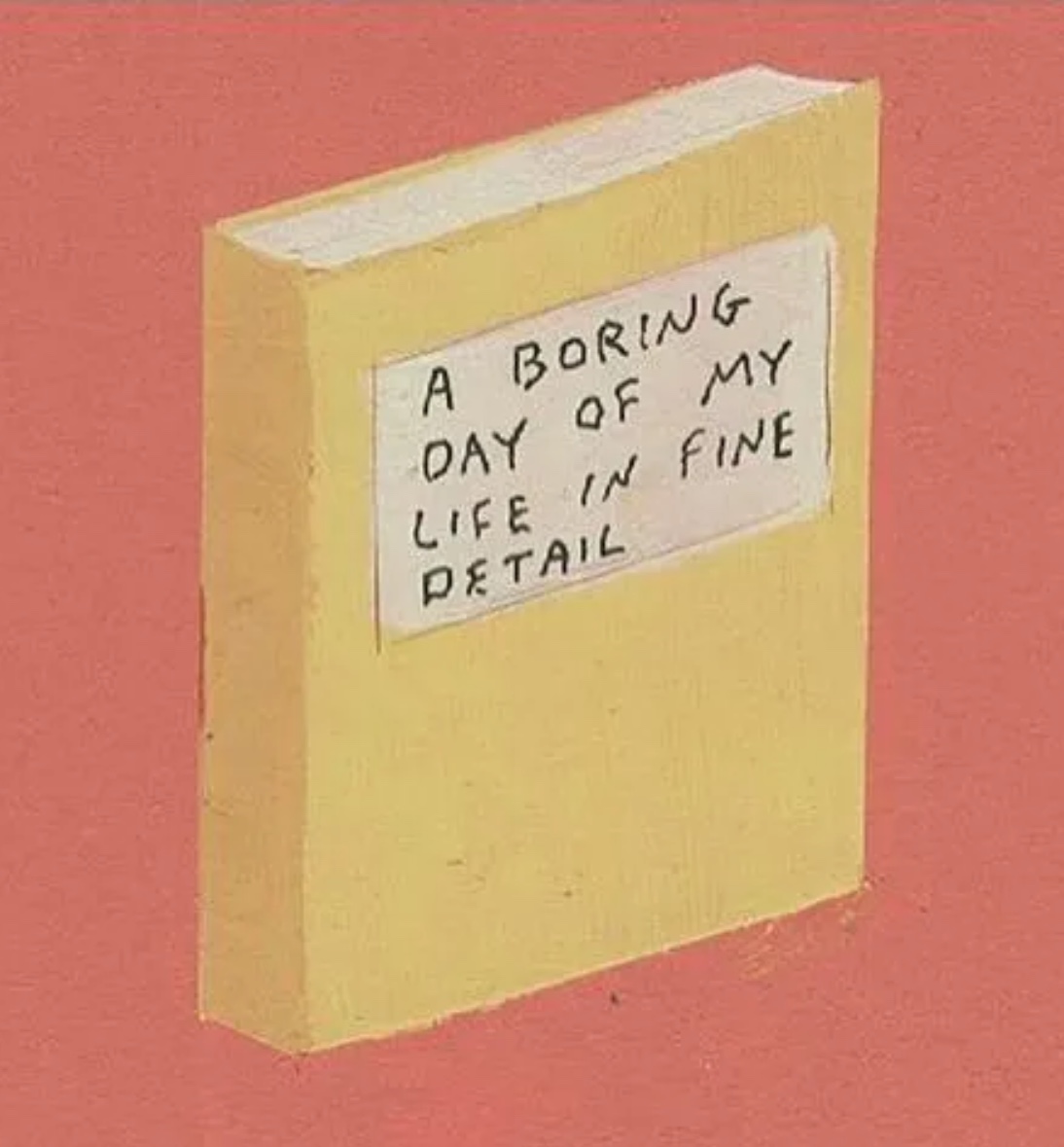
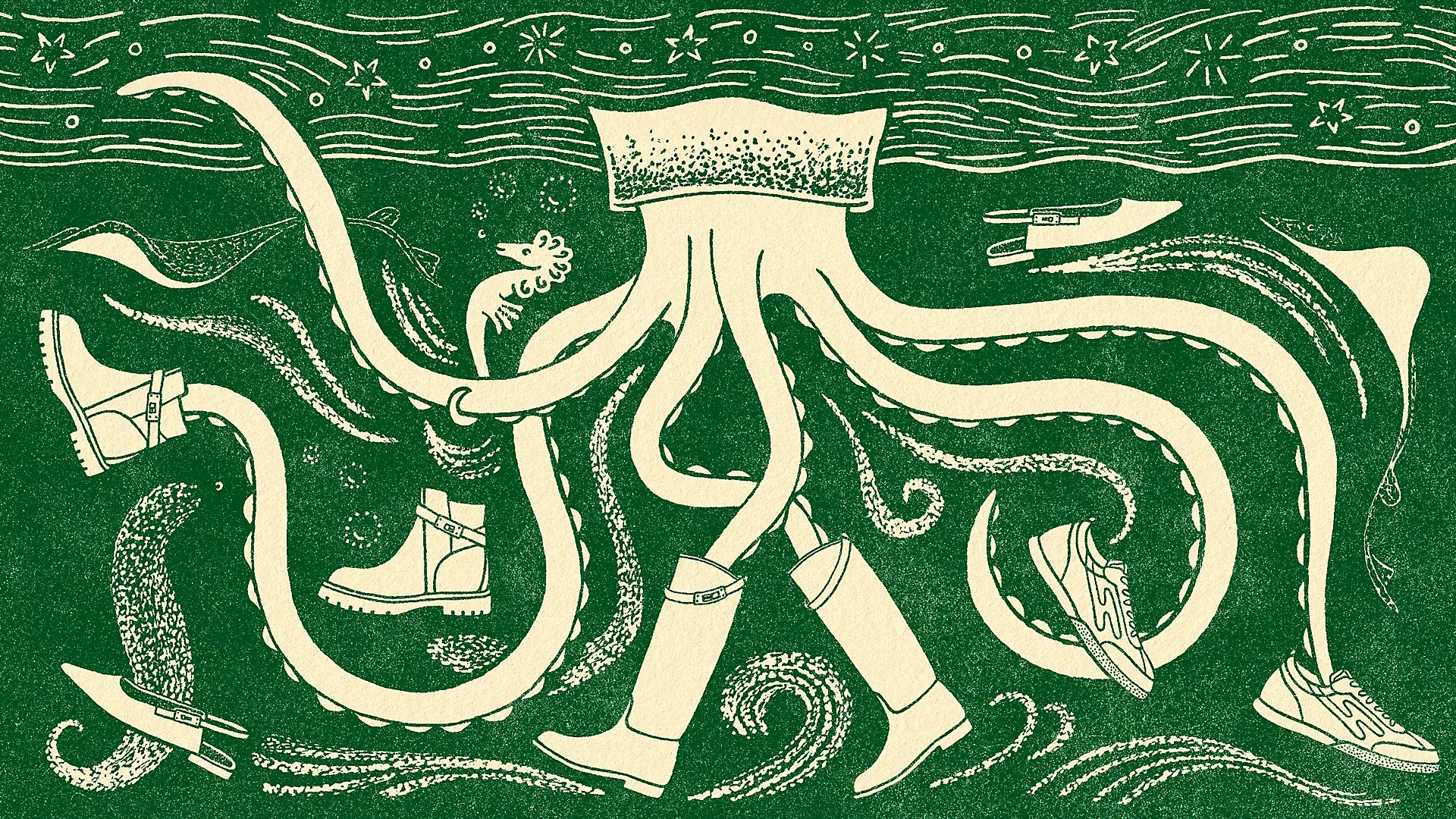
Research as a form of pattern disruption
idlegaze.substack.com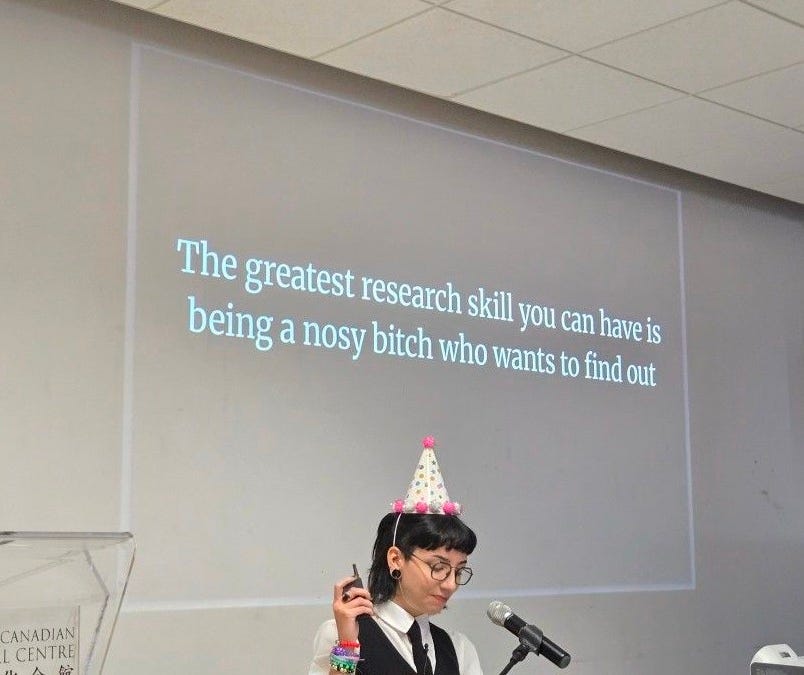
Ambition is about the echoes you want to leave reverberating in the world around you. It's about finding the place in The Current where your heart, mind, and gut resonate with creation. Ambition is about living life as an art of devotion to the Process and Pattern, making reality more beautiful with your participation than it would be without it.