flow is incredible. How do we make it? Well, these are the conditions:1. You must always know what to do next.2. You must always know how to do it.3. You must be free from distractions.4. You must get clear and immediate feedback.5. And this is the hardest to get right. You must feel a balance between challenge and skill.
Today, these problems are solved by machine learning algorithms run by centralized companies for the benefit of advertisers. My thesis is that what we require is, instead, a content market where we all collaborate to curate content and be rewarded for our good taste and our creativity.
Despite a pandemic that accelerated the shift toward e-commerce, and continued market share shifts away from giant, legacy brands, there hasn’t been a billion-dollar-plus buying spree of direct-to-consumer e-commerce companies.
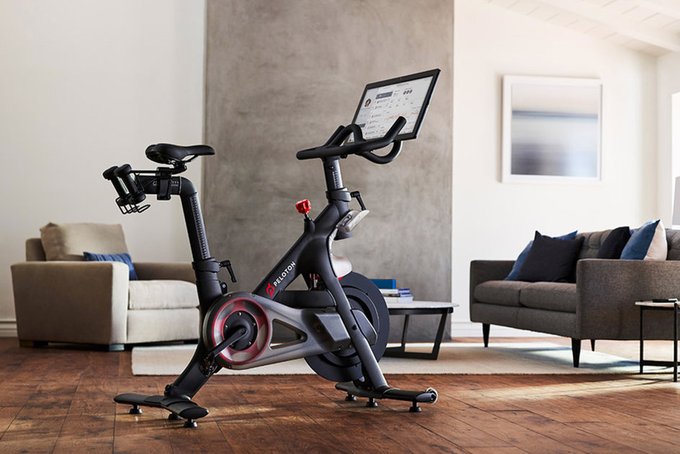
In 2021, Peloton has seen its market cap fall from $50B to $17B. The “iPad on a bike” joke is trending but it’s a bit unfair.
Peloton’s design smartly uses many psychological hacks to get people hooked on exercise (and it's worth learning from).
Here are 9 of them🧵
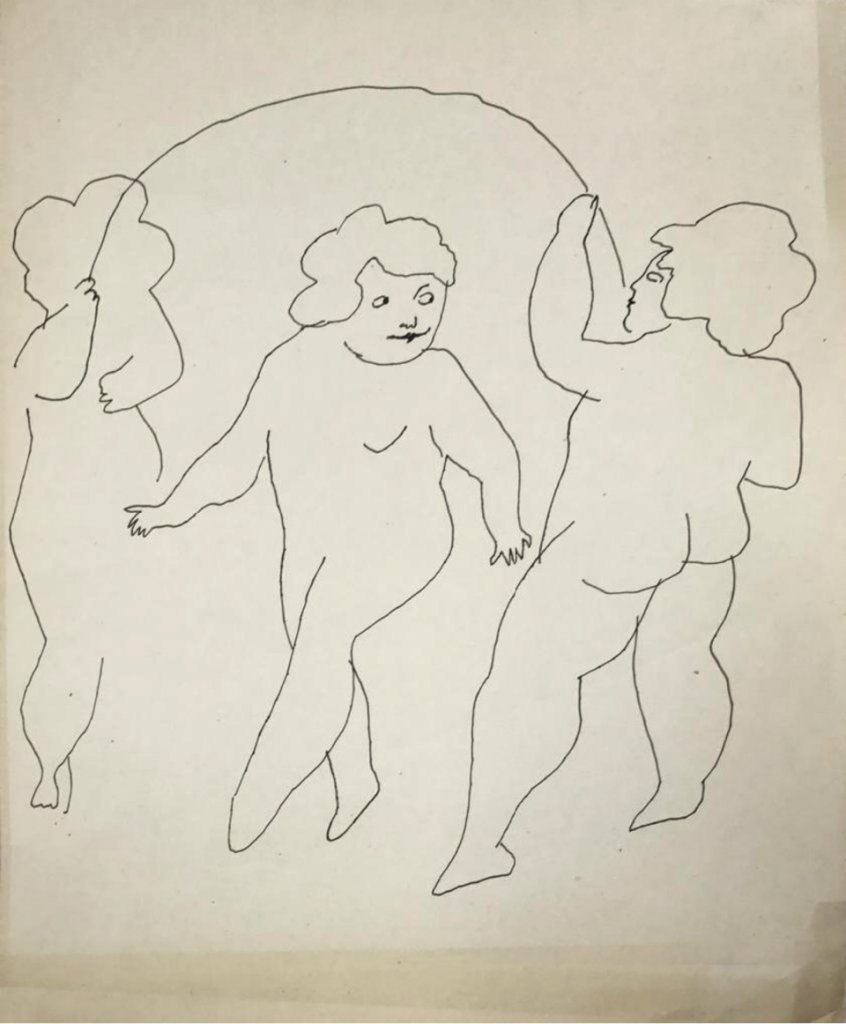
MSCHF bought an original Andy Warhol for $20,000 and made 999 exact forgeries.
They mixed the original in and sold 1,000 pieces that *might be a real Warhol* for $250 each.
That’s $250k 🤌🏼
Here's what they did: https://t.co/XYpyQGRfjH
:quality(70):focal(-5x-5:5x5)/cloudfront-eu-central-1.images.arcpublishing.com/businessoffashion/TIPVPCGWFVE37LCH55BGL7YXFU.jpg)