“Once the mind has accepted a plausible explanation for something, it becomes a framework for all the information that is perceived after it. We’re drawn, subconsciously, to fit and contort all the subsequent knowledge we receive into our framework, whether it fits or not. Psychologists call this “cognitive rigidity”. The facts that built an... See more
Optimize for enthusiasm. Make as many choices as you can that leave you feeling energetic and interested. Pay attention to when you have the urge to pursue or participate in something and do more of it.”
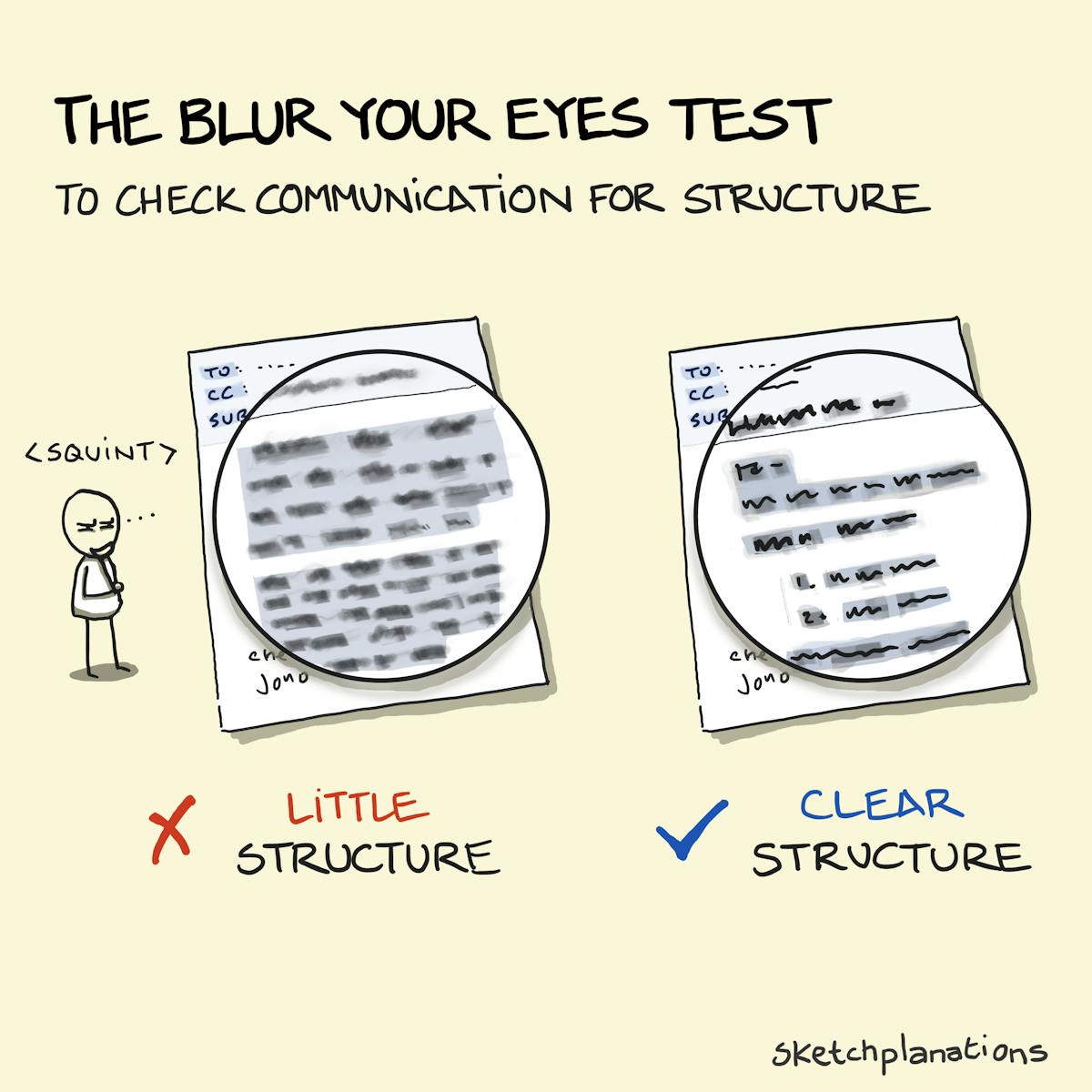
When we know a lot about a topic, it can be difficult to write about it in a way that makes sense to the layperson. To improve writing, Cognitive psychologist Steven Pinker suggests several strategies:
Use concrete nouns and refer to tangible things instead of abstractions.
Assume that readers know less about the topic than you do, but are still
“The best new ideas always have unanticipated benefits. So it’s stupid to require people who want to do new things to enumerate the benefits beforehand. The best you can do is choose smart people and then trust their intuitions about what’s worth exploring.”