weekly Objet library

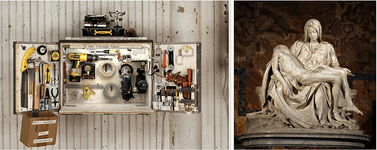
Objects that expose their “marks of making”, or artifacts of how they were constructed, are a reminder that everything is made. Nothing simply appears. In a time when most people are wholly detached from making anything they consume, it’s easy to lose sight of that fact. I’m not necessarily lamenting this disconnect, but I appreciate any design which reminds us (whether intentionally or not) that it was made.



First of all, there’s something to be said for the Japanese concept of wabi-sabi—embracing authenticity and appreciating things for being unique and imperfect. A rare, well-worn leather jacket from the 1970s is a hell of a lot cooler than a brand new one from a standard label bought at a department store, right?
The Japanese approach to cherishing and maintaining one’s possessions—a concept known as mono wo taisetsu ni (cherish your things)—ensures that vintage luxury pieces are often in excellent condition. This cultural respect for belongings translates into a robust market for vintage luxury, where the condition of items remains paramount.



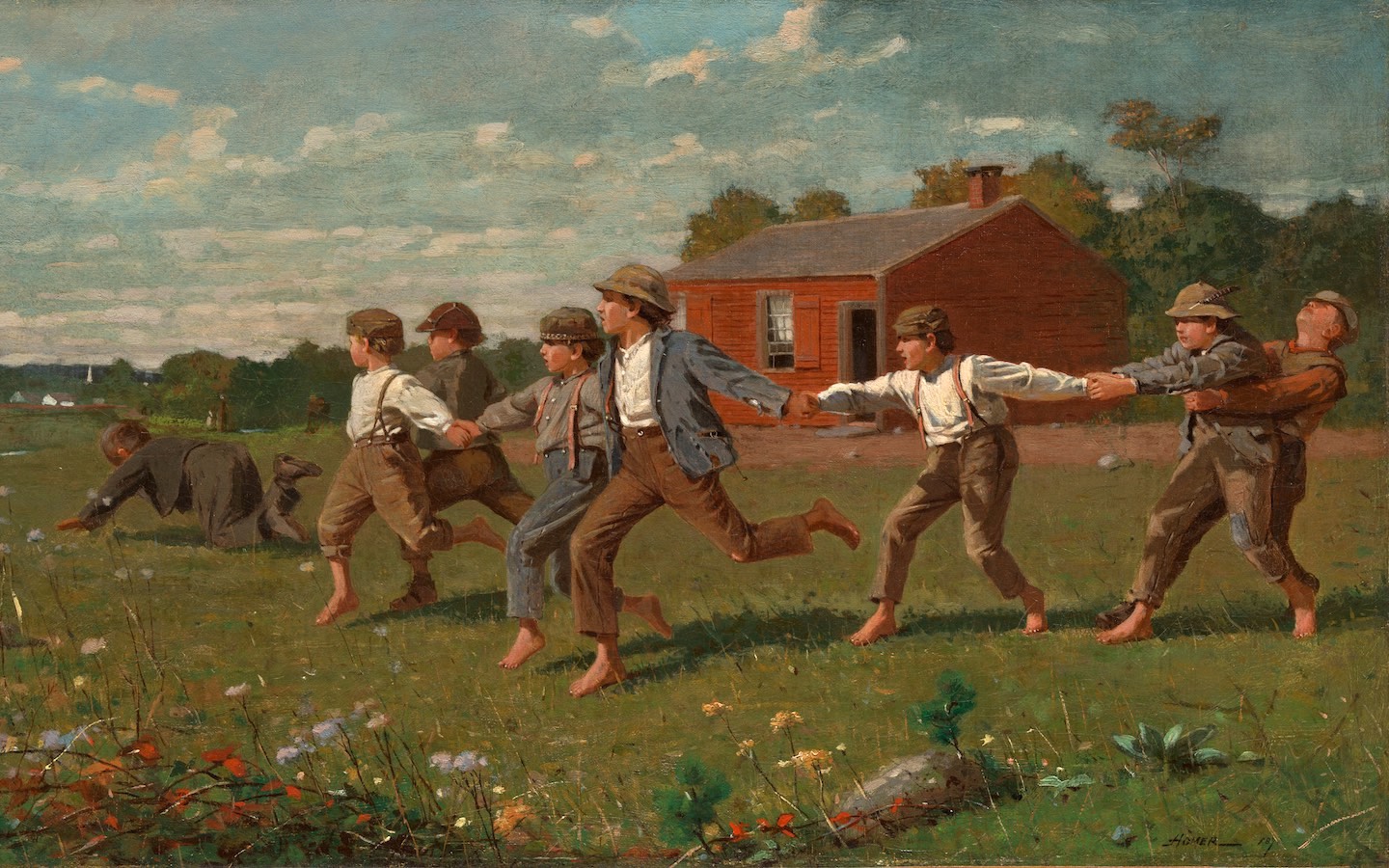
because we might be all status-seeking monkey anyway. and because “at the same time, taste games are supposed to be human nature.”