the good life
You chase novelty
Social media has rewired us to constantly seek novelty. You swipe until you find the fresh, new thing that grabs your attention. But unfortunately, that obsession with novelty is the single greatest risk to building the life you want.
The most meaningful things in life are built through the consistent execution of the very boring... See more
Social media has rewired us to constantly seek novelty. You swipe until you find the fresh, new thing that grabs your attention. But unfortunately, that obsession with novelty is the single greatest risk to building the life you want.
The most meaningful things in life are built through the consistent execution of the very boring... See more
Sahil Bloom • How to Live a Miserable Life
Your chronic need for certainty is making you anxious.
Want more? Do 2 things:
1. Check out my book Energy Rising
2. Join my newsletter: substack.com/@drjuliadigangi
#highachiever #energyrising #emotionalpower #anxietyexpert #uncertainty... See more
instagram.com🗣️”He leído una entrevista al filósofo y Premio Princesa de Asturias 2025, Byung-Chul Han, en la que dice cosas tan interesantes como que «la obligación de ser feliz genera una presión devastadora» o que «hemos convertido la felicidad en un mandato individual». En una obligación agotadora, añado yo.”
Así ha comenzado... See more
instagram.com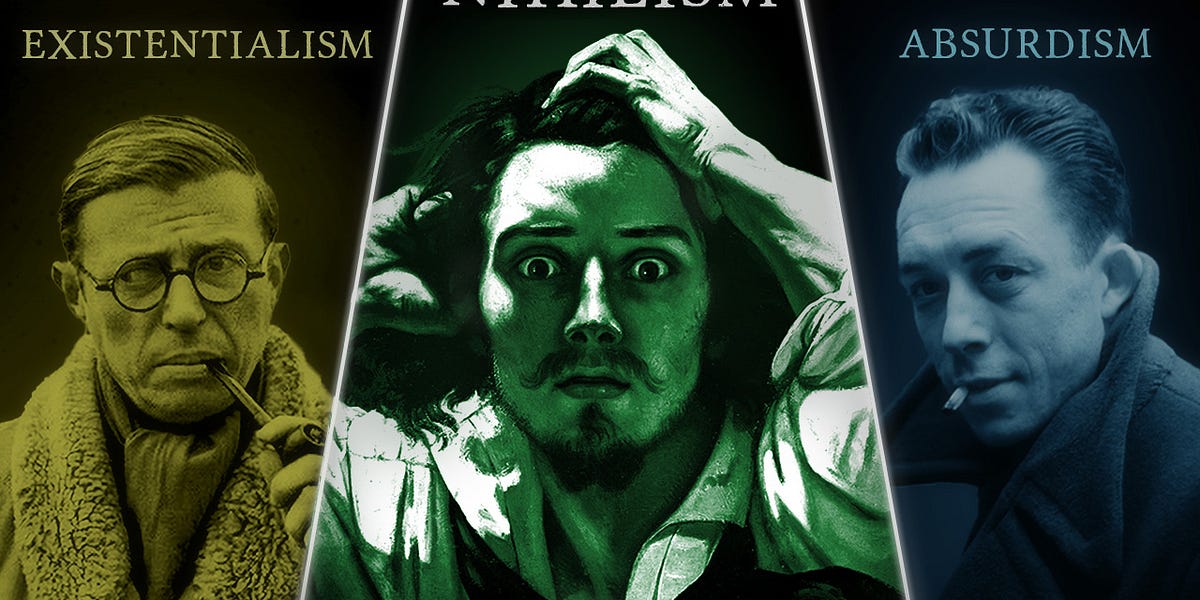
True happiness occurs only when you find the problems you enjoy having and enjoy solving.
Mark Manson • The Subtle Art of Not Giving a F*ck: A Counterintuitive Approach to Living a Good Life (Mark Manson Collection Book 1)

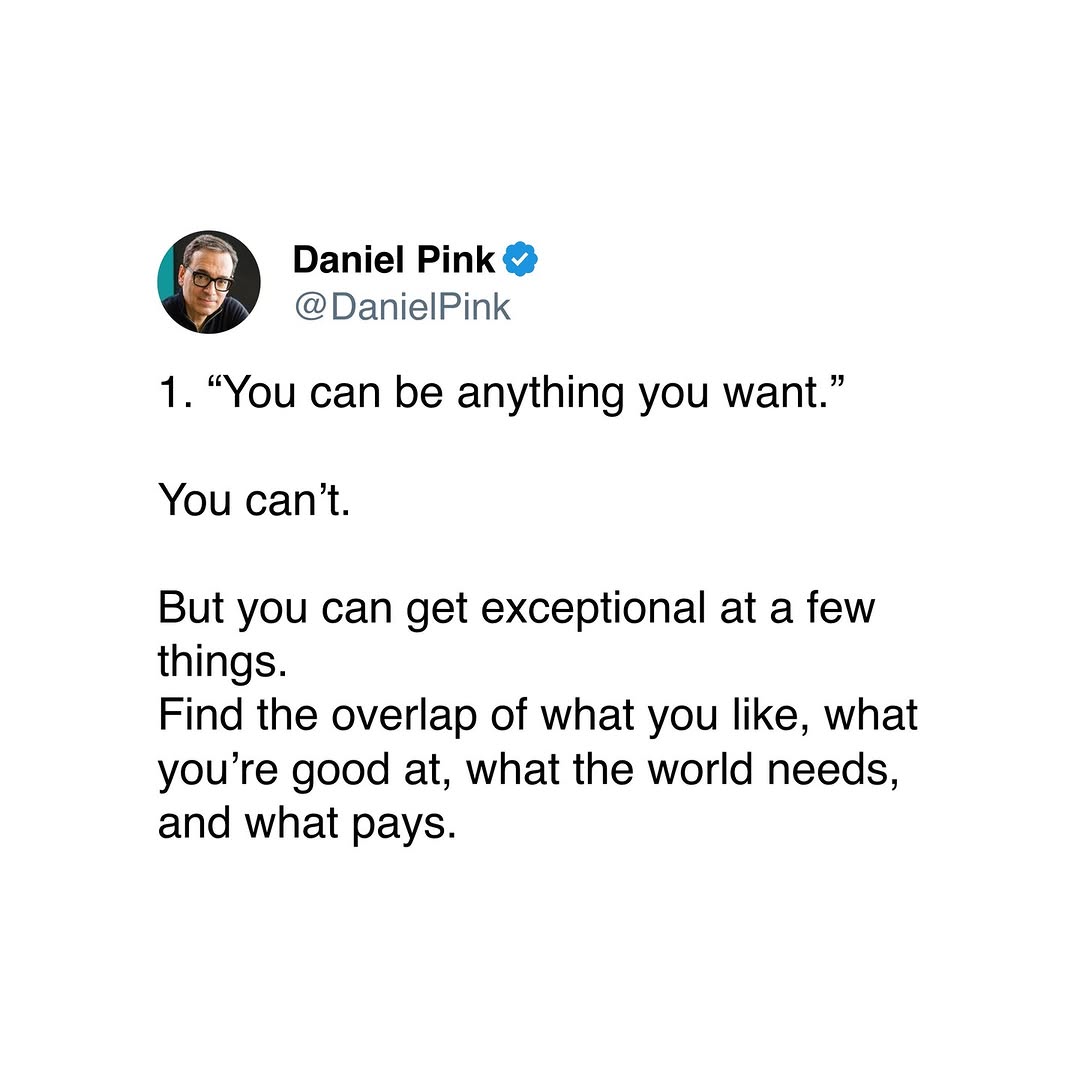
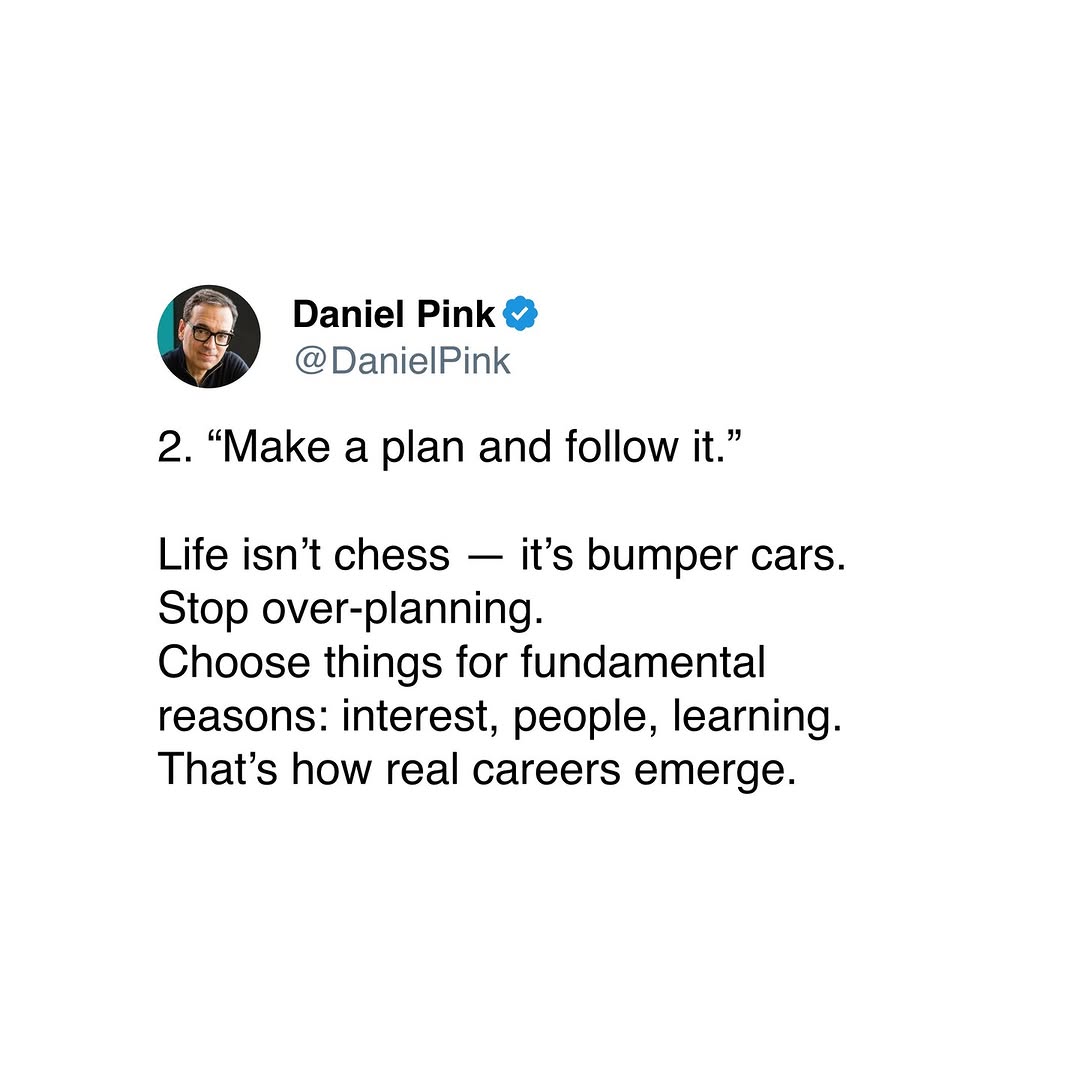
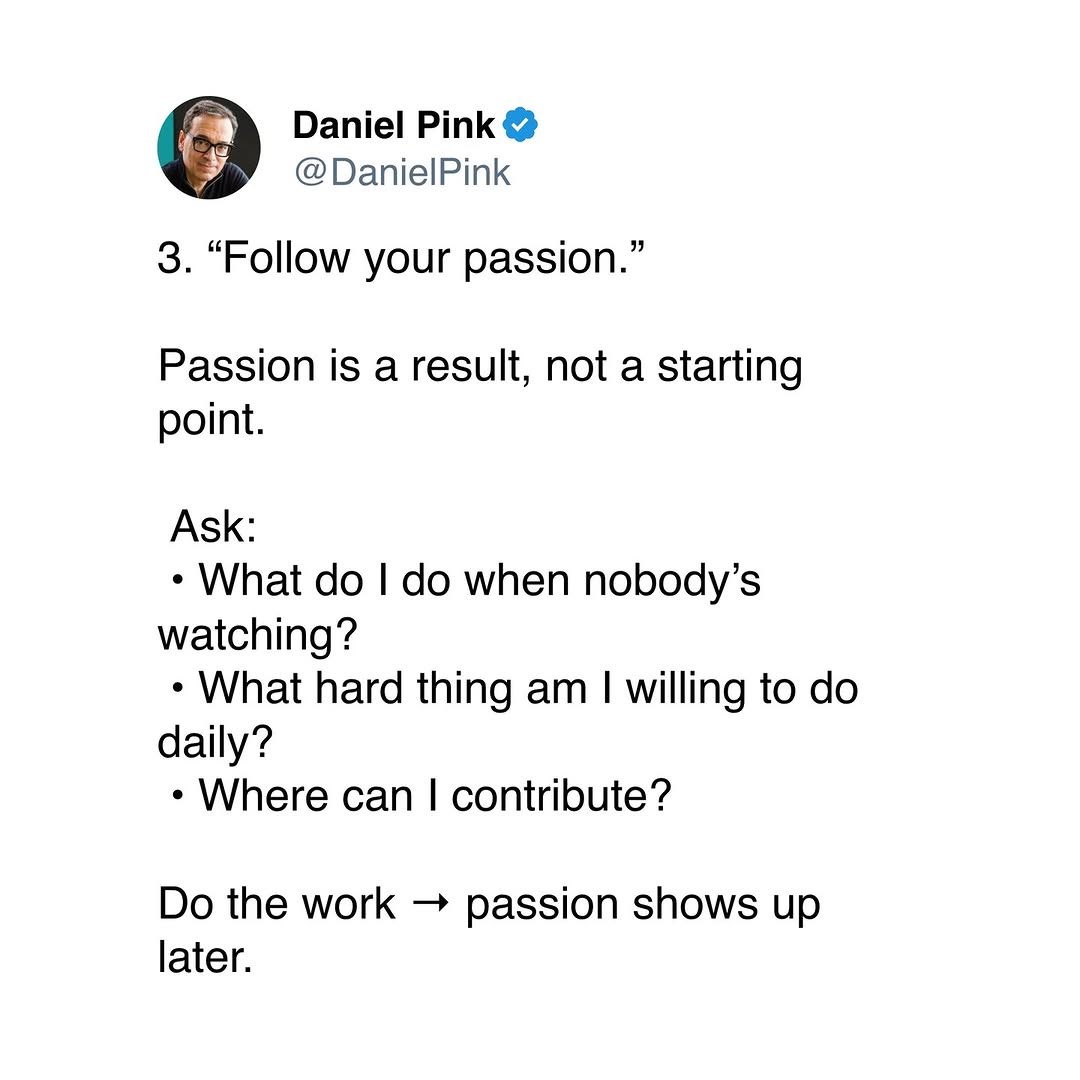
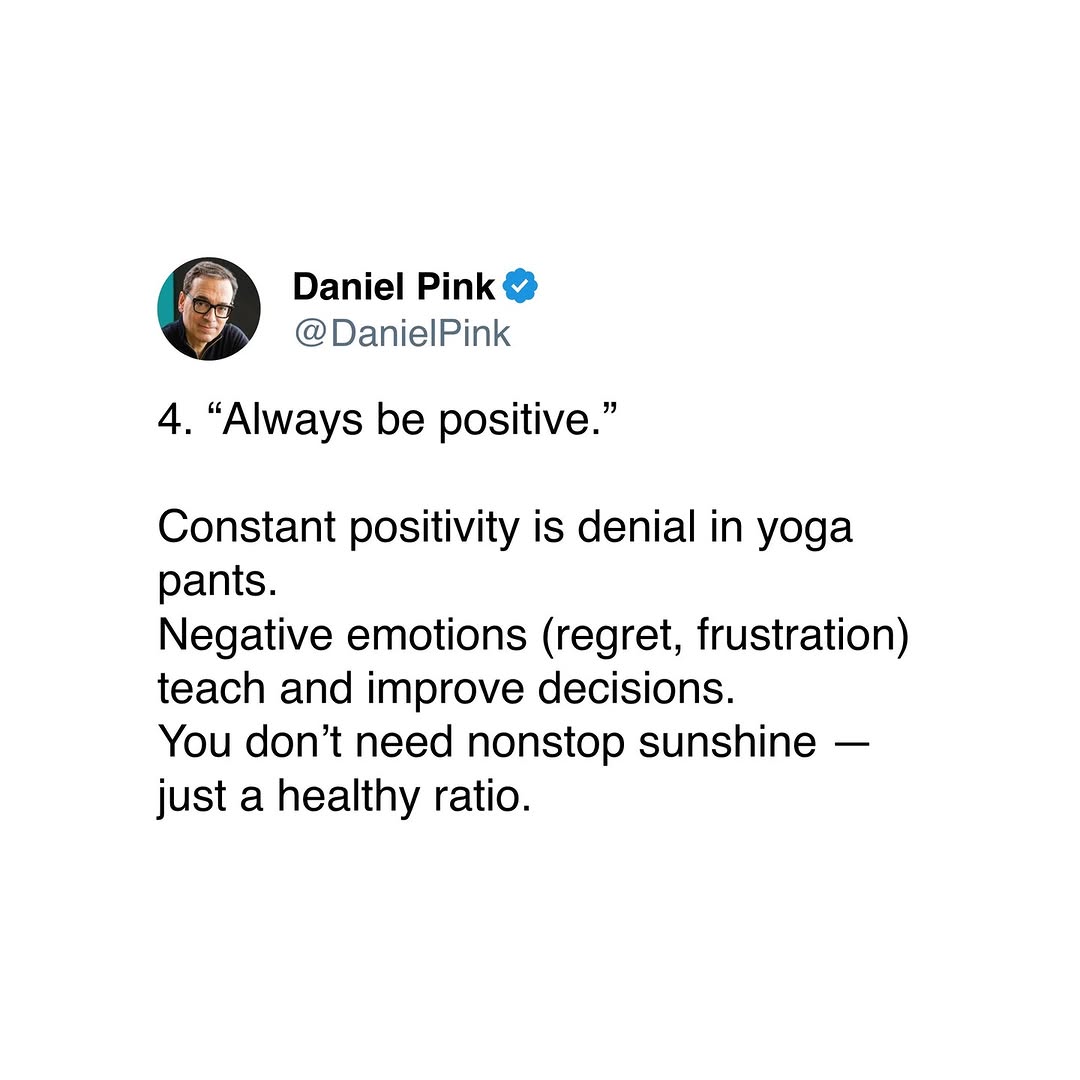
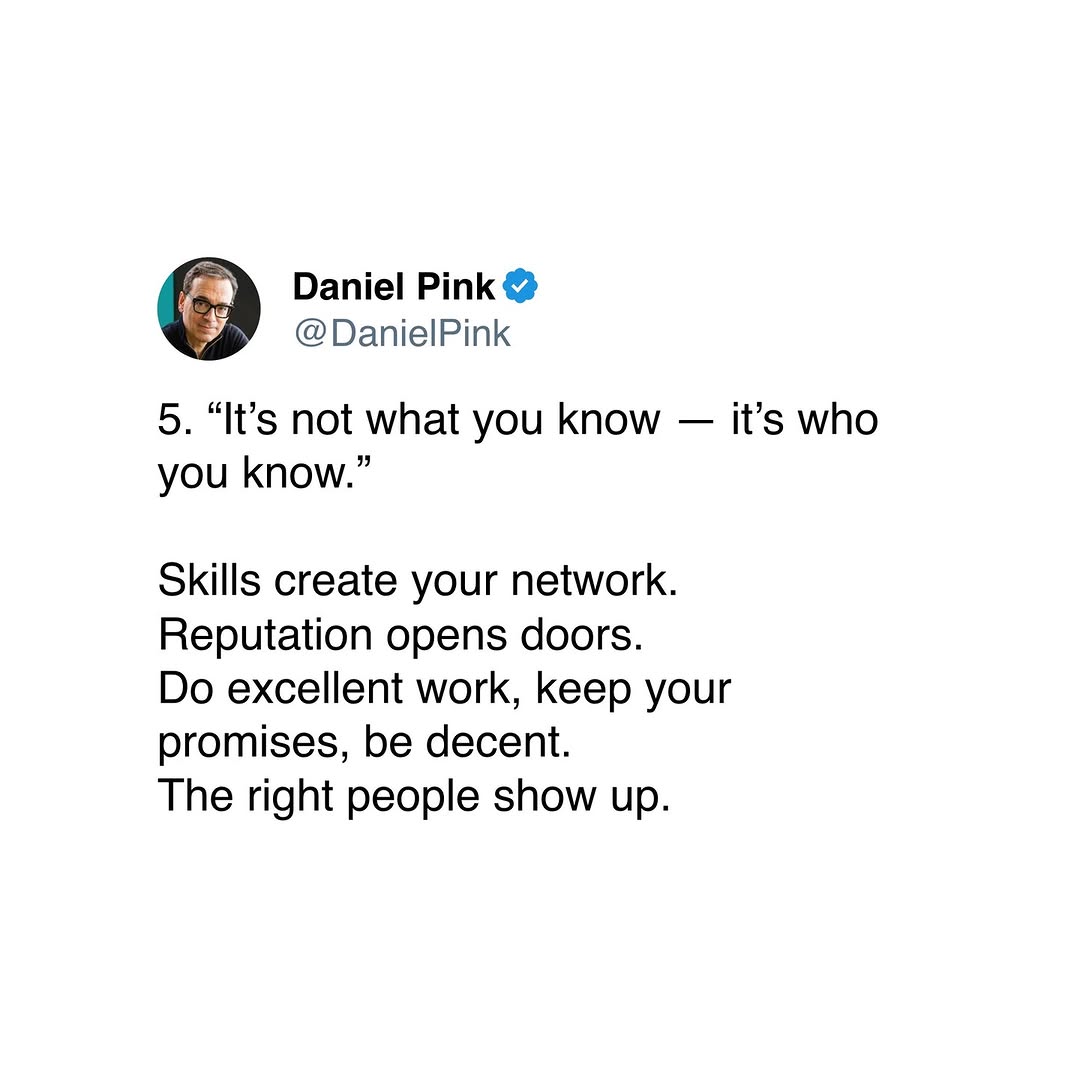
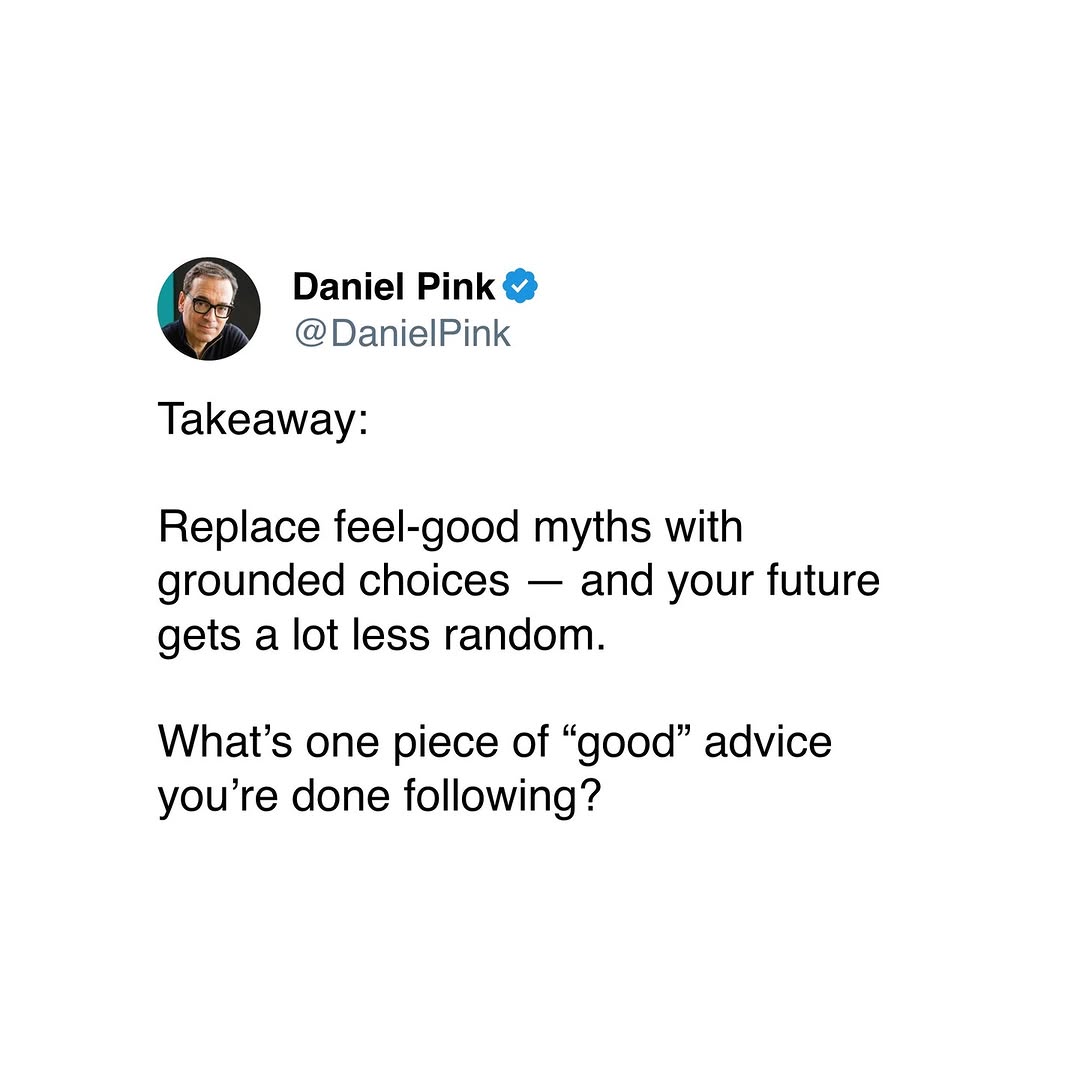
🔥 5 Popular Life Tips That Quietly Wreck Your Future
(And what to do instead)
Check my bio for the full video link!
danielpinkinstagram.comHow much more?
How many more quotes do we need to feel okay?
How much more advice before we finally change?
How many poems that almost explain us?
How many more rules about how to be human?
Eventually, you do find something that says exactly what... See more
instagram.com