Painting
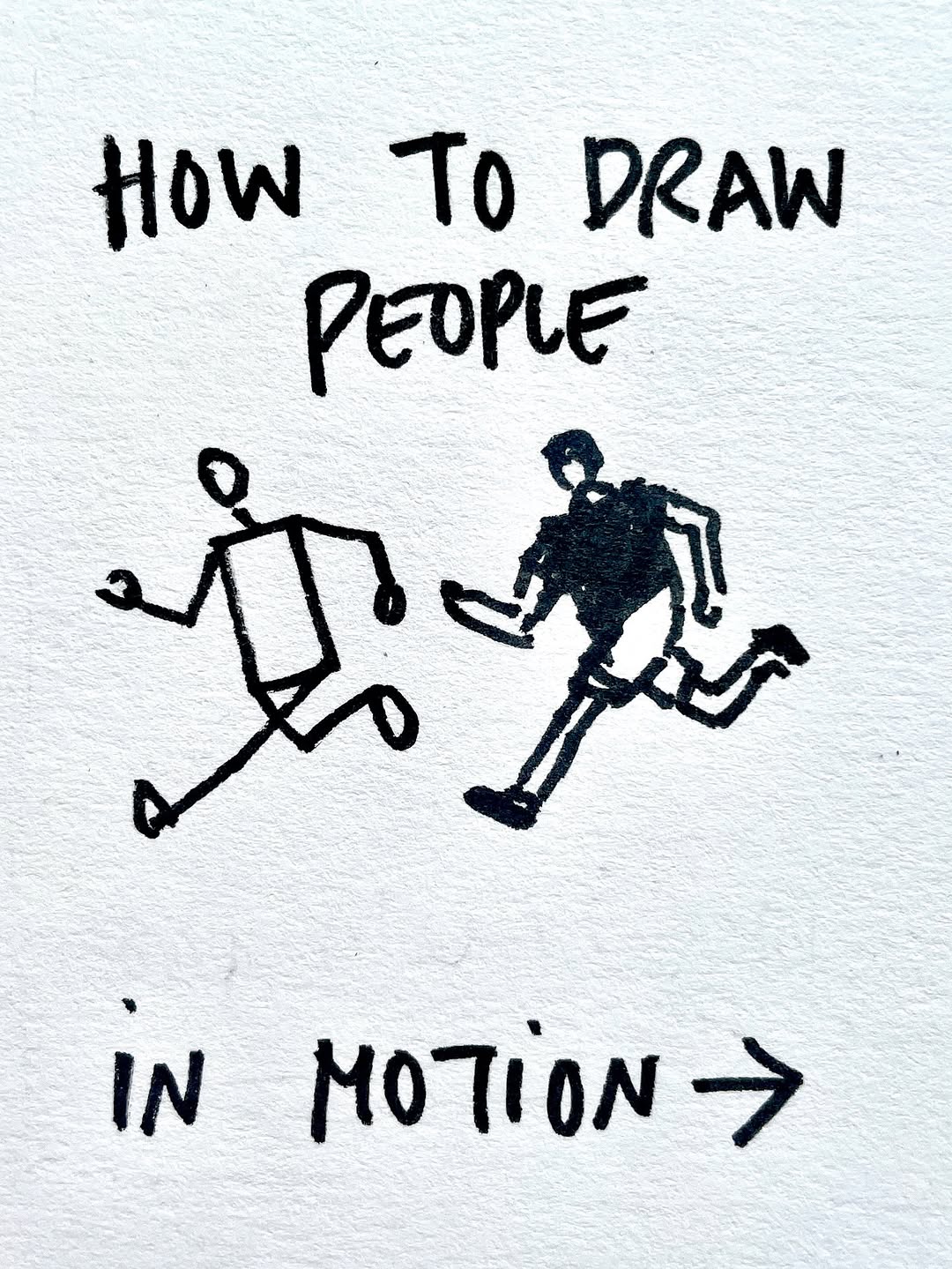
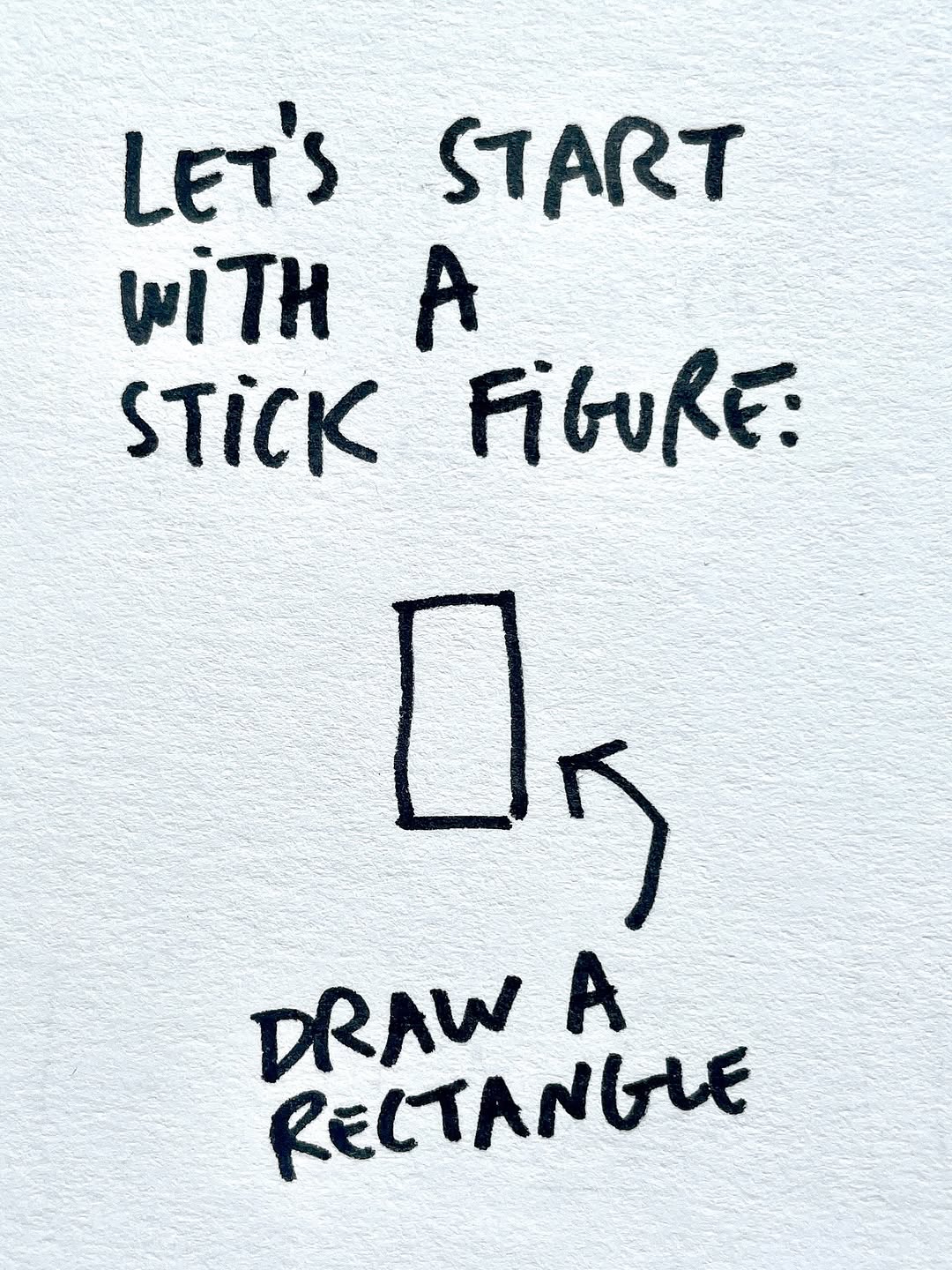
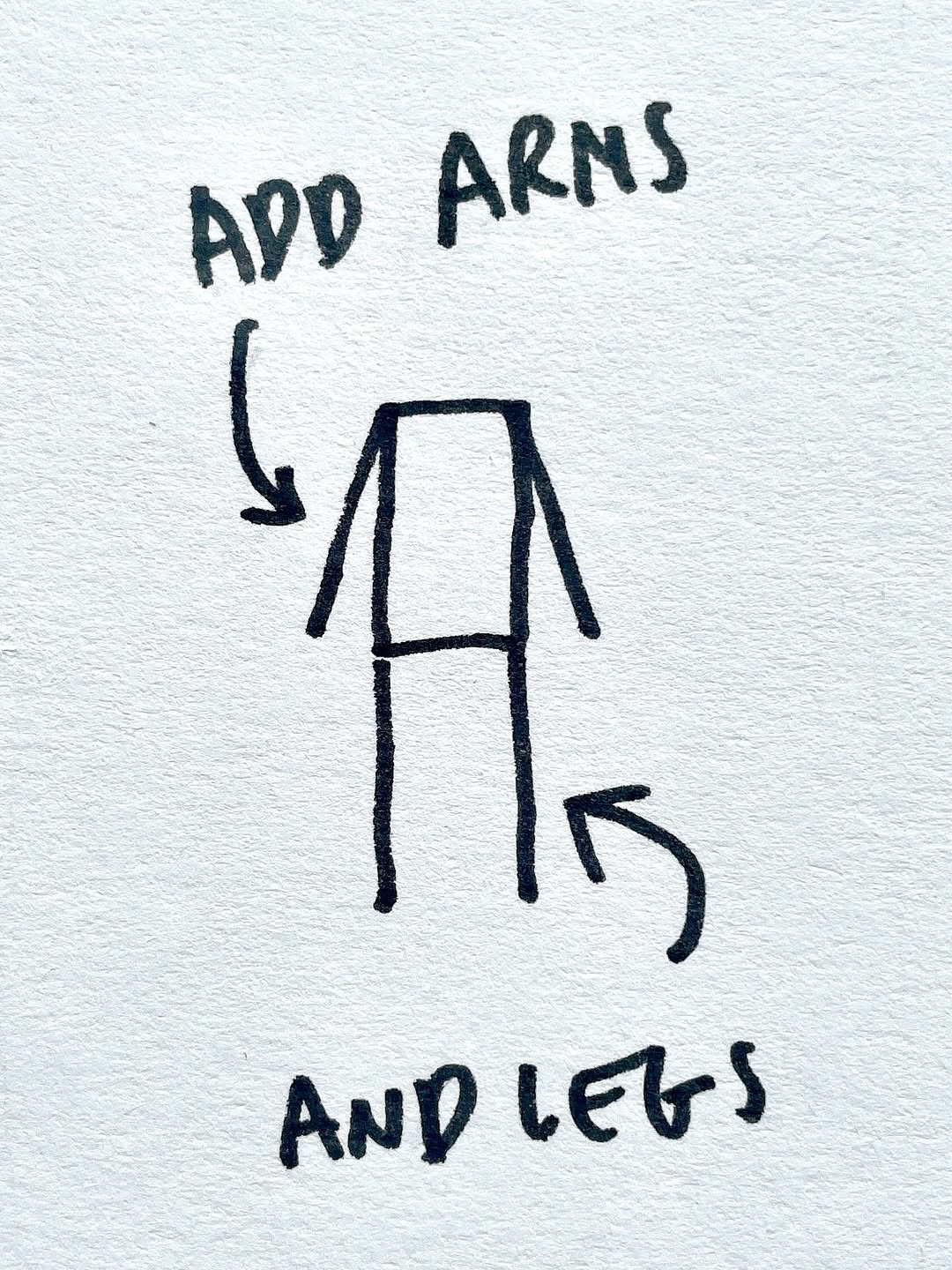
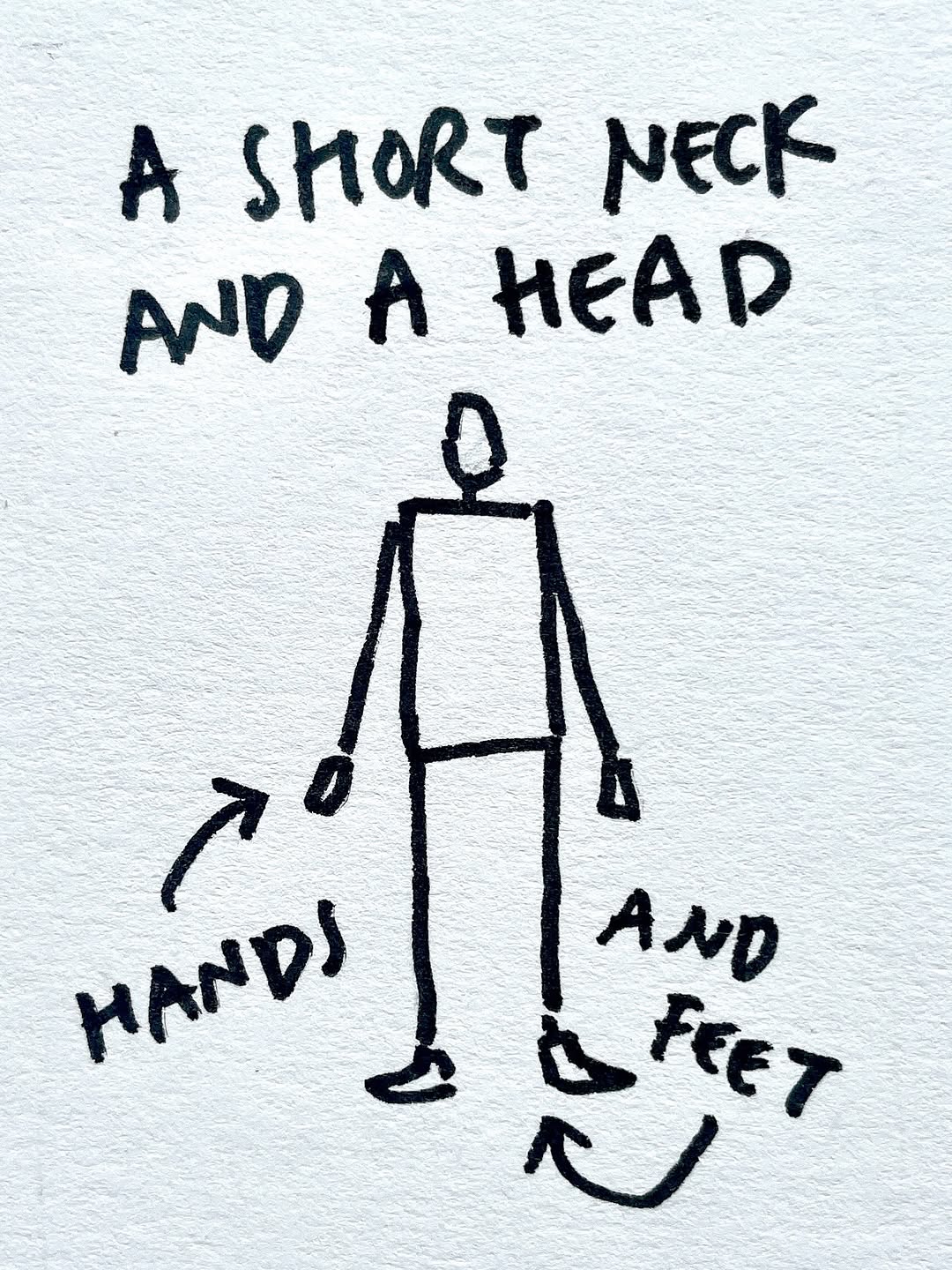
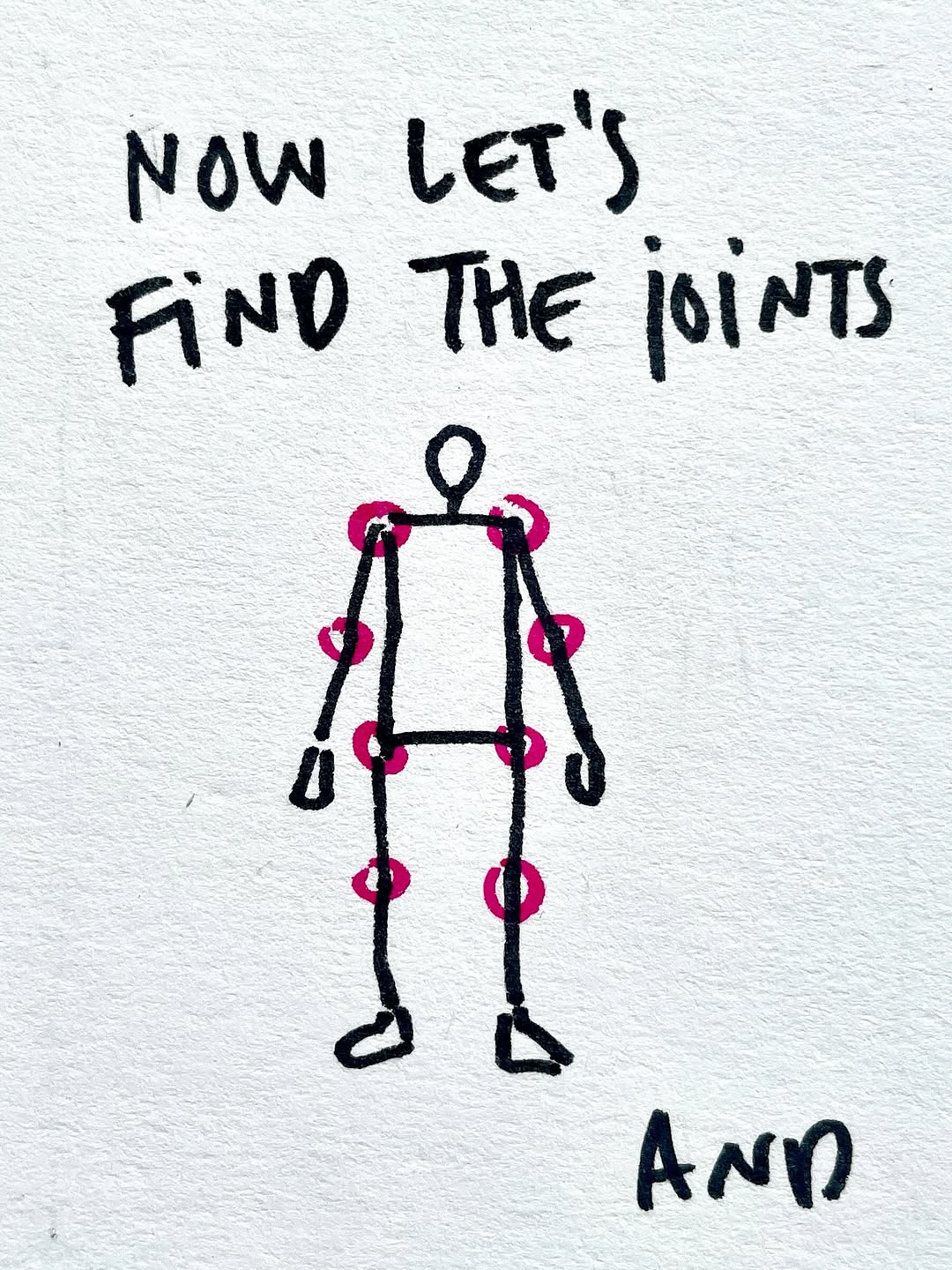
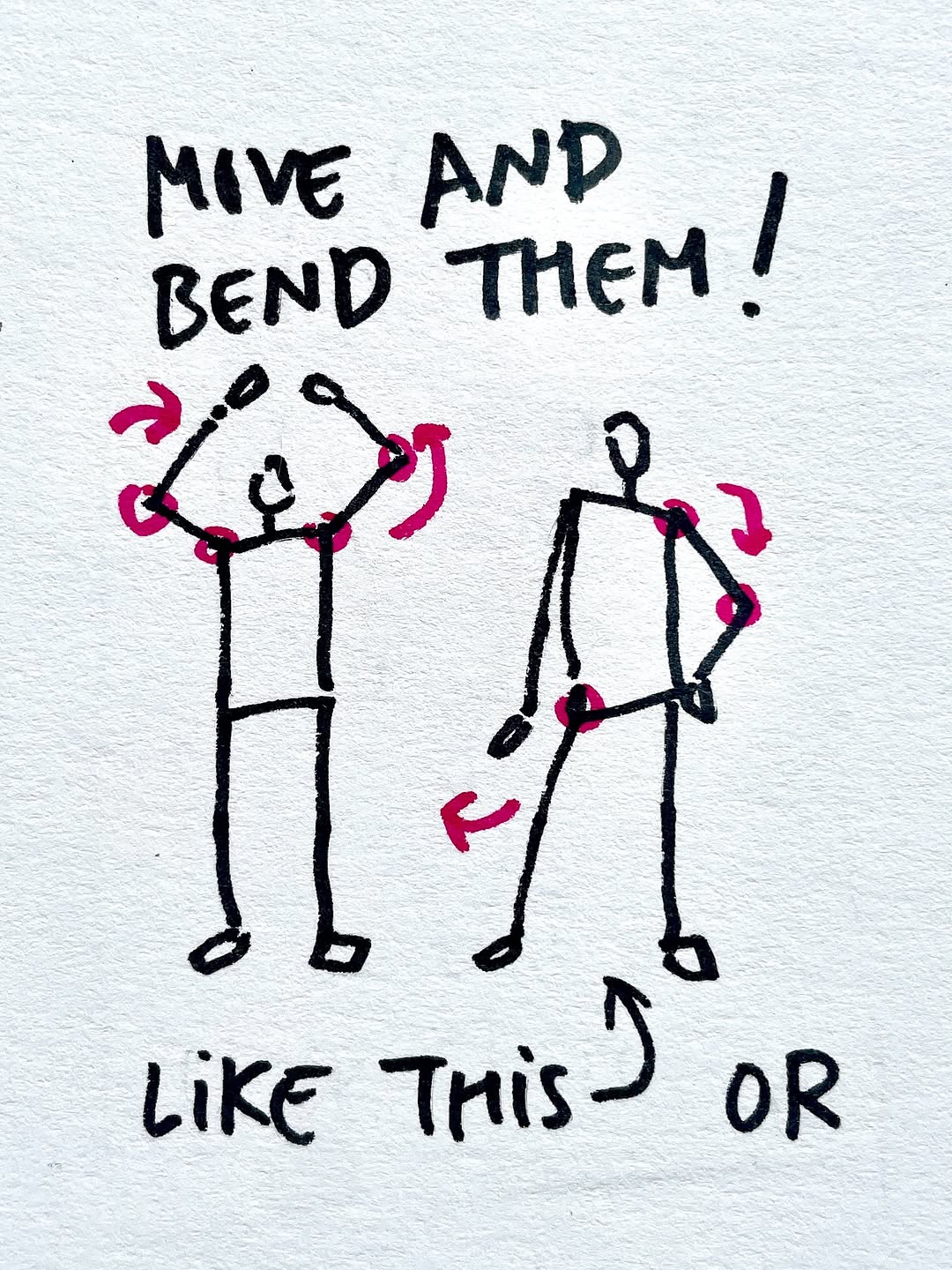
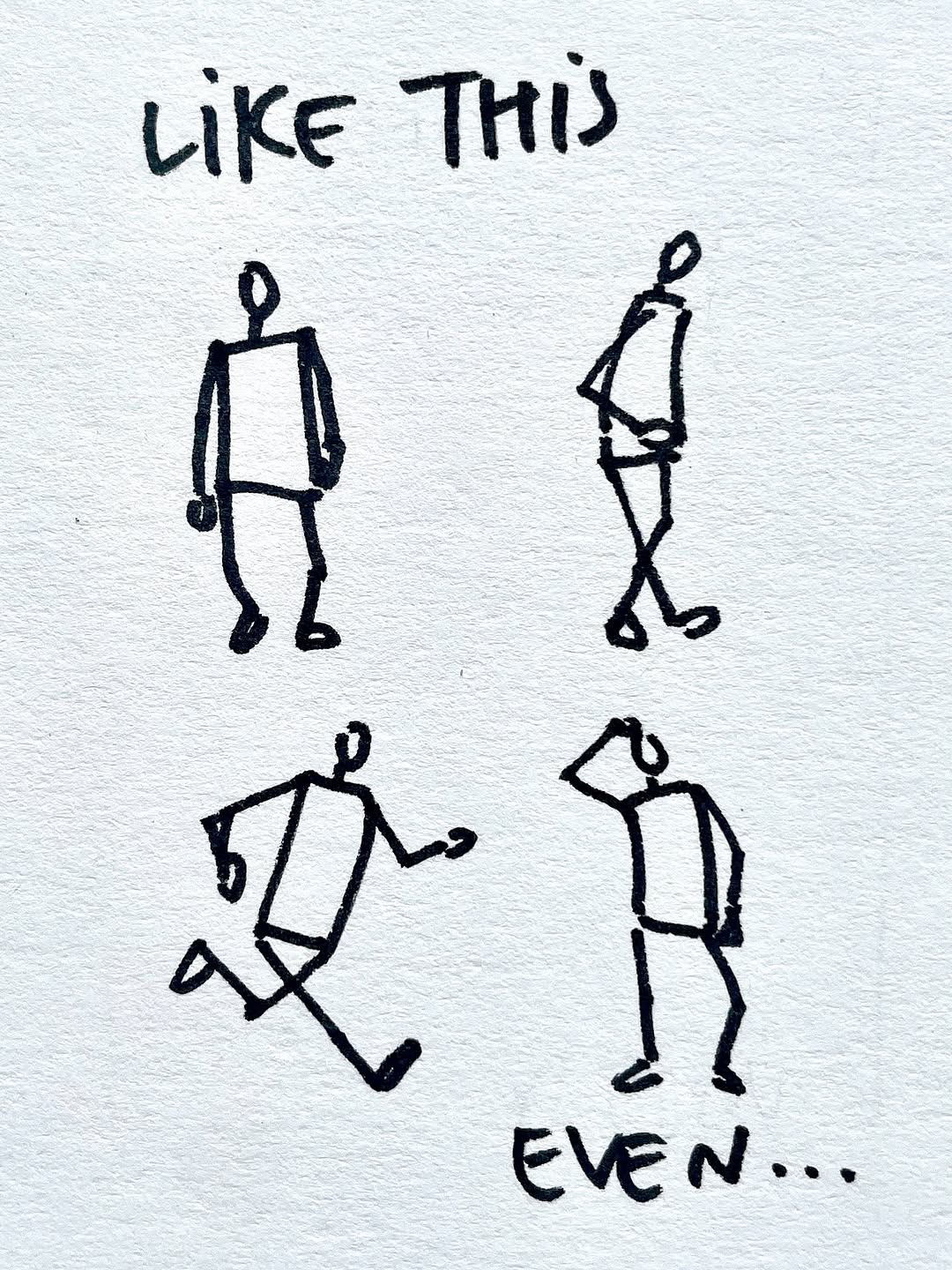
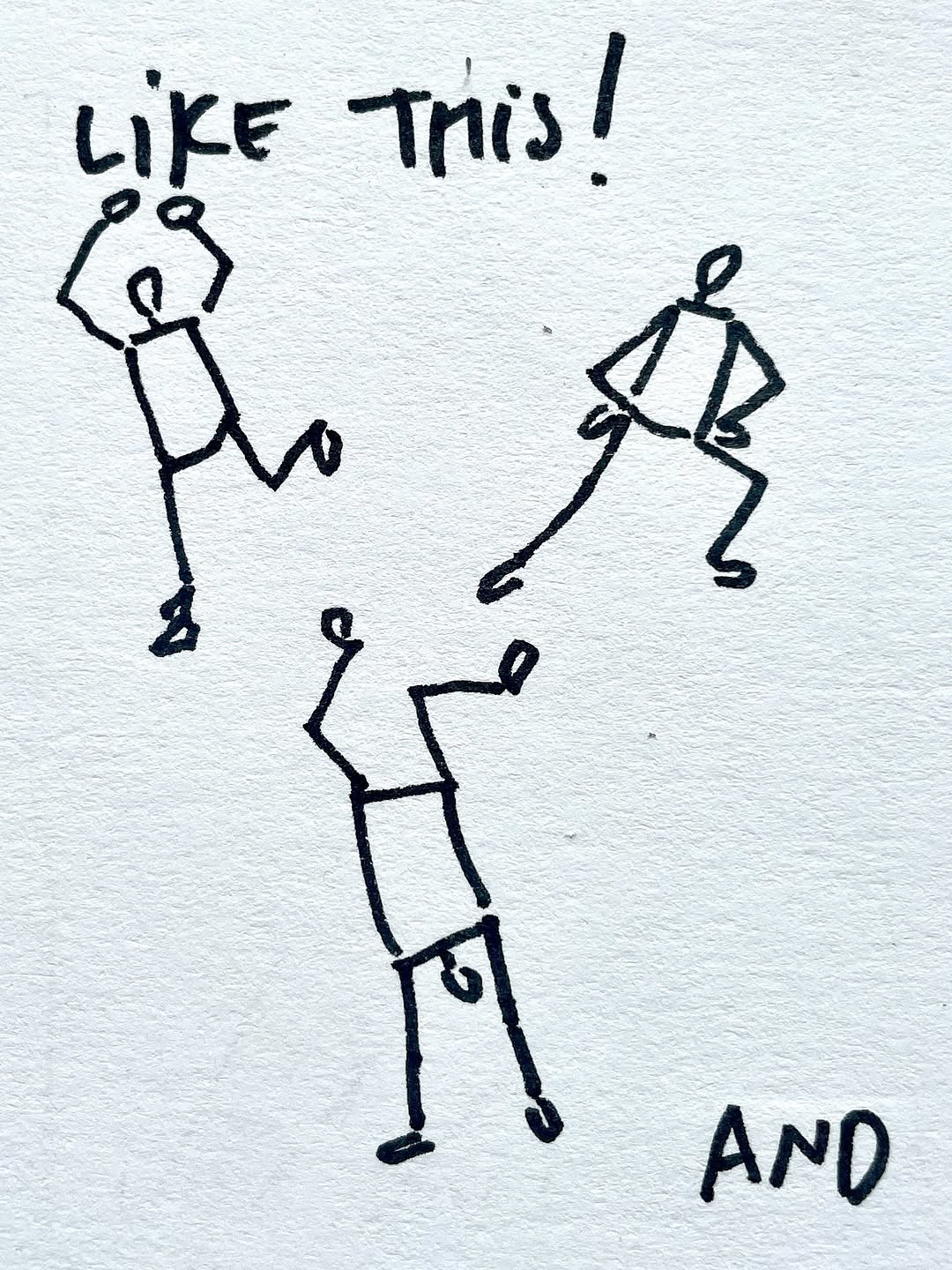
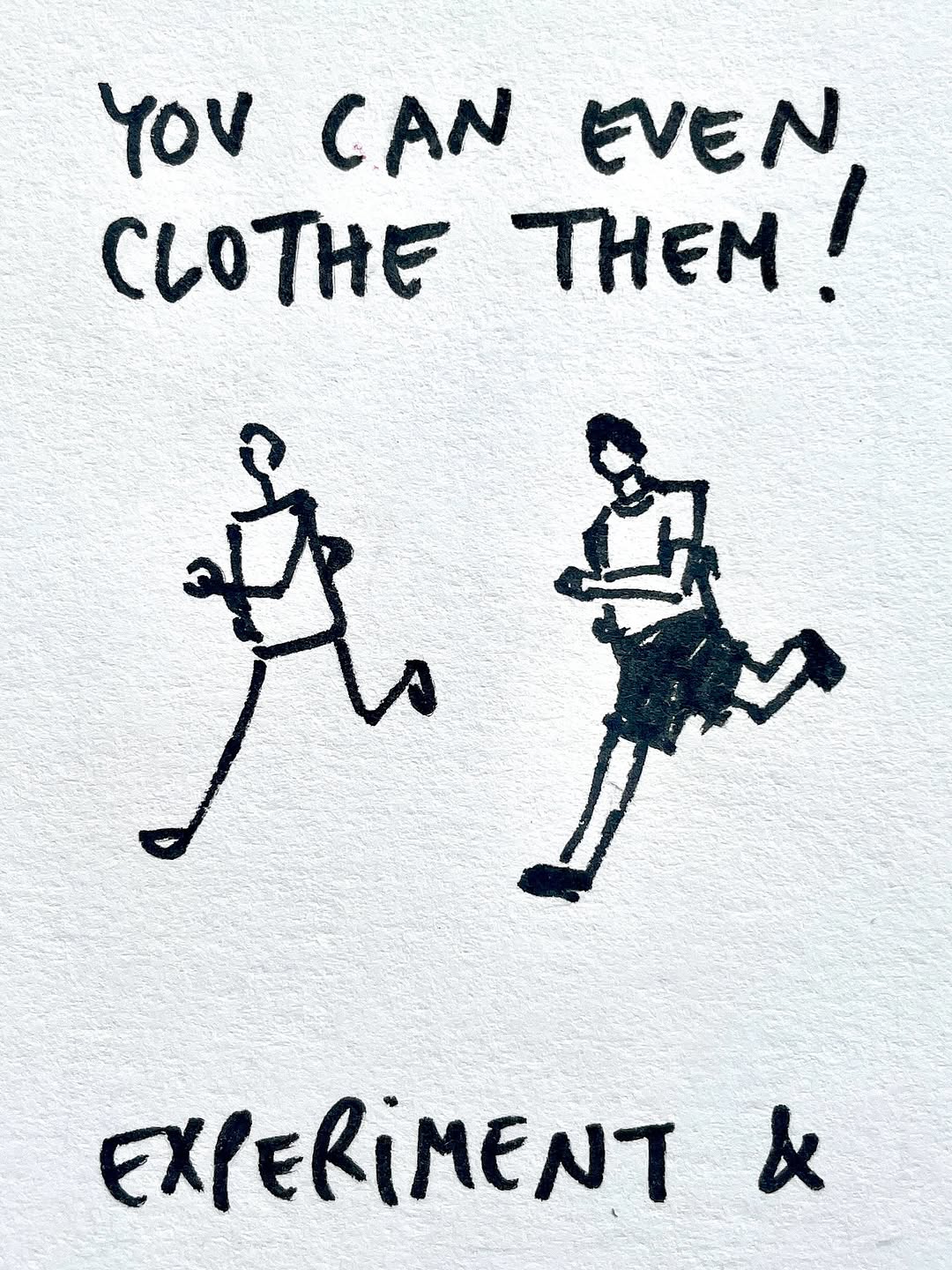
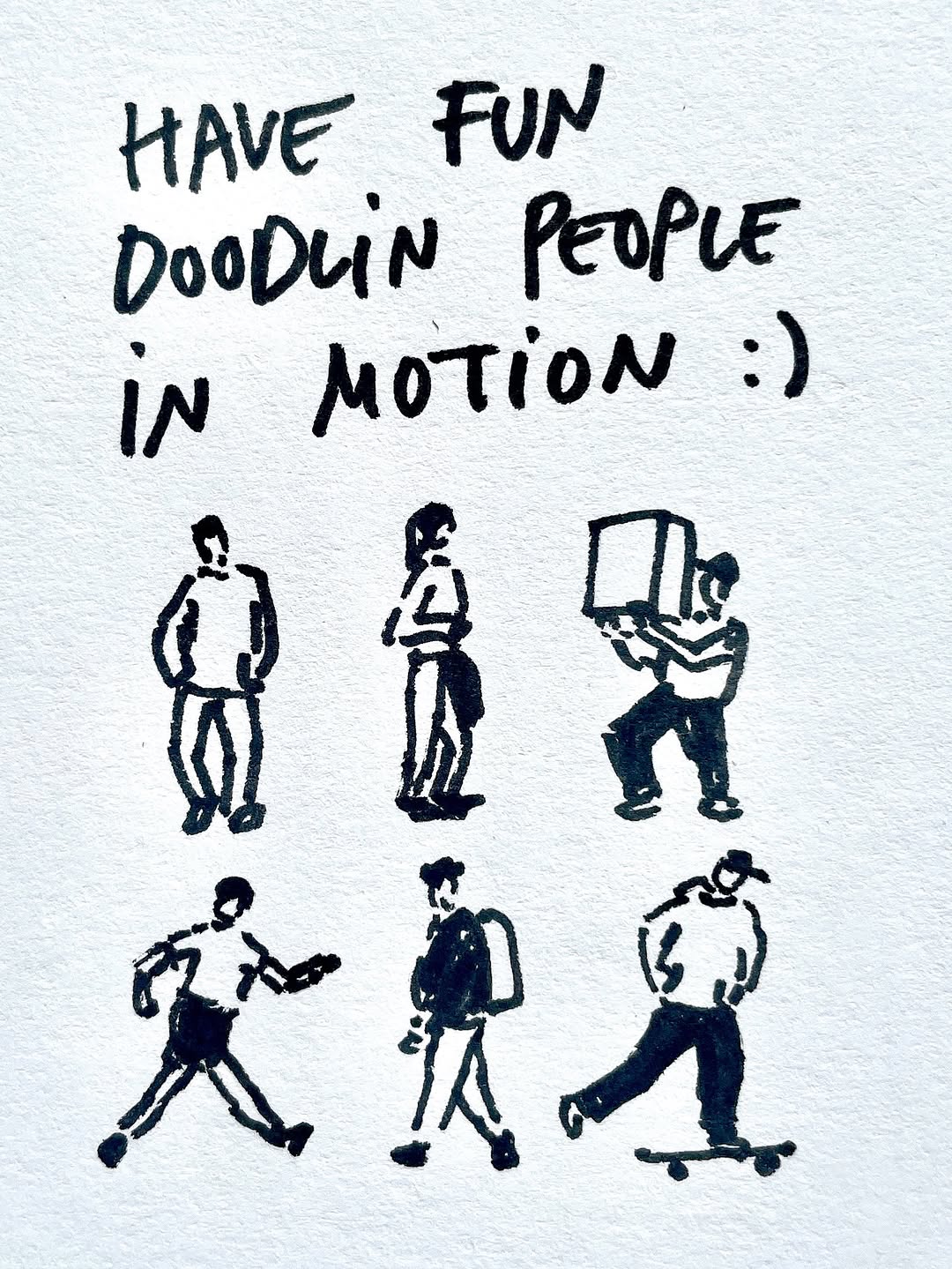

How to draw people in motion 🏃 🏃🏻♀️ 🕺🏻
Have fun 😊
Gasper from #Linescapes
instagram.comwhy picasso stopped painting well
youtube.comPicasso’s “Bad” Painting Was a Smart Career Move
The core dilemma
Early Picasso, Matisse and Kandinsky were highly skilled, classical painters.
They shifted to “naive” or abstract styles that can look unsophisticated.
The video argues this wasn’t incompetence, but a response to market reality.
Core tension: love of craft vs. need for money, status and visibility.
Art before cameras
Until the 1820s, painting functioned like photography: recording people, myths, religion.
Artists worked on commission under patronage from elites and the Church.
Technical realism was the main “weapon” of competence and job security.
Art was less about self‑expression, more about faithful representation.
Cameras changed everything
Photography took over realism and memory, forcing painting to justify its existence.
Impressionists pivoted with color and visible brushwork the camera couldn’t mimic.
Even impressionism eventually felt stale; audiences wanted “new.”
Result: the game shifted from accurate depiction to standing out and signaling status.
Picasso: from prodigy to provocateur
As a teen, Picasso painted with impeccable realism; his early work could rival old masters.
Living in poverty in Barcelona and Paris, he realized realism wouldn’t bring fame or money.
He rapidly cycled through blue and rose periods into Cubism, chasing what “stuck.”
“Les Demoiselles d’Avignon” (1907) was engineered to shock: prostitutes, masks, broken perspective.
Style as strategy, not decline
Picasso actively sought dealers and collectors, adjusting subject matter to what sold.
Controversy and provocation became deliberate publicity tools.
Once Cubism gained traction, he deepened it, then moved through neoclassicism, surrealism, and his own hybrids.
The “childish” later work reads less as technical loss, more as brand power: any mark with his signature drew awe.
Matisse and Kandinsky played the same game
Matisse mastered traditional painting before “Fauvism” scandalized viewers with violent color and loose form.
His breakthrough “Woman with a Hat” (1905) was radical enough to redefine his career.
Kandinsky moved from landscapes and figures to pure abstraction around 1910.
He wrapped his work in theory about color, spirituality and “freeing art” from nature.
Theory and spectacle as market tools
Painting increasingly became about ideas, shock and narrative rather than craft alone.
Artists used manifestos and essays to justify radical styles and differentiate themselves.
Critics and institutions rewarded conceptual depth and controversy with visibility and value.
“Loss of skill” often functioned as a tactical move to create a distinct, memorable personal brand.
From modernism to postmodern markets
In contemporary art, value is frequently tied to theory and institutional endorsement.
The video cites critics who say art now survives via curatorial language, not just aesthetic force.
Shock, scandal and strong opinions remain deliberate strategies for attention.
Quiet technical excellence without a story or controversy risks being ignored.
The money–meaning dilemma
After patronage, artists had to “make a name” to survive; brand replaced steady commissions.
Picasso, Matisse and Kandinsky faced the same trade‑off today’s artists face: purity vs. market.
Desperation and financial pressure pushed them toward bolder, riskier innovation.
The video notes experiments like Ireland’s “basic income for the arts” to ease this tension, but flags unknown side‑effects.
Why it Matters
The story reframes Picasso’s later work not as decline, but as a case study in how markets shape culture.
For leaders in creative industries, it underscores that incentives, scarcity and attention architectures drive artistic evolution as much as talent.
If systems only reward shock and theory, they will gradually crowd out quiet craft and nuance.
Takeaway: designing healthier creative ecosystems means being intentional about what behaviors—craft, controversy, concept or community impact—your institutions and capital actually reward.
What I wish I knew before I started learning drawing
youtube.comDrawing clicks when you train your eyes, not just your hands
Seeing beats “talent”
Creator has 3 years of self-taught drawing behind them.
Biggest shift: drawing is “really about seeing,” not magical linework.
Early mistakes came from trusting memory (tiny hands, giant eyes) instead of observation.
Improving meant rewiring the brain to notice true proportions and shapes.
Your brain is the bottleneck, not your pencil
The brain aggressively simplifies: “eye = almond,” “hands/feet = not important.”
That shortcut works for real-life recognition but distorts drawings.
Training means slowing down, comparing sizes, and checking angles against reality.
Observation practice can fix proportion issues faster than more “hand drills.”
Observation is a skill you can build
The creator shows old figure and portrait studies to expose recurring errors.
Patterns in mistakes reveal what the eye is ignoring (e.g., hand size, eye scale).
Systematically correcting what you “think” you see tightens accuracy over time.
Progress comes from iterating with this feedback loop, not chasing perfect lines.
Why it Matters
For leaders teaching or learning creative skills, this flips the focus: invest in training perception and critical seeing, not just reps. When teams learn to see more accurately—whether in art, design, or product—they correct hidden assumptions faster and improve quality with less wasted effort.
【一発描き】比率スケール法で描く!消しゴム不要の正確スケッチ術 | 建物・風景画を簡単に描くコツ
youtube.comOne-line method that makes building sketches click
How it works: ratio + reference line = fast accurate sketch
Set one “reference” line first (vertical or horizontal) near the area you’re drawing.
Treat that line as “1” and judge all other lengths as simple multiples or fractions of it.
Use this to block in squares, rectangles, then complex forms like AC units, windows, and roofs.
You can then draw buildings in one pass, with no eraser, just by matching proportions.
Pro tip: keep changing your reference line
Don’t stick to one baseline for the whole drawing.
For each new part (e.g., partition in an AC unit, first-floor roof, windows), pick the closest line as the new reference.
Compare: “this is about 1.5× that,” or “the roof height is ~1/5 of the second floor.”
This local comparison keeps overall balance tight even in complex structures.
From simple cubes to full houses
Start with small objects (like an outdoor unit) to practice: vertical reference, then 1.5× horizontal, then internal partitions.
Move to a house: second floor rectangle, then roof apex at the right fraction of that height.
Repeat the same ratio logic to add connecting roofs, awnings, doors, and windows.
Finish by layering details (tiles, plants, sliding doors) using the same “ratio from a nearby line” habit.
Why it Matters
This proportional scale method gives artists, architects, and designers a mental scaffold for drawing anything structural without relying on grids, rulers, or endless erasing. By training your eye to think in ratios from local reference lines, you sketch faster, more confidently, and with consistent perspective and proportion—ideal for leaders who need quick visual communication, not perfectionist drafts.
Josef Albers: The Magic of Color | ART+COLOR
youtube.comWhy Artists tone the canvas before starting a painting.
instagram.com