Filmmaking
This is the first in a series where I talk about films, books, and other work that connect to this project's walking practice - things I've encountered that change how I think about observation, place, and moving through the world.
#walkingarts ##uponmysole psychogeography #filmreview #iranfilm
instagram.comPlanting the seed, then breadcrumbs to the answer. @digital_spaghetti @theoddanimalspecimens
jackconteinstagram.com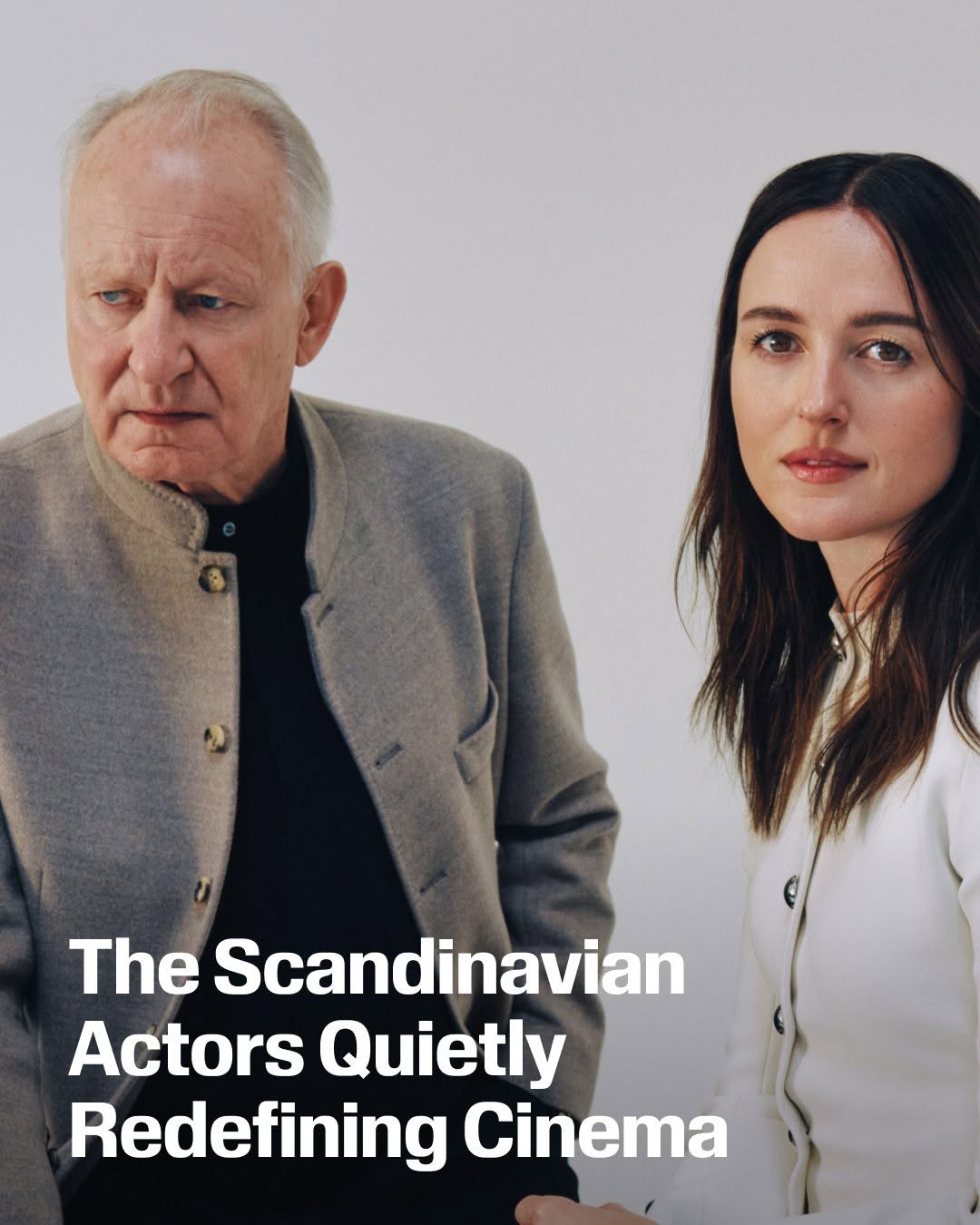
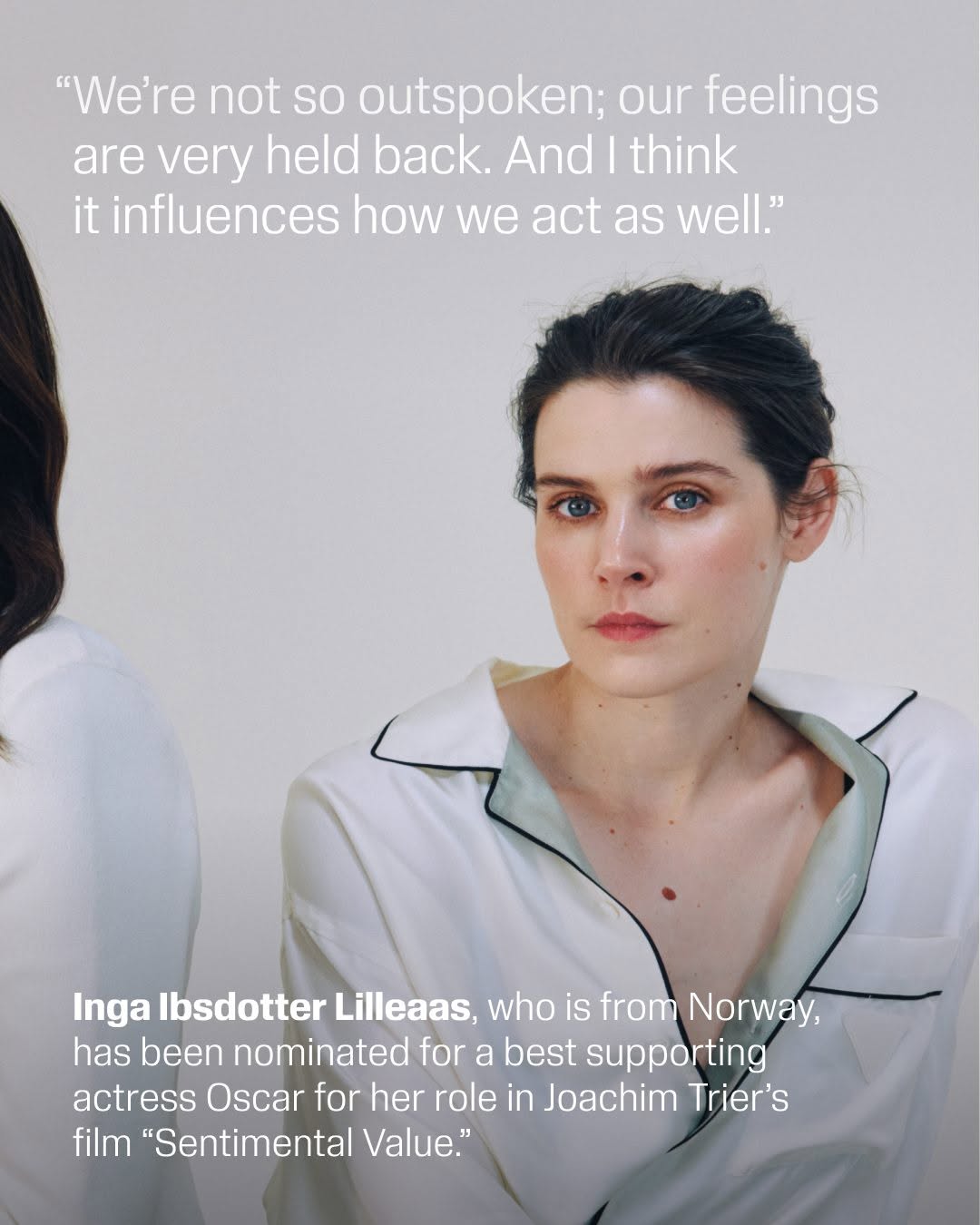
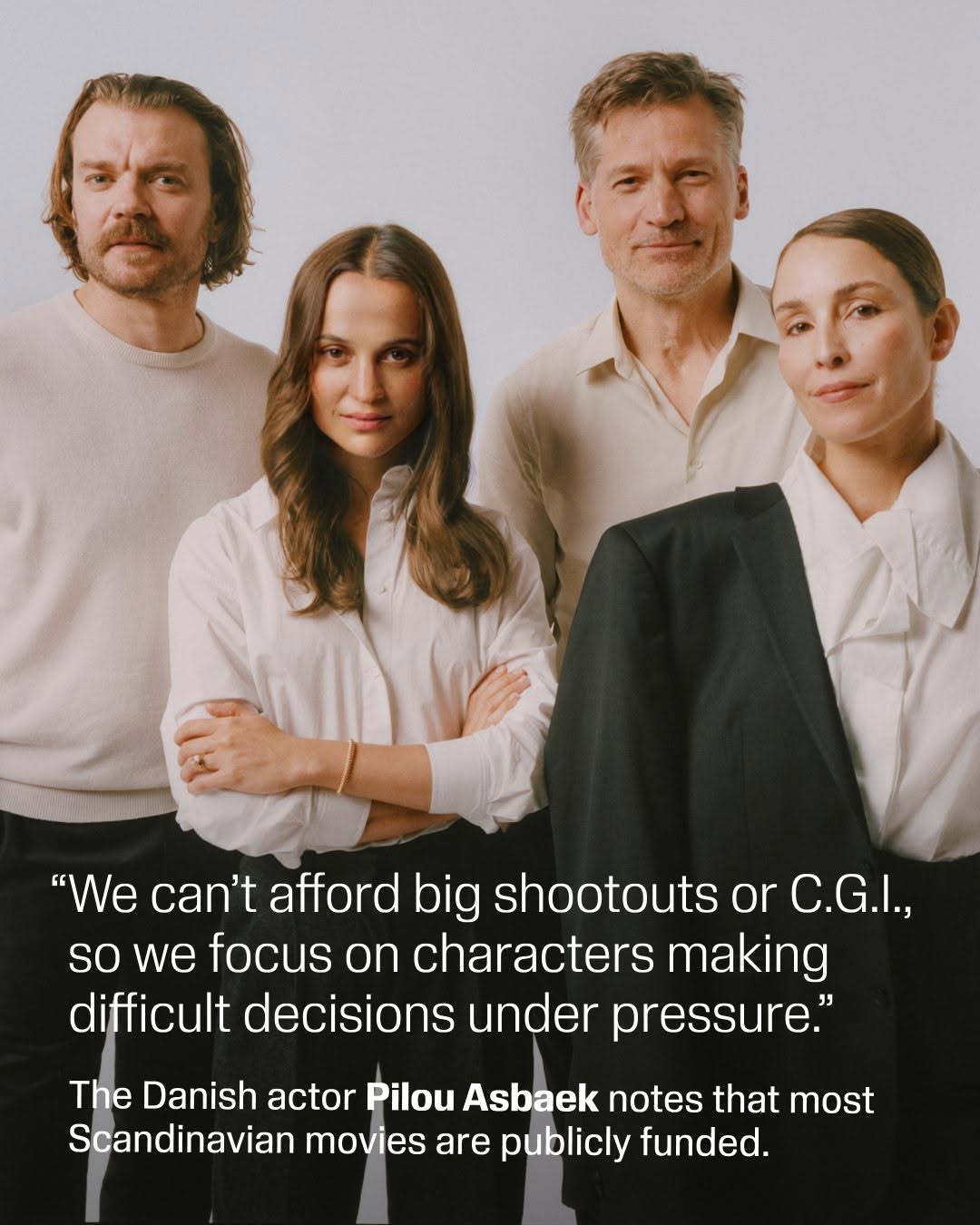
In Joachim Trier’s “Sentimental Value,” a veteran Swedish Norwegian director named Gustav Borg (Stellan Skarsgard) tries to leverage a new project to reconcile with his estranged daughters in Oslo, an actress named Nora (@renatereinsve) and Agnes (@ingalilleaas), a historian. The film has been nominated for nine Oscars, including Best... See more
instagram.comAhead of the Oscars ceremony this week, I put out a list of the rankings of the Best Picture nominees. Lots of folks didn’t understand why I ranked “One Battle After Another” so low. Here’s why.
Also highly recommend reading the piece written about this film by brookeobie on Substack.... See more
instagram.comRoger Deakins uses subtlety as a defining characteristic of his interpretation of the art of Cinematography.
This scene uses a dedicated eye light on a dimmer to brighten the eyes as Andy turns up the music. The eyes, after all, are the window to the soul. It’s the soul of the character and his resolve to spread hope... See more
instagram.comStealing Steven’s process for a week 🎥 #stevenspielberg #creativeprocess #writing #writingprocess #director
instagram.comYes, having biceps is impressive, but let’s not equate a good fit with super tight clothing! What do you think?
[men’s fashion, men’s styling tips, men’s styling mistakes, how to identity a good fit, T-shirt styling hacks, well fitted sophisticated outfits, best stylist recommendations, personal stylist for women and... See more
instagram.com