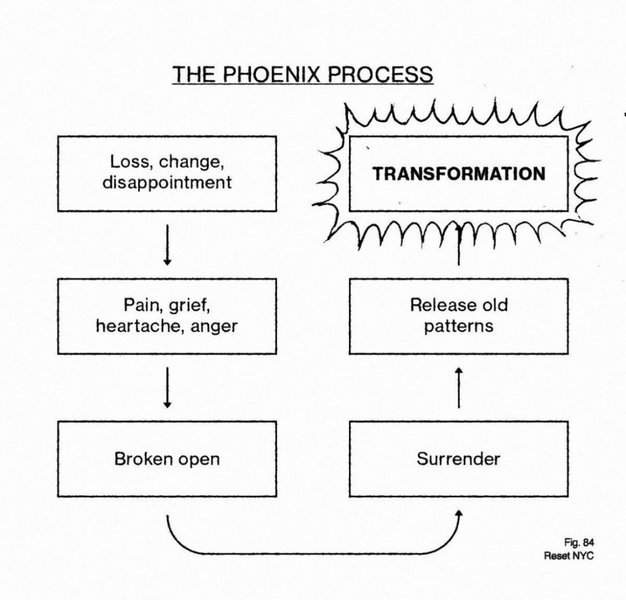
When there is a lack of interoception, we’re unable to fully feel the sensations associated with emotions. Unfortunately, this means they remain beneath our conscious awareness and instead are projected onto others — or we find ourselves emotionally overreacting in ways that are rarely conducive to our long-term goals.
Let’s say someone has both a high-functioning theory of mind and an overflowing well of compassion. What then? Well, this is what Hoffman calls “empathic over-arousal.” A person will feel so worn down by the intensity of other people’s emotions that it wears them down — it turns their distress into my actual distress. This might not seem like a bad... See more
This may seem like a dumb question, but have you ever thought about how it is that people can feel their emotions? The answer is that they pay attention to their body. Experiencing an emotion is primarily noticeable based on bodily sensations. People don’t always consciously notice that this is what they’re doing because it’s become so automatic,... See more