Anything AI
To succeed, technology that seeks to remove the friction of our lives (or accomplish tasks with supreme efficiency) must also recognize the unsaid, sometimes irrational reasons we actually use an app or service. These are the unsaid reasons we do what we do, and in an increasingly automated world managed by technology that optimizes for efficiency,... See more
Scott Belsky • Where Is Consumer AI, Unsaid Reasons We Use Products, & Uncommon Practices for Innovating in Big Companies
Where Is Consumer AI, Unsaid Reasons We Use Products, & Uncommon Practices for Innovating in Big Companies
Scott Belskyimplications.comI don't care if a robot wrote it. If it's good, it's good.
mail.google.comWe’ve seen this happen so many times. AI programs master the perfect New Yorker short story format, and then we all decide the format is busted, and we’re onto the next thing. We know this about art, right? First, you have to master the basic technical skills. Credit where it’s due, AI technologies have ascended that slope, and you can get... See more
Quit Optimizing for Algorithms. Make Something Weird.
RS: Absolutely. They always talk about a model scoring 99.7% on a test. Well, how about a joke test? I confidently presume the answer is currently no, and I think it stays no for a long time, even at their most capable. This isn’t a moralistic “go humans” judgment; it’s the technical reality. They operate on a probability distribution of data. I... See more
Quit Optimizing for Algorithms. Make Something Weird.
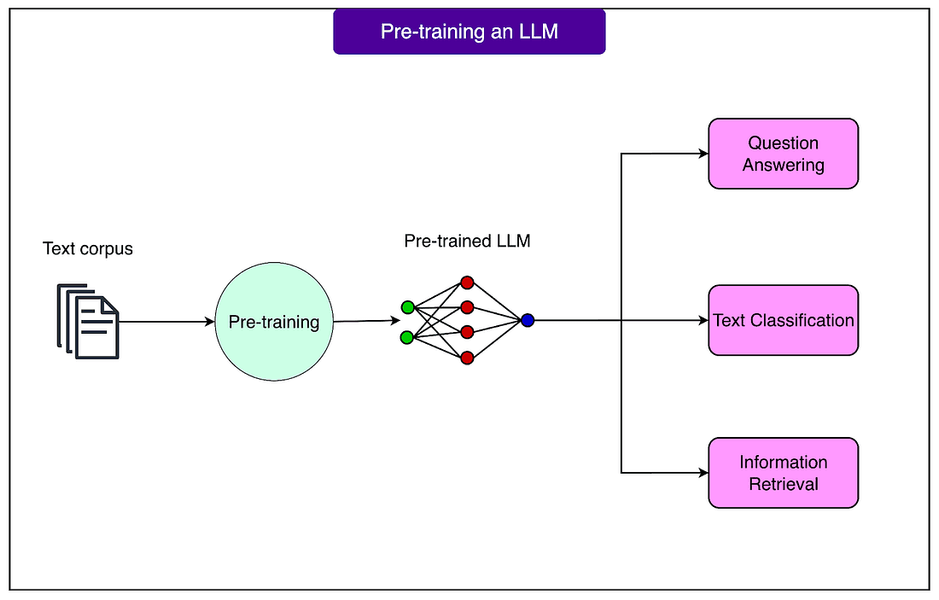
Training a model like GPT-3 reportedly costs over $4 million in computational resources alone. The process requires thousands of specialized processors running continuously for months, consuming enough electricity to power hundreds of homes for a year. These models train on datasets containing hundreds of billions of words, essentially reading more... See more
How Fine-Tuning Transforms Generic AI Models into Specialists
Things I ALWAYS Do Before Launching New Apps (4 Apps, 100% Profitable)
youtube.com“No more UI: once superintelligence arrives in 2030, there will be no UI design, since users will be using their agents instead of interacting directly with websites or traditional software.” — Jakob Nielsen