Better thinking
In New York, people speak fast. In the American South, they speak slowly. Both of them are a form of politeness, understood in a different way. In New York, you speak quickly because you respect the value of the other person’s time and you don’t want to take up too much of it. In the South, you speak slowly because you want to respect the person by... See more
Adam Grant • Are We Too Impatient to Be Intelligent?
The world is combinatorially weird and fractally interesting. And therefore, omnivorous curiosity is the only proper response. ... let’s optimize instead for the interesting, the strange, and the weird. Ideas and topics that ignite our curiosity are worthy of our attention, because they might lead to advances and insights that we can’t anticipate.
📡 No.317 — From utopian Star Trek to absurdist Douglas Adams? ⊗ How to fix “AI’s original sin” ⊗ Islands of coherence
In one way, it is easier to be inexperienced: you don’t have to learn what is no longer relevant. Experience, on the other hand, creates two distinct struggles: the first is to identify and unlearn what is no longer necessary (that’s work, too). The second is to remain open-minded, patient, and willing to engage with what’s new, even if it... See more
Frank Chimero • Everything Easy is Hard Again
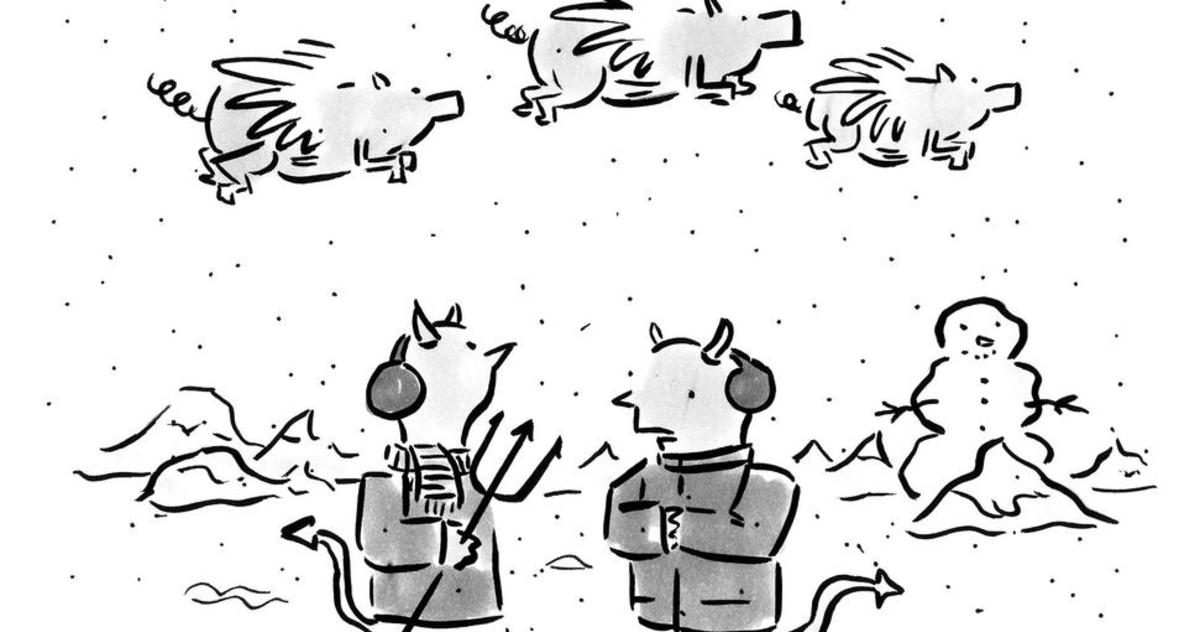
When we pursue optionality, we avoid bold decisions. Like anything meaningful, venturing into the unknown is an act of faith. It demands responsibility. You‘ll have to take a stand, trust your decision, and ignore the taunts of outside dissent. But a life without conviction is a life controlled by the futile winds of fashion. Or worse, the hollow... See more
David Perell • Peter Thiel’s Religion
Studying Yourself
Studying Yourself In the world of investing, there are two areas of study. The first world is outward-facing—the study of what makes a good investment opportunity, a good business, fundamentals, frameworks, etc. This is where most people spend all of their time studying, and with good reason. It...
docs.google.com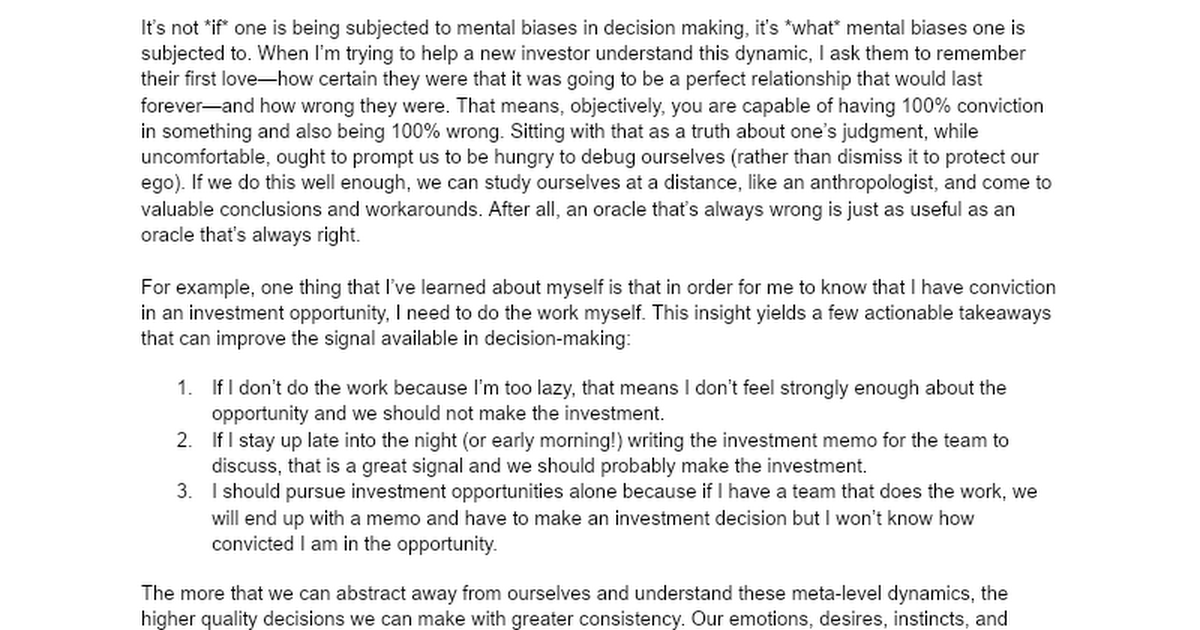
This is the great paradox of behavior change. If you try to change your life all at once, you will quickly find yourself pulled back into the same patterns as before. But if you merely focus on changing your normal day, you will find your life changes naturally as a side effect.