Saved by Ellie Anna Tattersall and
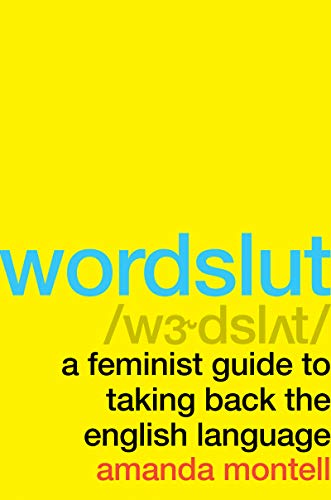
Wordslut: A Feminist Guide to Taking Back the English Language
Saved by Ellie Anna Tattersall and
not only from their communities
whereas femininity represents otherness.
vocabulary). Scholars argue that many gay men might
Through resistance comes redefinition.”
great. It wasn’t until human beings stopped moving that women with sexual independence started gaining a bad rap, because once owning land became desirable, people wanted to be able to pass it down to their children, and in order for men to know who their children were, female monogamy became a must.
Coates said, “The experience of being a hip-hop fan and not being able to use the word ni**er . . . will give you just a little peek into the world of what it means to be black. Because to be black is to walk through the world and watch people doing things that you cannot do.”
* I put “preferred pronouns” in quotes because many nonbinary folks see it as a misnomer. The argument is that pronouns aren’t preferred or unpreferred—they’re either correct or incorrect. To a nonbinary person, being referred to with a gendered pronoun would be just as inaccurate as someone using the word he to describe my mom. It’s not a
... See moreAs the legendary Betty White once said, “Why do people say ‘grow some balls?’ Balls are weak and sensitive. If you wanna be tough, grow a vagina. Those things can take a pounding.”
“We can’t just pretend to be doing dispassionate linguistics and not recognize that these things are already extremely political and that we may even have a responsibility to those politics,” Zimman says. “I think there’s an overall move . . . to taking responsibility for the implications of what we’re doing.”