The Comfort Crisis: Embrace Discomfort To Reclaim Your Wild, Happy, Healthy Self
amazon.com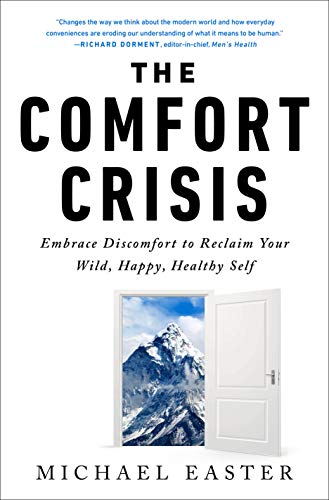
Saved by Ziah and
The Comfort Crisis: Embrace Discomfort To Reclaim Your Wild, Happy, Healthy Self
Saved by Ziah and
Hot exercise also activates “heat shock proteins” and “BDNF.” The former are inflammation fighters linked to living longer, while the latter is a chemical that promotes the survival and growth of neurons. BDNF might be protective against depression and Alzheimer’s, according to the NIH.
when you undergo a new, stressful experience like misogi, you’re transferring short-term memories into long-term memories—what just happened to you and what it led to, and what you should do next time you face a similar situation. “In general, this is because memory is about the future,” said Fields. “We retain experiences that may be of survival
... See more“Confronting risk, fear or danger produces optimal stress and discomfort, which in turn promotes outcomes such as improved self-esteem, character building, and psychological resilience,”
“They feel like the event is an exciting opportunity rather than a sense of overwhelming dread.”
Did you really do what you think is the right thing when you were the only person watching? Or do you need an audience or a big pat on the back for that? Are you not important enough to do it for you?
The first is separation. The person exits the society in which they live and ventures into the wild. The second is transition. The person enters a challenging middle ground, where they battle with nature and their mind telling them to quit. The third is incorporation. The person completes the challenge and reenters their normal life an improved
... See morenothing great in life comes with complete assurance of success. Engaging in an environment where there’s a high probability of failure, even if you execute perfectly, has huge ramifications for helping you lose a fear of failing. Huge ramifications for showing you what your potential is.
Modern humans may have an unmet need to do what’s truly difficult for us. New research shows that depression, anxiety, and feeling like you don’t belong can be linked to being untested.
becoming comfortable with discomfort, persisting despite all of his biological impulses telling him to slow down or tap out—had