Saved by Kalyani Tupkary and
How Different Cultures Understand Time
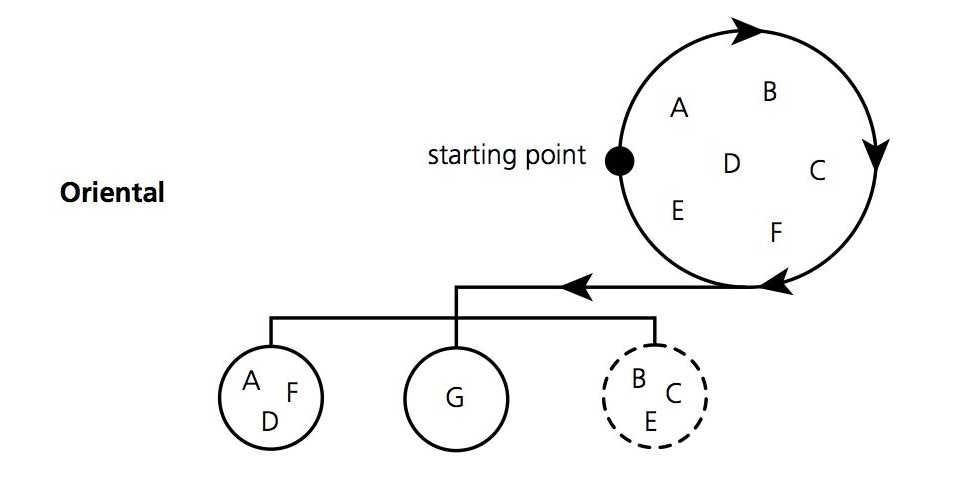
Time, and how we experience time, is always a cultural creation. Most cultures are taught—to put this very simply—that time is circular. Subsequently, you can see the world being played out in a circular way. What’s interesting about Western cultures is, at some point, we said, “You know what? We’re not circular. We’re an arrow. We’re not looking
... See moreDebbie Millman • Brand Thinking and Other Noble Pursuits
Kairos – Quality Time Helps Us Feel Human
Time is necessary for those fundamentally human aspects of life – love, connection, meaning, inspiration, awe, wonder. Things like creativity, art and intimacy cannot be done faster without paying a steep price. Carl Honoré, author of In Praise of Slowness , writes, “All the things that bind us together and... See more
phenomenology Archives - Slow Space
In the 1950s, the anthropologist Edward T. Hall coined the terms “monochronic” and “polychronic” to describe different cultural attitudes to time management.
In northern Europe and the United States, which Dr. Hall labeled “monochronic” societies, he wrote that people tended to emphasize deadlines and work sequentially, completing one task before... See more