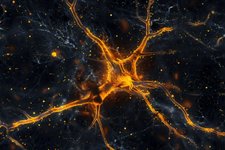
Neuroplasticity, the brain’s capacity to reorganize itself by forming new neural connections, is central to modern neuroscience. Once believed to occur only during early development, research now shows that plasticity continues throughout the lifespan, supporting learning, memory, and recovery from injury or disease. Substantial progress has been... See more
Neuroplasticity in the adult brain is gated by neuro-modulators. Epinephrine creating alertness and attention, asidocoline highlighting what happens during the alertness for later plasticity and strengthening the neurons making them more likely to fire later.
different life experiences, such as exposure to new environments and learning skills, are thought to induce changes at synapses, strengthening or weakening these connections to allow learning and memory.”