Saved by Jim and
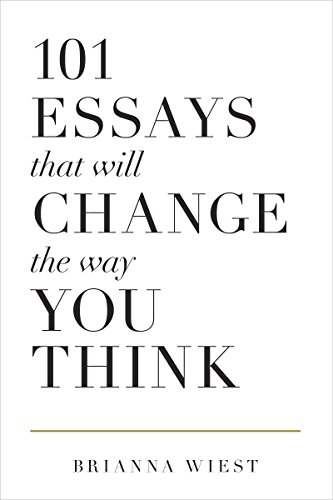
101 Essays That Will Change The Way You Think

Saved by Jim and
Happiness is not how many things you do, but how well you do them. More is not better. Happiness is not experiencing something else; it’s continually experiencing what you already have in new and different ways. Unfortunately as we’re taught that passion should drive our every thought move and decision, we’re basically impaled with the fear that
... See moreYou must learn to let your conscious decisions dictate your day—not your fears or impulses.
The things you love about others are the things you love about yourself. The things you hate about others are the things you cannot see in yourself.
Marcus Aurelius sums this up well: “The impediment to action advances action. What stands in the way becomes the way.” Simply, running into a “problem” forces you to take action to resolve it. That action will inevitably lead you to think differently, behave differently, and choose differently. The “problem” becomes a catalyst for you to actualize
... See moreYou think that to change your beliefs, you have to adopt a new line of thinking, rather than seek experiences that make that thinking self-evident. A belief is what you know to be true because experience has made it evident to you. If you want to change your life, change your beliefs. If you want to change your beliefs, go out and have experiences
... See moreYou needlessly create problems and crises in your life because you’re afraid of actually living it. The pattern of unnecessarily creating crises in your life is actually an avoidance technique. It distracts you from actually having to be vulnerable or held accountable for whatever it is you’re afraid of. You’re never upset for the reason you think
... See moreWhy am I creating the perceived problem? Whats the root cause?
Bad feelings should not always be interpreted as deterrents. They are also indicators that you are doing something frightening and worthwhile.
Once you have so deeply accepted an idea as “truth” it doesn’t register as “cultural” or “subjective” anymore. So much of our inner turmoil is the result of conducting a life we don’t inherently desire, only because we have accepted an inner narrative of “normal” and “ideal” without ever realizing.
“[Self-esteem is knowing] that we can determine our own course and that we can travel that course. It’s not that we travel the course alone, but we need the feeling of agency—that if everything were to fall apart, we could find a way to put things back together again.”