Timour Kosters
There are many sources of inspiration. New anthropological and archaeological research in books like The Dawn of Everything shows that the history of
Over the years, plenty of responsible experimenters – think of the more pragmatic elements among the back-to-the-landers, kibbutzim, Tolstoyan farmers
‘You don’t ever have to say anything,’ he says. ‘Always remember that as a thing you need never do. Many’s the man lost much just because he missed a
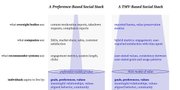
As I wrote in Good Ideas, “The adjacent possible is a kind of shadow future, hovering on the edges of the present state of things, a map of all the wa
There are many sources of inspiration. New anthropological and archaeological research in books like The Dawn of Everything shows that the history of
‘You don’t ever have to say anything,’ he says. ‘Always remember that as a thing you need never do. Many’s the man lost much just because he missed a