Sublime
An inspiration engine for ideas
This reminds me of something Rachitsky said earlier in the conversation: “It’s hard to work for yourself when your boss is a workaholic.”
Reluctantly Influential: Inside Lenny Rachitsky’s Demandingly Chill Life
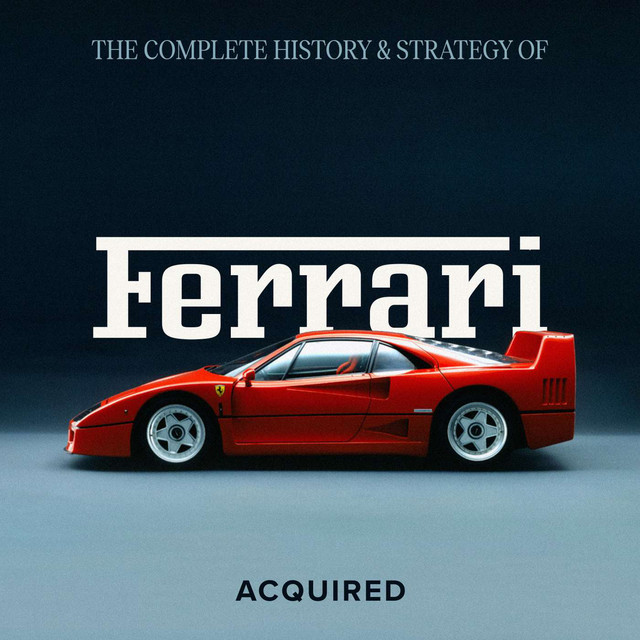
How Ferrari built an ultra-luxury, massively valuable, high-margin brand with extreme scarcity and minimal new customers
TRANSCRIPT
Yes. Like the space shuttle is a product, but you can't go go buy a space shuttle. So I would say Ferrari is the only ultra luxury brand that has reached mass cultural awareness.
There's some fun numbers just to keep putting this in perspective. There are 10 times more Birkin and Kelly bags made each year over at Hermes than there are Ferraris. And
... See more

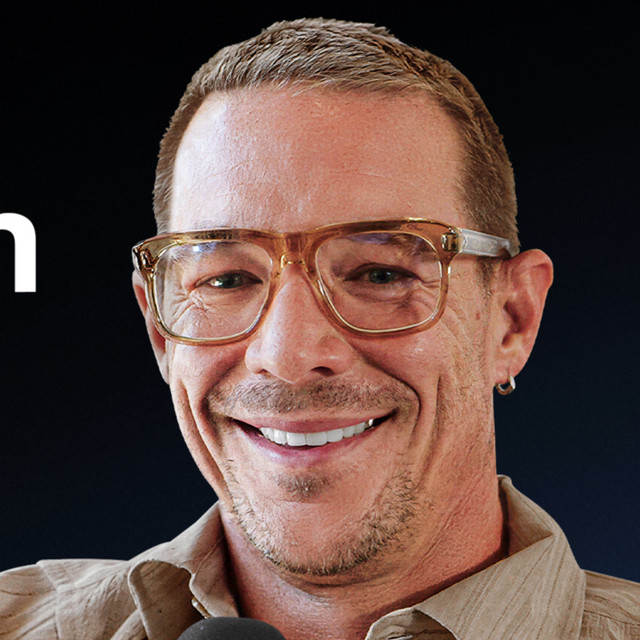
How deep musical knowledge, history, and crate-digging make DJs better and translate into superior AI prompting skills.
TRANSCRIPT
I'll give you a good metaphor as a DJ. The best DJs right now are older than me. You know, like Tiesto, Black Coffee, Solomon, even Geta. I used to think there was no career. I was like, yo, I don't want to be a DJ at 40. That's crazy. That's like whack. It's a young thing.
It's not because the DJs that get older, our repertoire, our knowledge of
... See moreI have always tried to take lots of notes, typically as snapshots of my mental state. What I’m thinking about, what my priorities are, where my attention is going. I’ve persisted with the habit I think because my notes tend to reveal to me a more complex, evocative, varied version of myself than my memory does. My notes show me that I flit around a... See more
visakan veerasamy • i'm going to email you 100 times
Favorite quotes
Time for some more quotable quotes:
The patient inherit everything the impatient leave behind. — Shane Parish
Things take longer to happen than you think they will, and then they happen faster than you thought they could. — Rudiger Dornbusch
I wouldn’t have seen it, if I didn’t believe it. — Marshall McLuhan
There are two kinds of people... See more
Time for some more quotable quotes:
The patient inherit everything the impatient leave behind. — Shane Parish
Things take longer to happen than you think they will, and then they happen faster than you thought they could. — Rudiger Dornbusch
I wouldn’t have seen it, if I didn’t believe it. — Marshall McLuhan
There are two kinds of people... See more