Sublime
An inspiration engine for ideas
There are 2.4 million homeschoolers in the U.S., and in-home education has grown consistently for three decades — despite the challenges of getting started, navigating curriculums, and finding the right peer communities. This market is tragically underserved by technology, making homeschooling less accessible and forcing each family to reinvent the... See more
Ryan Delk • Primer | Blog - A bit about Primer
Paul Steckler
@bricin

... See moreIn my final year, I decided to take on the biggest issue of all for Yale’s men: the 268-year-old parietal rules that forbade women staying overnight in a dorm room. I was dating a woman at a local college, so for me, it was as much a personal as a community issue.
The conventional approach would have been to set up a meeting with a university
2025 Summit Reports, Panels and Reflections
Summit 2025 focuses on challenges in international education, discussing forces impacting mobility, the importance of mental health, transitions-care, and innovative assessment methods to enhance student success in a changing global landscape.
Link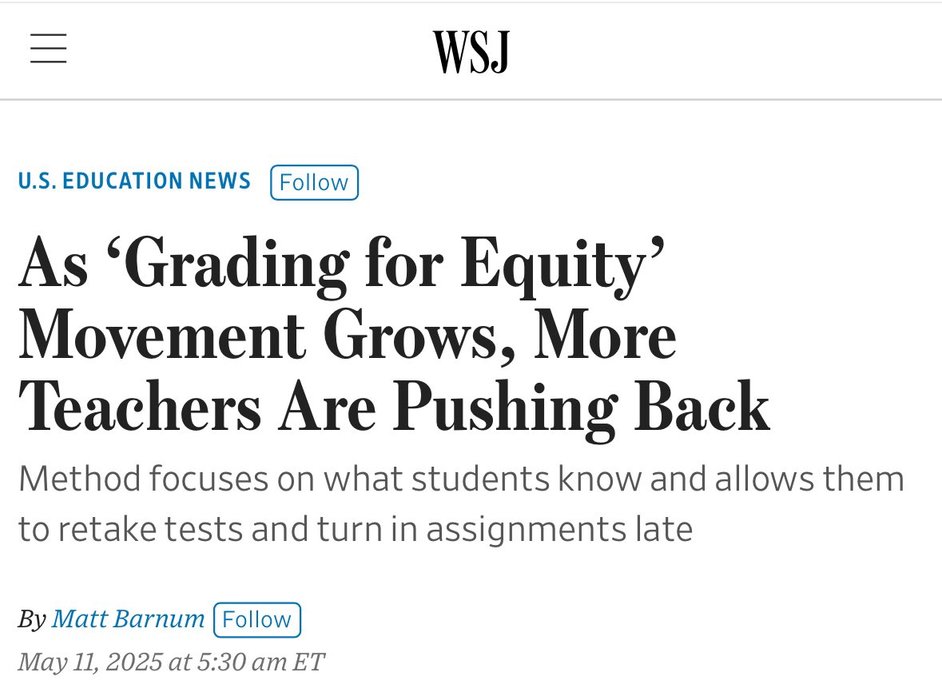
This sounds like it would be a disaster:
“Joe Feldman preaches that students should be able to retake tests and redo assignments. There should be no penalties for late work and no grades for homework. No points for good behavior, classroom participation or perfect attendance, either.”
“‘When... See more
Everyone is enamored with ISA’s. I would say we have more experience with them at Lambda than anyone else. I’m not convinced that they are the final solution. They are unregulated, which allows local regulators to impose their own rules on you. There are also not a lot of buyers for unregulated securities. I would suggest that companies think about... See more
John Danner • Education Trends 2020 Part 1/4
You want problems solved by the right people who can do it most effectively.
John Seiffer • Output Thinking: Scale Faster, Manage Better, Transform Your Company
Crow and Dabars don’t hold back in tearing down what they call the “Harvardization” of universities, where schools are responding to the higher education crisis by decreasing their acceptance rates and increasing their price tags, instead of trying to develop a better product that’s designed for the scale and type of demand we’re seeing today.