Sublime
An inspiration engine for ideas
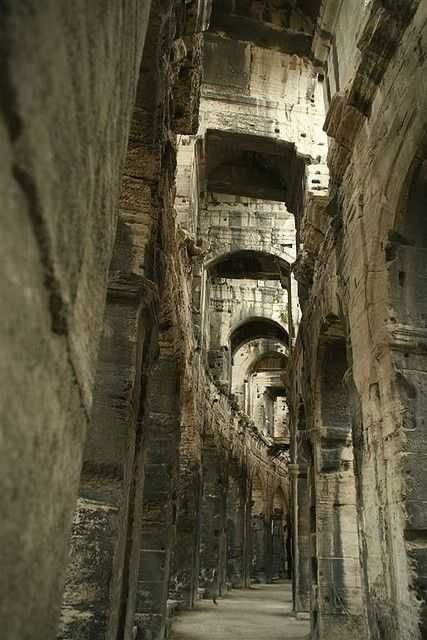
the capacity of the Circus Maximus, the main race track, at 250,000, was five times that of the Colosseum).
Mary Beard • SPQR
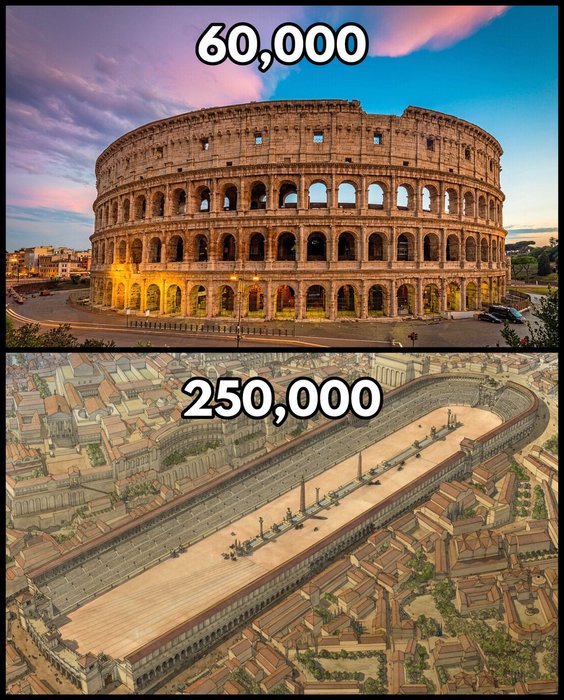
The Colosseum wasn't the biggest stadium in Ancient Rome — it was the Circus Maximus, where chariot races took place.
It once held 250,000 spectators.
Why so big? Because chariot racing — not gladiatorial combat — was the most popular Roman sport... https://t.co/Fh4wZtRH3f
Vespasian’s most famous construction, the amphitheatre inaugurated under his son Titus in 80 CE, cleverly combined all three aims. Eventually known as the Colosseum, from a colossal statue of Nero that stood close by and lasted long after Nero’s end, this was simultaneously a massive building project (it took almost ten years to finish, using
... See moreMary Beard • SPQR
The seating capacity of the Colosseum, vast as it seems, was around 50,000, which in a city of a million probably means that the audience for gladiatorial shows and bloody beast hunts was relatively upmarket.
Mary Beard • SPQR
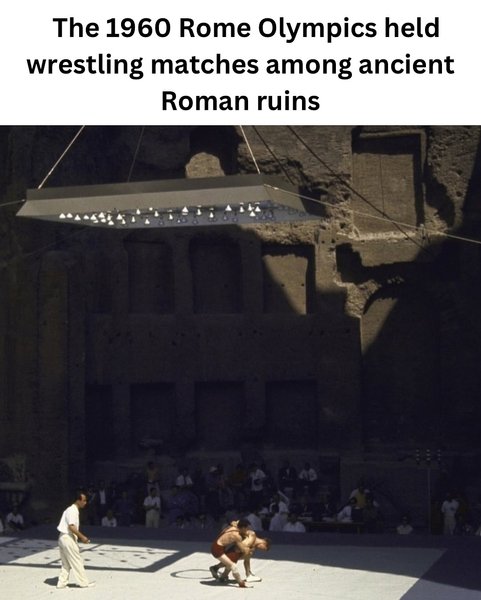
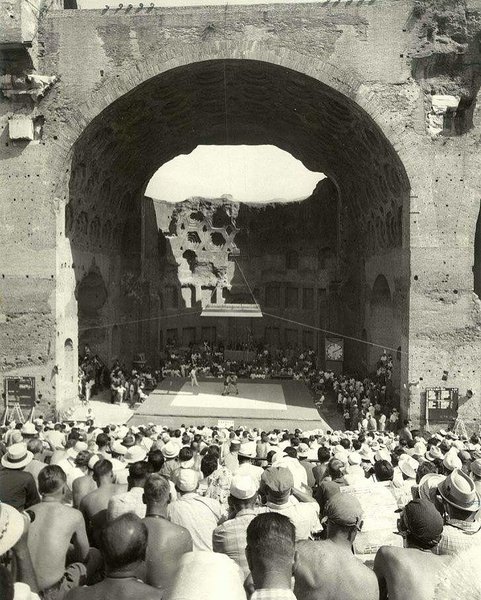
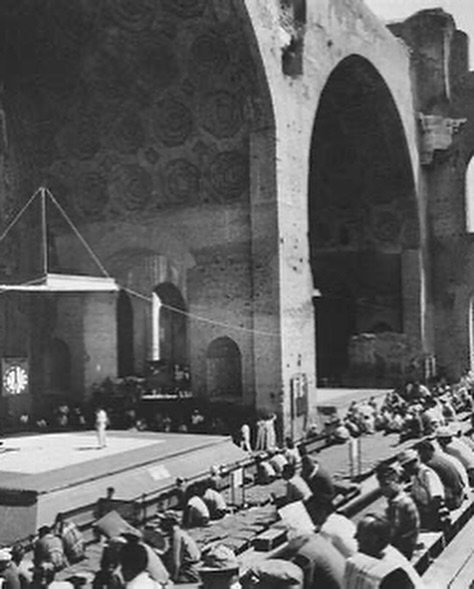
The 1960 Summer Olympics in Rome, held amongst ancient Roman ruins, was possibly the most iconic in history.
This Greco-Roman wrestling was held in the ruins of the Basilica of Maxentius (built AD 308-312), the largest building in the Roman Forum; once used for law courts and imperial... See more
instagram.com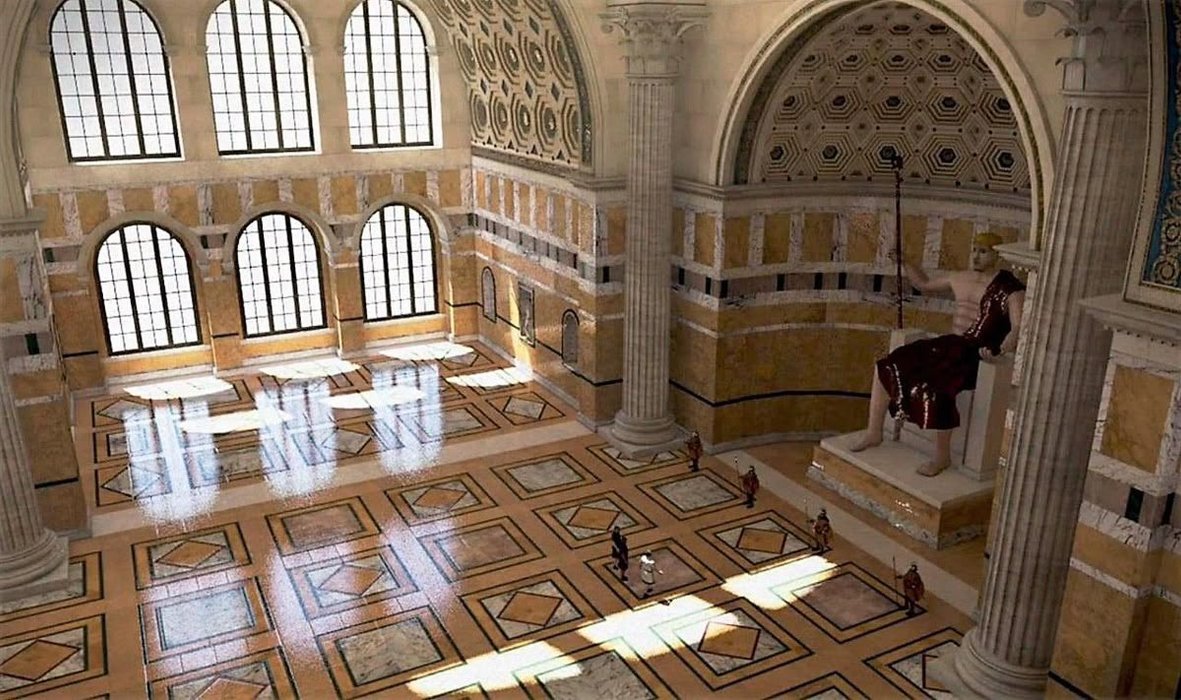
A reconstruction of the Basilica of Constantine in Rome https://t.co/KMWyjvYvxH
Virgil Abloh Archive™
virgilabloh.com