Work Resources
LEGO_SERIOUS_PLAY_OpenSource_14mb.pdf
lego.comDiving into the Deep End — what works
whatworks.fyi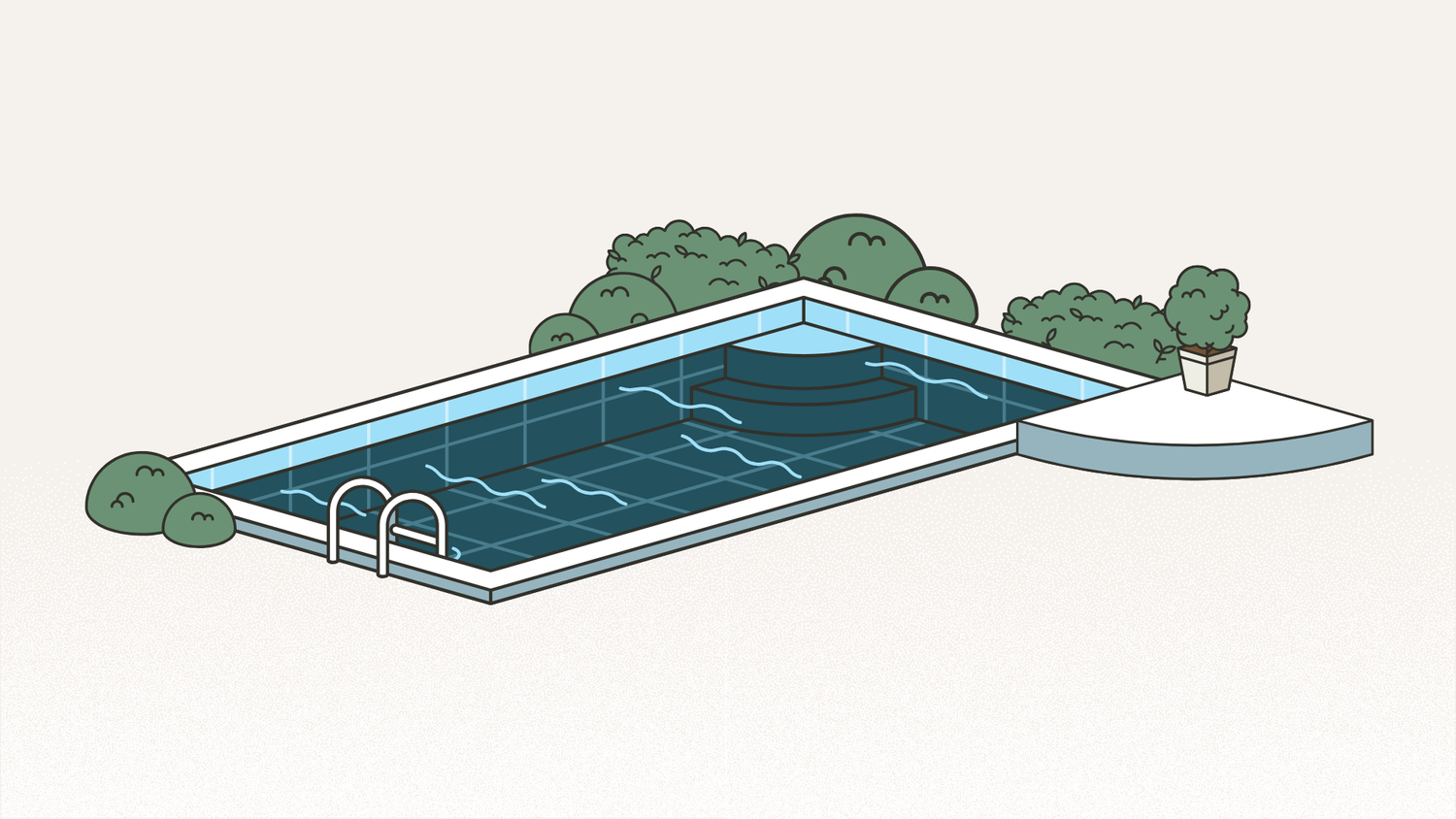
Esp note chapter 4: “the deep end problem”
‘There’s a similar issue that we might call the “deep end problem.” Experts and deep thinkers get used to swimming in the “deep end” with other experts and deep thinkers. When they go to communicate with a broader audience, they get frustrated that either very few people are willing to dive into the deep end with them or that they need to “water down” their ideas to reach those in the shallow end. They perceive a choice between the integrity of their ideas and the siren song of mass appeal. This is a false distinction.
Swimming is swimming whether you do it in waist-high water or where your toes can’t touch the bottom of the pool. You can preserve the integrity of ideas even when presented to an audience who isn’t yet accustomed to thinking in the deep end. It’s not the novice swimmer’s responsibility to throw caution to the wind and try to stay afloat in deep water. The expert must always remember that an enthusiastic novice has the capacity to become a confident swimmer if provided with the right technique and support. The novice isn't lesser than the expert nor do they lack the capacity to swim in the deep end; the novice is simply different from the expert.’
The Maintainers Study Guide.pdf
drive.google.comBraver Together: Strengthening Civil & Human Rights
canva.comConstructivist Listening — National Equity Project
nationalequityproject.org

Network Mapping
openpracticelibrary.comVisualizing connections activity
FunRetrospectives | Have fun, learn from the past and prepare for the future!
funretrospectives.comFacilitation activity ideas

Why prototyping is valuable in its messiness.