Economies of Small


Overall, architecture-task alignment, not the number of agents, determines collaborative success. The research replaces heuristic guidance with quantitative principles: measure task decomposability, tool complexity, and baseline difficulty, then select a coordination structure accordingly.
elvis • Tweet




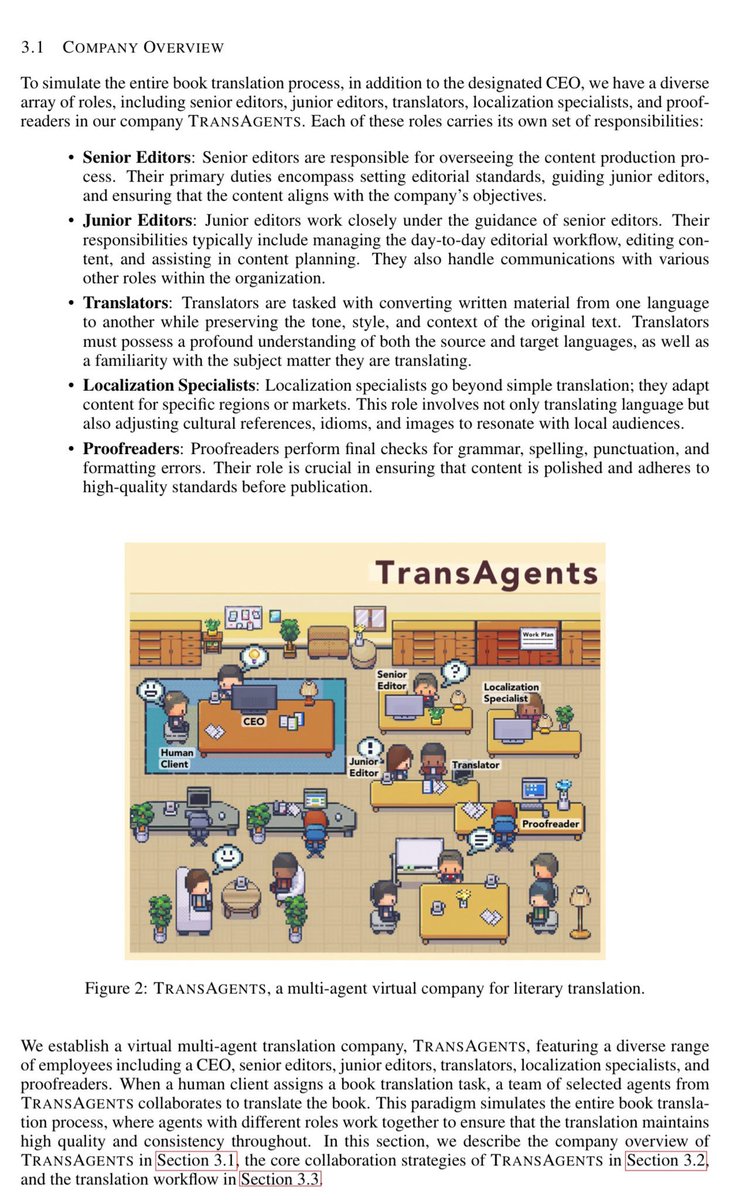
The hierarchies we need for agents are more likely to come from organizational forms (a highly refined technology for working across multiple actors with many responsibilities & ability levels) than from coding practice.
Already some hints this might work well in early papers. https://t.co/sLf4UkMyyj
All the relationships are procedurally generated, court members develop relationships and plot coups and such. And it is based on real management theory on org charts: span of control, decision rights, etc. I didn't implement a matrix organization. Too cruel.
Ethan Mollickx.comThe Universal Commerce Protocol, on the other hand, is much more ambitious (and complicated). You can define every aspect of the e-commerce funnel, from discovery to catalog to checkout to order history to returns to loyalty etc.; those aspects can then be consumed by anything, whether that be a chatbot, an agent, etc. This is much more work, but,... See more