developing your sense of taste
Denzel Washington (born 28 December 1954 in Mount Vernon) embodies a tradition of American cinema built on gravitas, precision and moral ambiguity. Trained through theatre and television, he entered film without the sensationalism typical of Hollywood ascents, cultivating authority through diction, stillness and control. Across decades he played... See more
lussietyinstagram.comWhy Cringe Tolerance Separates Builders from Non-Builders
medium.com
Mary Oliver (1935-2019) reciting her much loved poem, ‘The Journey’ (1963), at a live poetry reading in 2012.
•
• Source: The 92nd Street Y, New York: “Mary Oliver Reads From a Thousand Mornings”, YouTube.... See more
coffee_with_keatsinstagram.com
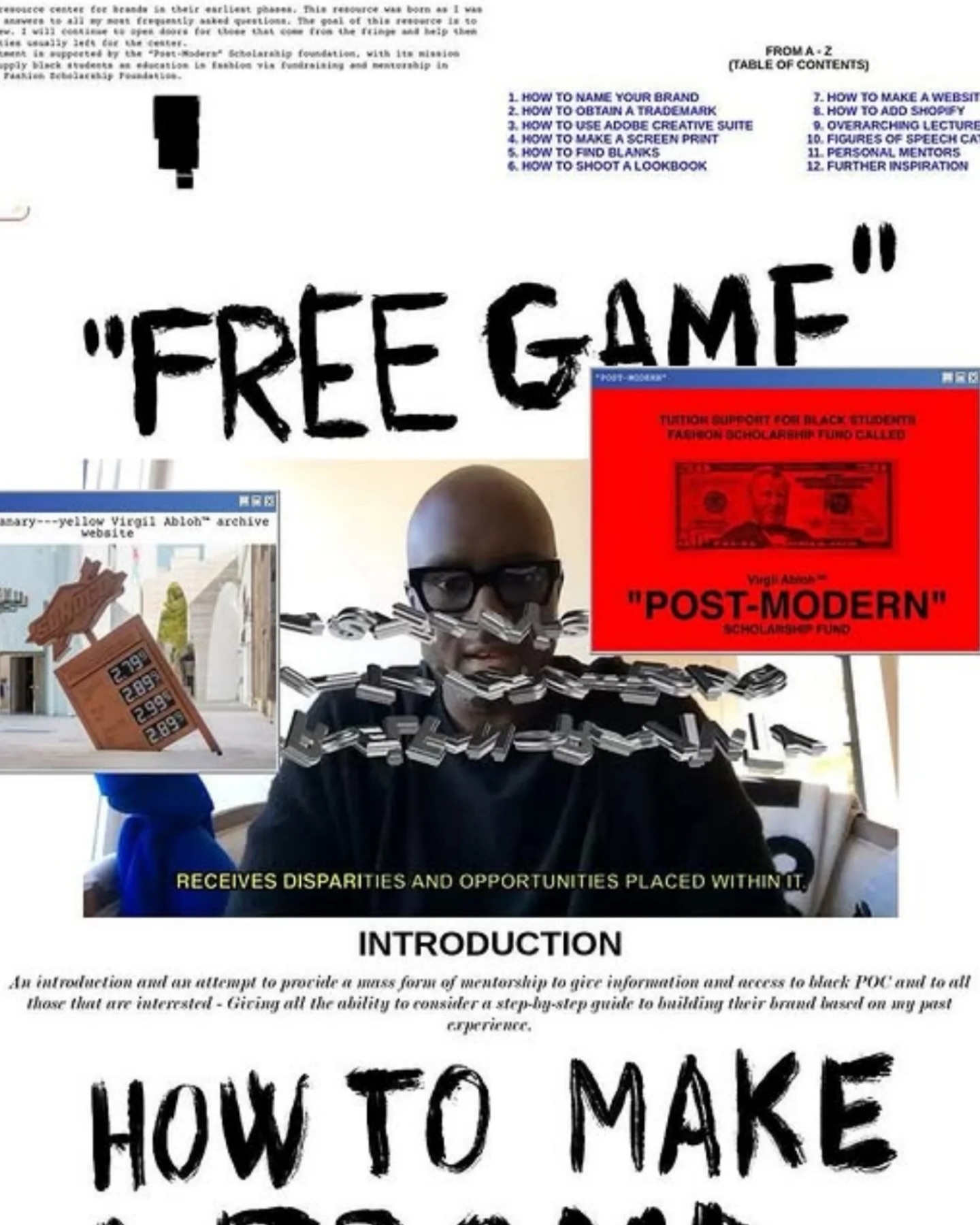
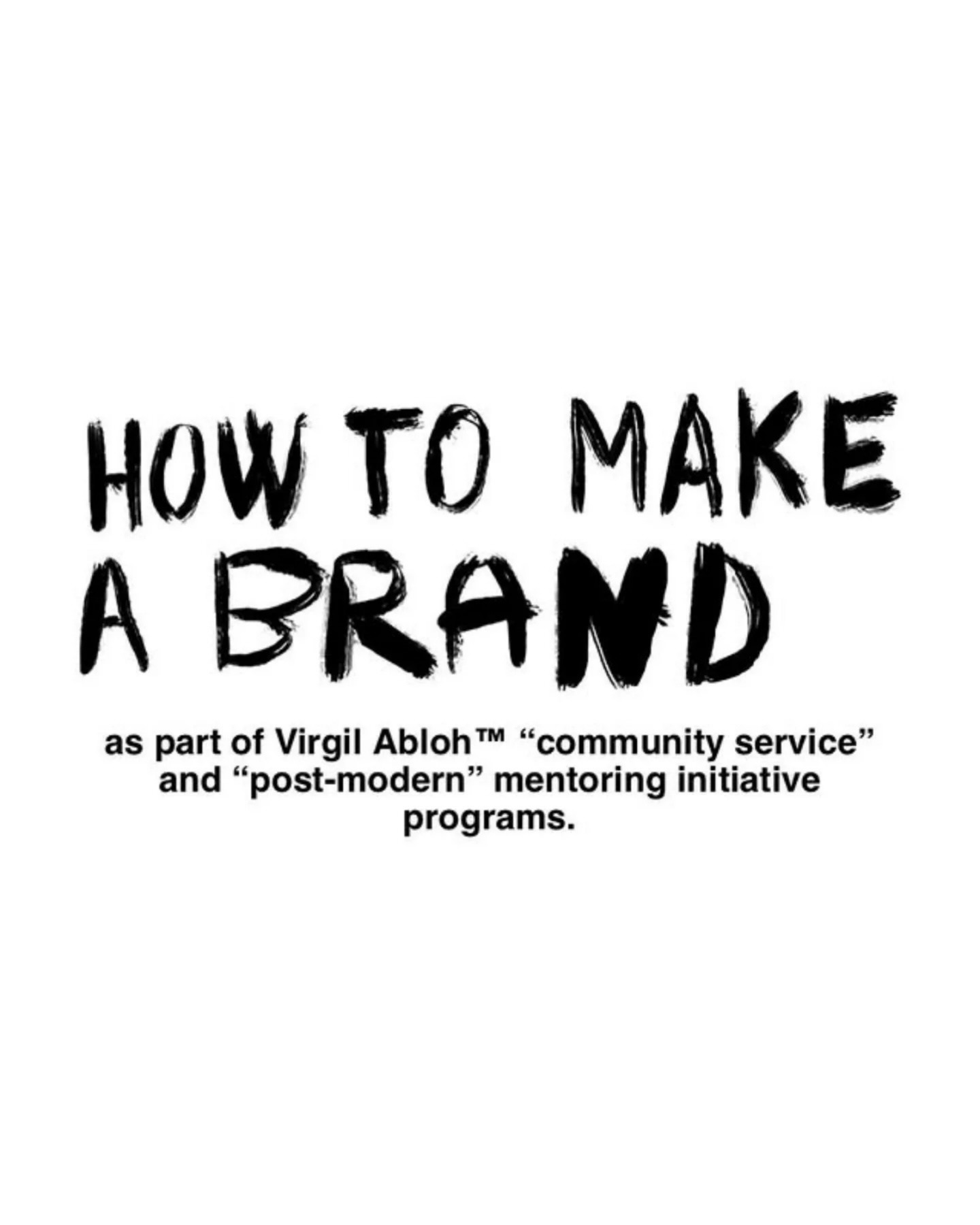

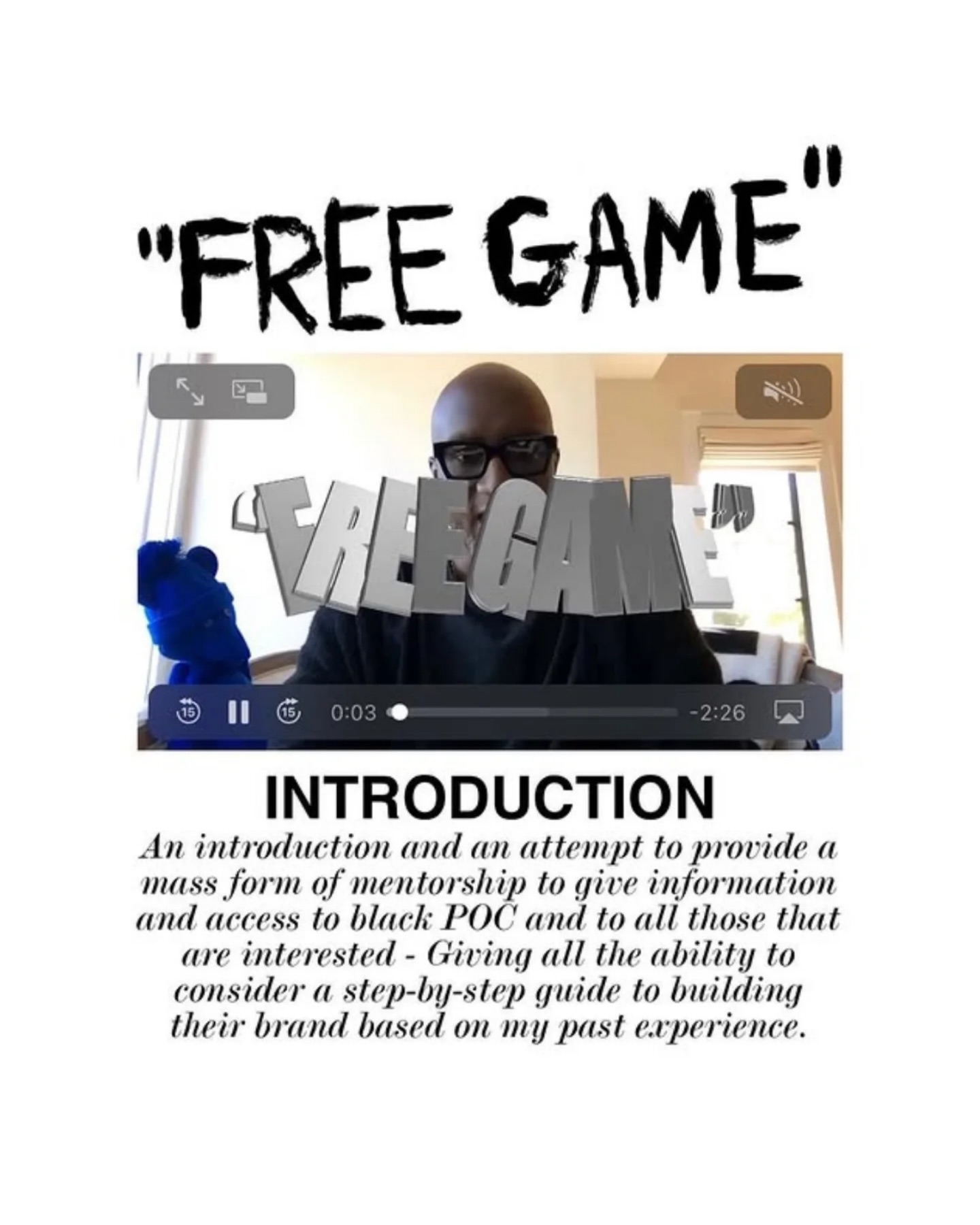
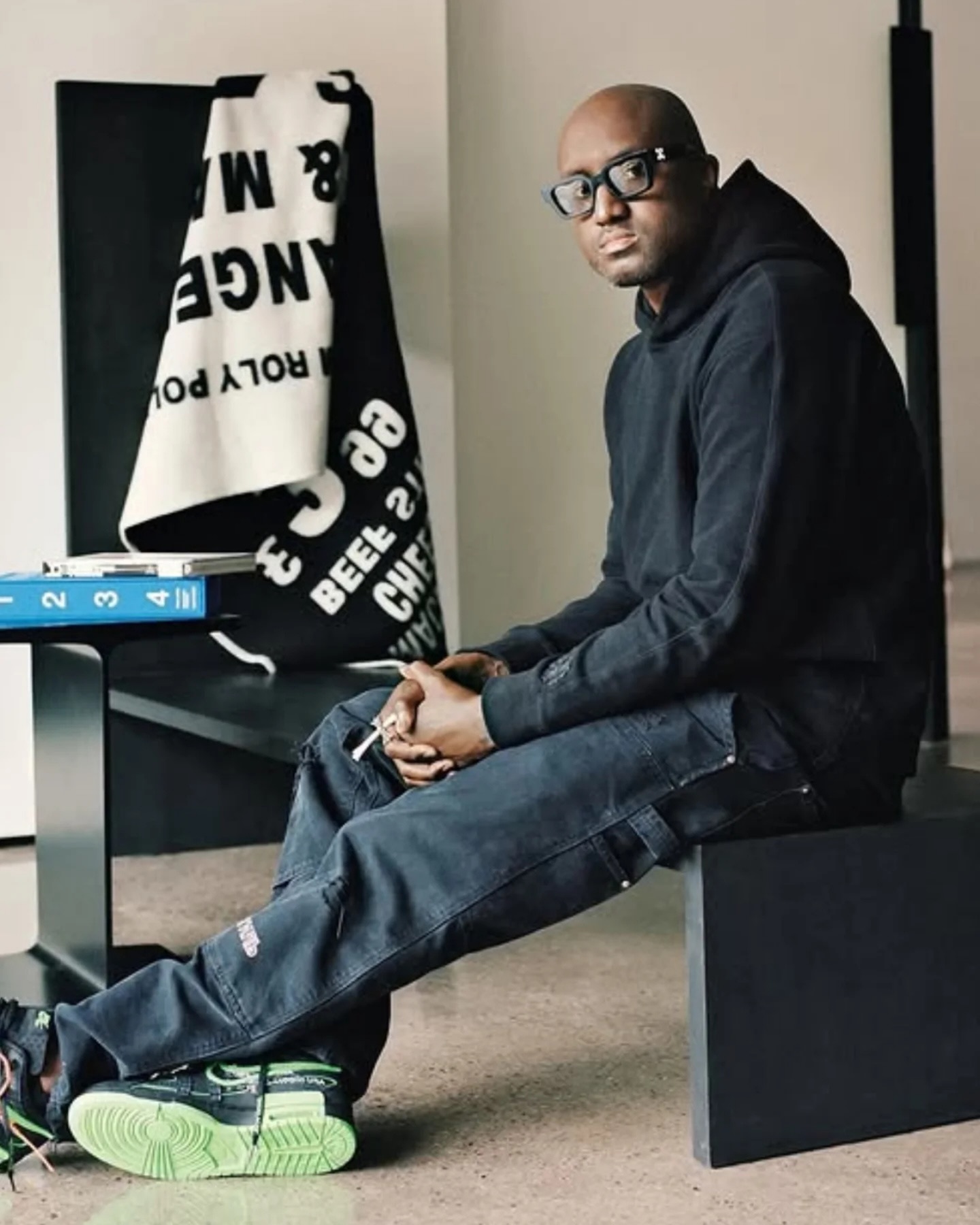
Virgil Abloh quietly launched Free Game as an open website that lays out how to build a fashion brand from the ground up, without paywalls, courses, or gatekeepers. It was meant to function like a public notebook rather than a polished masterclass.
The site walks through practical steps most newcomers struggle to... See more
instagram.comFred again.. plays records at my house! Out now on YouTube.
@fredagainagainagainagainagain
fredagainfeedinstagram.comand plus it lets you tap to more people and who doesn’t want that ;)
#studygram #languagelearning #cambridgeuniversity #languages #glowup
erinmerylstudyinstagram.comHere for the Wrong Reasons | Are.na Editorial
are.na
All of this brings me to the title of this piece, “Here for the wrong reasons,” which I have to come clean about. Earlier this year, I was in a mode where I was feeling particularly annoyed at a certain type of person online. The easiest way to describe this type of person is someone whose interests are more strategic than personally intuitive. A person whose interests accumulate with an awareness of how they will reflect back onto them. A person who follows nodal points not from an innate desire, but from the expectation of some kind of reward, social or otherwise.
Or to put it in different terms, a person who is here for fame and not for love.
Algorithms pervert one’s attention. An atmosphere that promotes being performative does as well. Part of what I’m trying to grapple with is how software or platforms or environments can get in the way of one’s own feeling of being connected — not to other people necessarily, but to your own intuitive radar.
There is this tendency to think about software, especially software that is more on the “tool” side as something that augments your ability as a human. What I keep coming back to is that I really don’t want that at all. I like feeling connected to things and unencumbered. I like feeling the humanness of things and my own human relationship to things. I want to be able to feel true attention, or at the very least, the possibility of it.
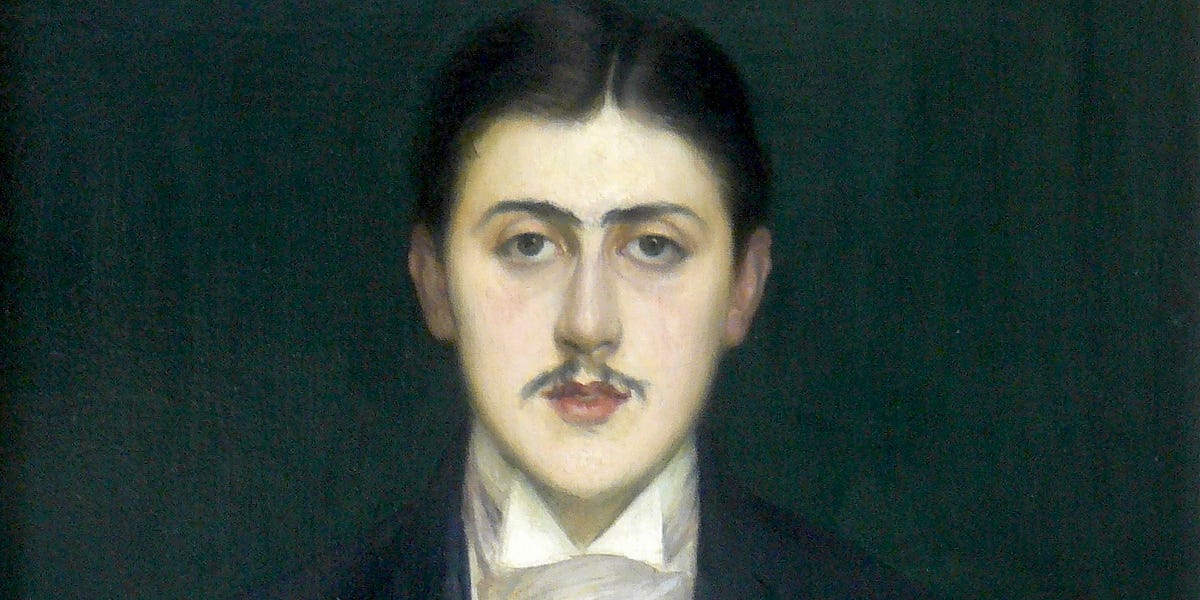
Reading In Search of Lost Time, I realized that Proust described certain experiences—being conscious, perceiving reality, observing the world, encountering other people—with a kind of trembling, vital energy I had never experienced before.
Ottessa Moshfegh once said to Bookforum, “A novel is a literary work of art meant to expand consciousness.” (In that sense, Proust may be more transformative than a psychedelic trip—though the most effective approach, perhaps, might be to combine the two.5)
The function of criticism, for him, wasn’t to prescribe or proscribe; it was to “connect.” To seduce and please, rather than épater la bourgeoisie…While criticism, for Baudelaire, was necessarily “partial, passionate, political,” for Schjeldahl, it was—above all—pleasurable. Art, he claimed, was “about 100 percent” pleasure.You have to do what Schjeldahl did and communicate the experience of looking at paintings. To make people understand why you might invest your time in these experiences…You have to describe the blooming, buzzing experience of coming into awareness with art and why it might be desirable, more desirable and fulfilling than things that are easier.
Taste is more like love than education
What I needed, as a young reader, was for someone to tell me: These are the books that have the capacity to change you—to reprogram your phenomenological and philosophical approach to living—to transform you.Taste is more like love than education
What I needed, as a young reader, was for someone to tell me: These are the books that have the capacity to change you—to reprogram your phenomenological and philosophical approach to living—to transform you.
“Algorithms pervert one’s attention,” Broskoski notes, but “an atmosphere that promotes being performative does as well.”