curiosity
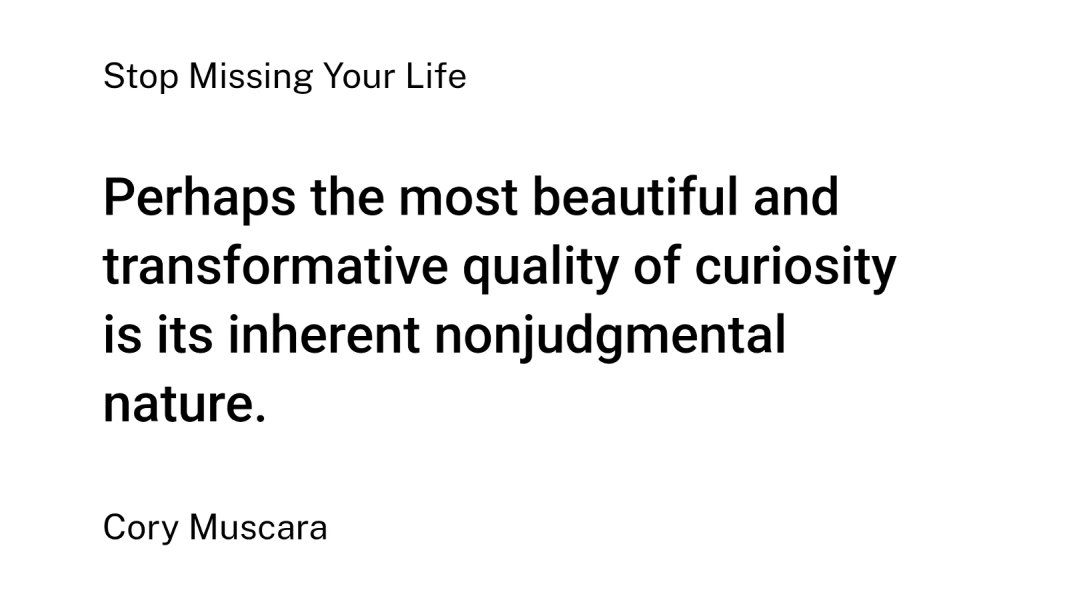
it's the totality of those “nodal points” that indicate one’s own unique perspective. It doesn’t matter if you specifically sought out the nodal point or not, it’s the recognition that counts. When you encounter a piece of life-changing information (no matter how large the change part is), you are simultaneously discovering and creating “yourself,”
... See moreare.na • On Motivation
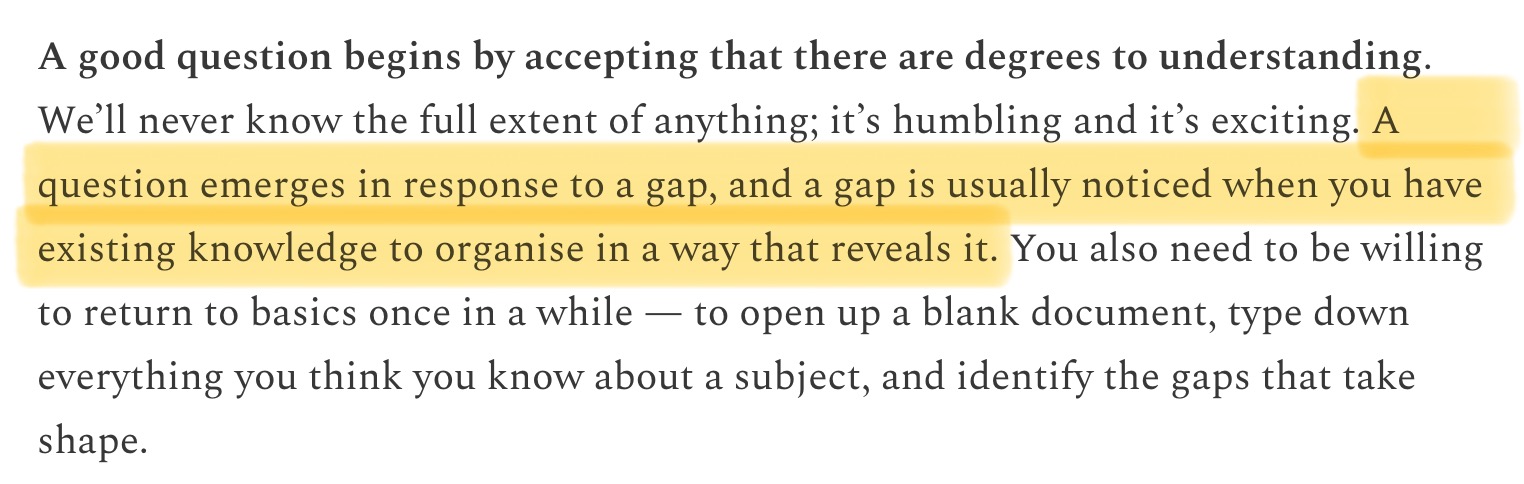
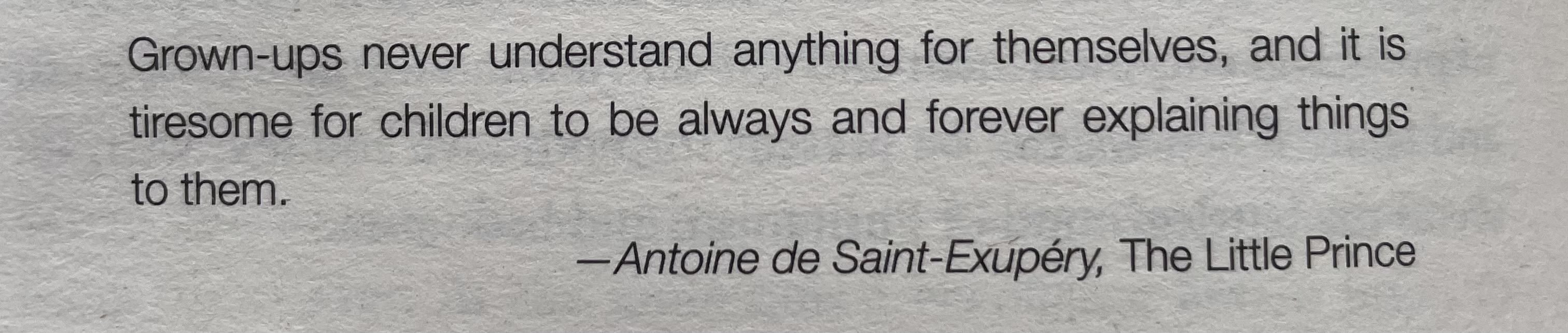
We all live one-of-a-kind lives with a unique set of experiences, and therefore the way we interact with the world is always somewhat different. That doesn’t mean there isn’t a vast amount of overlap, and I think it is exactly this dichotomy that makes life so wonderful. When we expose more of the web (the connections, associations, and
... See moreIda Josefiina • What We See and What We Know
The most sustainable and potent motivation is experiencing joy and curiosity within an activity. Cultivate joy for exercise and fascination with fitness to remove the need for constant external motivation.
Sam Sager • Exploring Our Why
Curiosity cannot be cultivated inside cultures that treat knowledge exclusively as a static object in which engagement with thinking is positioned as the banking of information. Human beings are not savings accounts, they are originators of value creation—one of the key attributes of curiosity.