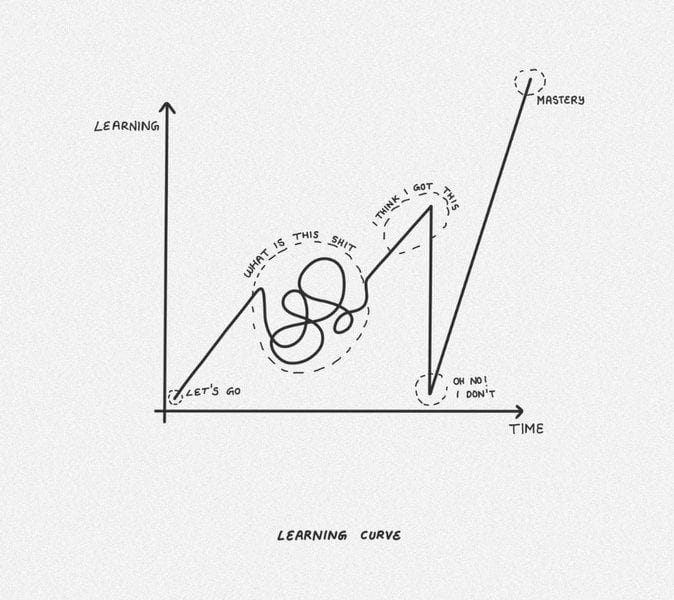
he asked if I felt like I was ninety percent done or thirty percent done. If I was ninety percent done, he would try to correct me on every little detail possible because otherwise a typo might make it into production. But if I had told him I was only thirty percent done, he would gloss over the tiny mistakes, knowing that I would correct them... See more
Unfortunately, this experience and information that I have, thanks to my position in the hierarchy, didn't count as knowledge. Meanwhile, my manager, being the CDO of the company, had the clout and authority to make his vague beliefs count as him knowing something, which then allowed him to assert that view as institutional knowledge in a way that... See more
When we think strategy is depicting the end state, and undervalue the proximate objective definitions and execution that it takes to get there, the person who talks more about the end state can be seen as more strategic than the person who actually reaches it.
This is the first rule of strategy: strategy is contextual. A crucial insight, because often when leaders fail, it’s because they tried to apply a strategy that worked in one context, to a different one, without considering the difference.
This is true when you change companies, and I think the reason why there is such a high failure rate for... See more
What is needed now is not more big ideas or breakthrough products. It is repair. Design as repair means paying attention to what is already in motion. The fragile, fragmented, overburdened systems we inherit.
Makes me think of the idea that organizations have cultures and spirits that operate outside of the individuals within it and persist even as the individuals change.