Will
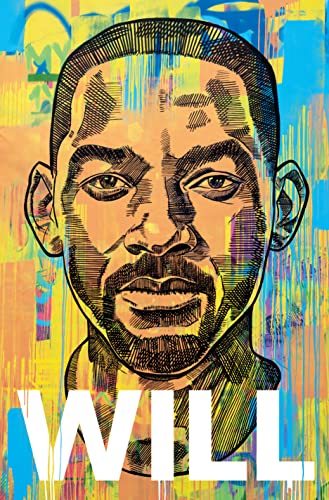
There’s a difference between talent and skill. Talent comes from God—you’re born with it. Skill comes from sweat and practice and commitment. Don’t just skate through this opportunity. Hone your craft.”
Mark Manson • Will
“It is better to be a warrior in a garden, than a gardener in a war.”
Mark Manson • Will
“the hero’s journey.” (Christopher Vogler, in his landmark interpretation of Joseph Campbell’s work, The Writer’s Journey, refined the stages to twelve. Chris’s book has become a Hollywood standard and a classic screenwriting textbook throughout the world.)
Mark Manson • Will
Change can be scary, but it’s utterly unavoidable. In fact, impermanence is the only thing you can truly rely on. If you are unwilling or unable to pivot and adapt to the incessant, fluctuating tides of life, you will not enjoy being here. Sometimes, people try to play the cards that they wish they had, instead of playing the hand they’ve been
... See moreMark Manson • Will
Desire is what you want; purpose is the flowering of what you are. Desire tends to weaken over time, whereas purpose strengthens the more you lean into it. Desire can be depleting because it’s insatiable; purpose is empowering—it’s a stronger engine.
Mark Manson • Will
In acting, understanding a character’s fears is a critical part of understanding his or her psyche. The fears create desires and the desires precipitate actions. These repetitive actions and predictable responses are the building blocks of great cinematic characters. It’s pretty much the same in real life. Something bad happens to us, and we decide
... See moreMark Manson • Will
People’s advice is based on their fears, their experiences, their prejudices, and at the end of the day, their advice is just that: it’s theirs, not yours. When people give you advice, they’re basing it on
Mark Manson • Will
Hope sustains life. Hope is the elixir of survival during our darkest times. The ability to envision and imagine a brighter day gives meaning to our suffering and renders it bearable. When we lose hope, we lose our central source of strength and resilience.
Mark Manson • Will
“Never argue with a fool, because from a distance, people can’t tell who’s who.”