The philosophy of new beginnings
We are not born alone, we don’t live alone, so why would we change alone?
Jonny Thomson • The philosophy of new beginnings
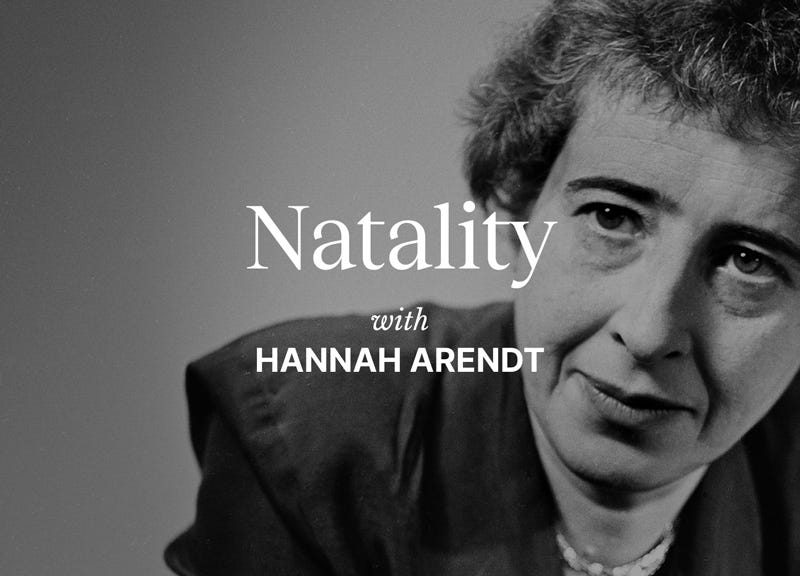
Natality challenges this death fixation. It suggests that we should not be defined as “mortals” but as “natals.” When a child is born, the world is offered a new set of possibilities — suddenly, there is a new actor on the stage of history. And for Arendt, what makes humans unique is our ability to start again. We are under no obligation to keep... See more
Jonny Thomson • The philosophy of new beginnings
Arendt argues that Western thought has come to be “death-ridden.” We interpret everything about life through the lens of its eventual end. Philosophers have long loved the “ memento mori “ meditation, which says, “remember, you will die, so get living while you still can.” It’s found in Ecclesiastes, Michel de Montaigne, and is a favorite of... See more
The philosophy of new beginnings
Arendt wanted us to focus more on the vitality of life rather than the finitude of death.
Irigaray and Cavarero argue that when we talk about “natality,” we should focus more on the forgotten and repressed symbol of the feminine as a symbol of caring love.
When we think about change or growth, we should not see it as some kind of individual resolve. We are not born alone, we don’t live alone, so why would we change alone? Instead, we... See more
When we think about change or growth, we should not see it as some kind of individual resolve. We are not born alone, we don’t live alone, so why would we change alone? Instead, we... See more
Jonny Thomson • The philosophy of new beginnings
Natality challenges this death fixation. It suggests that we should not be defined as “mortals” but as “natals.” When a child is born, the world is offered a new set of possibilities — suddenly, there is a new actor on the stage of history. And for Arendt, what makes humans unique is our ability to start again. We are under no obligation to keep... See more
Jonny Thomson • The philosophy of new beginnings
We have the power to interrupt the automatic flow of history — to stop the “machine” of social exchange and start something entirely unpredictable.