The future of war is the future of society
But from any one country’s point of view, those social changes were absolutely necessary, since the only thing worse than winning a war is losing a war.
Noah Smith • The future of war is the future of society
Fog, wind, and rain significantly degrade drone operations
Noah Smith • The future of war is the future of society
Skilled human operators are a valuable resource that limits the amount of drones that can be used at once.
Noah Smith • The future of war is the future of society
That will probably make war more capital-intensive, as human labor is increasingly removed from the equation (and because AI is very capital-intensive)
Noah Smith • The future of war is the future of society
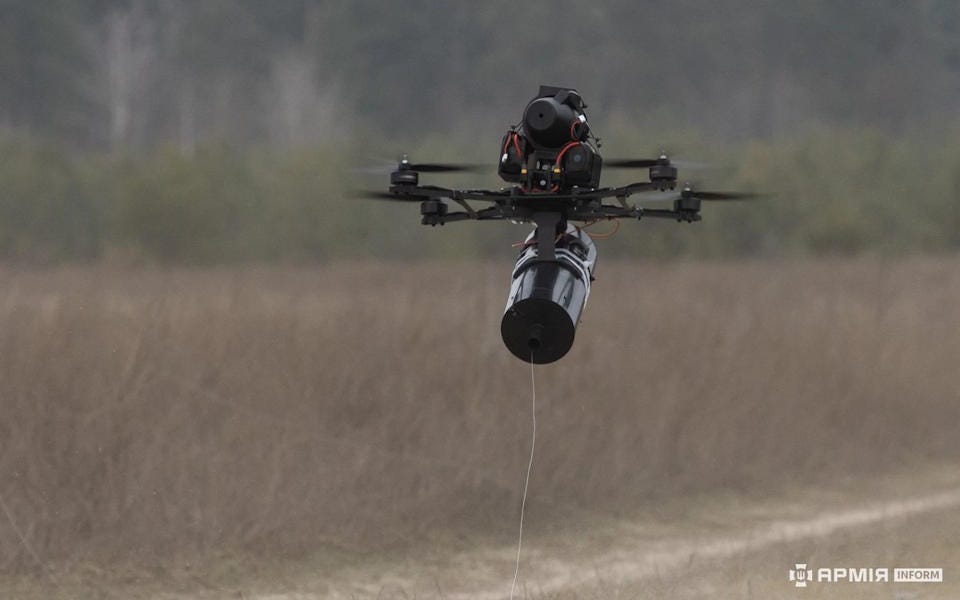
And drone technology is still in its infancy. Currently, drones are still piloted by humans. This makes them subject to electronic warfare that jams the link between pilot and drone, forcing them to use spools of fiber-optic cable to maintain a secure connection. And it means that drone operators have to stay somewhat near the front, exposing them... See more
Noah Smith • The future of war is the future of society
Genghis Khan had to convince a plethora of fractious steppe warlords to all stick together and cooperate.
Noah Smith • The future of war is the future of society
Take a look at the long-term history of warfare. Our numbers are pretty patchy, but as far as we can tell, there have been three really big waves of warfare over the last millennium:
- The Mongol conquests in the 1200s (and follow-up conquerors in the 1300s like Timur)
- The Thirty Years’ War and the fall of the Ming Dynasty in China in the 1600s
- The
Noah Smith • The future of war is the future of society
Instead, what changed were the societies that made use of the weapons.
There were plenty of steppe empires before the Mongols, but they usually weren’t able to overcome densely populated, settled civilizations like China. Only once Genghis Khan implemented reforms like meritocracy, writing, and so on were the steppe warlords able to break through... See more
There were plenty of steppe empires before the Mongols, but they usually weren’t able to overcome densely populated, settled civilizations like China. Only once Genghis Khan implemented reforms like meritocracy, writing, and so on were the steppe warlords able to break through... See more
Noah Smith • The future of war is the future of society
Note that what we call drones right now are actually just remote-control weapons, operated by humans. But that may change...Sometime in the next couple of decades, drones will be given the tools to take on human opponents all by themselves...meanwhile, technological advances and cost drops in robotics continue apace. It is not hard to imagine... See more