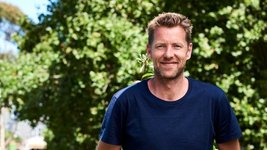
Saved by Briggs Uhler
Joost Bakker on why zero-waste living is the future
The regenerative model is based on the idea that humans, as the dominant force on the planet, learn to be more like the non-human nature systems, learning from the wisdom of life and applying these ideas to the practices of cultural change. A critical principle of life is there is no such thing as waste in nature; everything is broken down and... See more
Leyla Acaroglu • Should we ditch sustainability?
- Might a circular economy afford new ways of collaborating, sharing and commoning resources?
- What would everyday life be like within a truly circular economy?
- What are some of the design challenges in transitioning from a linear economy to a circular economy?
Designing for Transitions – Transition Design Seminar CMU
The Circular Economy—Designing for longevity and reuse of materials beyond the first use
Damien Lutz • The life-centred design compass
This creative accounting suggests that wasting less food would somehow undo all of the harms of food production. But the nutrient cycle does not care whether or not you clean your plate. All the environmental impacts that brought that meal into being are done deals; in the parlance of introductory economics, they are “sunk costs.” In focusing so... See more
Austin Bryniarski • The war on food waste is a waste of time