Jan Vorisek’s Devotion Strategy
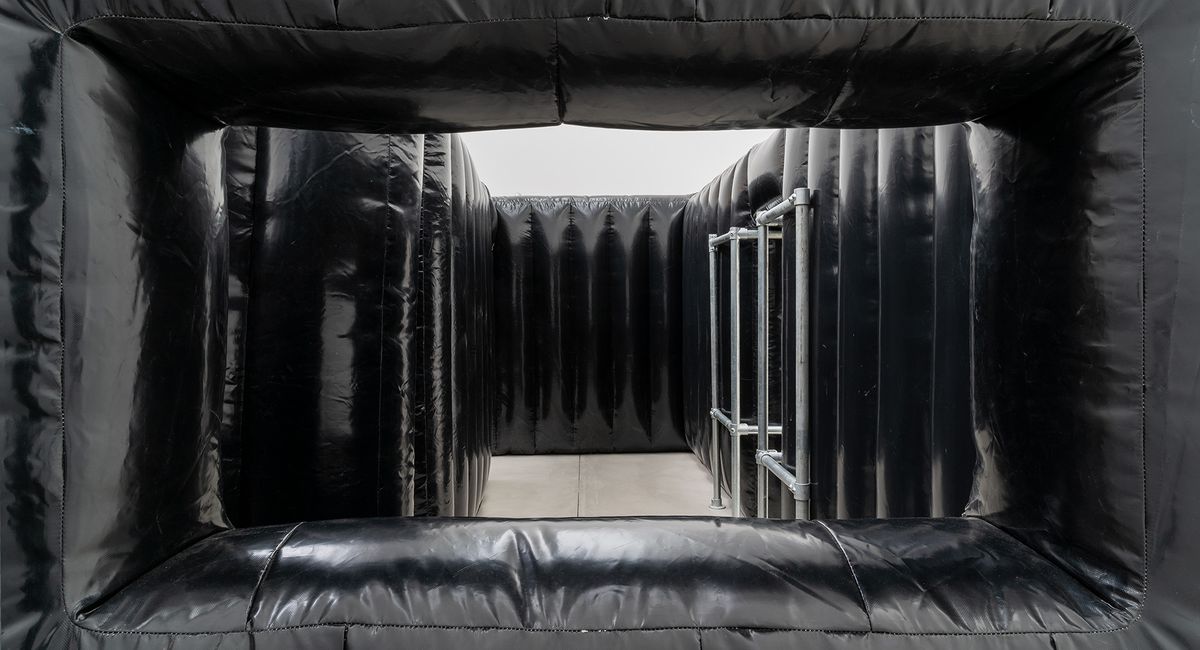
Art can be an emotional trigger for larger and deeper dialogues. It can blur the boundaries between things, the boundaries between us and the boundaries between the world and self. Still we rarely see art and economy as subjects deeply unified in the same study or mechanism.
Jenny Grettve • economicspaces
Murakami points out that his transformation partly the result of Japan's long recession. The bubble burst in the early '90s, creating a generation that faced a level of economic uncertainty unknown since the '50s. Murakami feels that Japan's long celebration of consumerism has turned to critique.
"The Japanese people get fed TV and media for 24... See more
"The Japanese people get fed TV and media for 24... See more
artnet.com Magazine Features - Superflat
Authenticity, in this context, was framed as a marker of resistance to mass production and capitalist exploitation.
However, as Hal Foster critiques in The Return of the Real , the avant-garde’s resistance to commodification was always fraught with contradictions. He writes, “The avant-garde, despite its radical aspirations, is ultimately entangled... See more
However, as Hal Foster critiques in The Return of the Real , the avant-garde’s resistance to commodification was always fraught with contradictions. He writes, “The avant-garde, despite its radical aspirations, is ultimately entangled... See more